Read More


Tesla's China-made EV sales rise 8.7 percent in March
02-04-2026 17:55 HKT
Hang Seng Index falls 177 points on Thursday
02-04-2026 16:55 HKT

Taxi e-payment ‘3pc fee’ notices spark debate on rollout day
02-04-2026 12:42 HKT


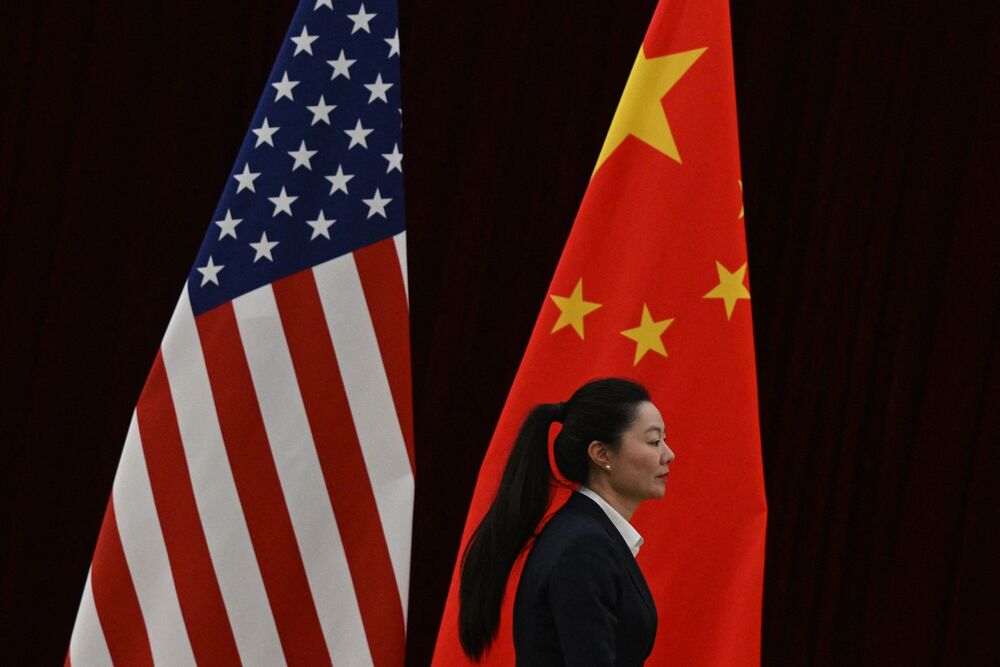
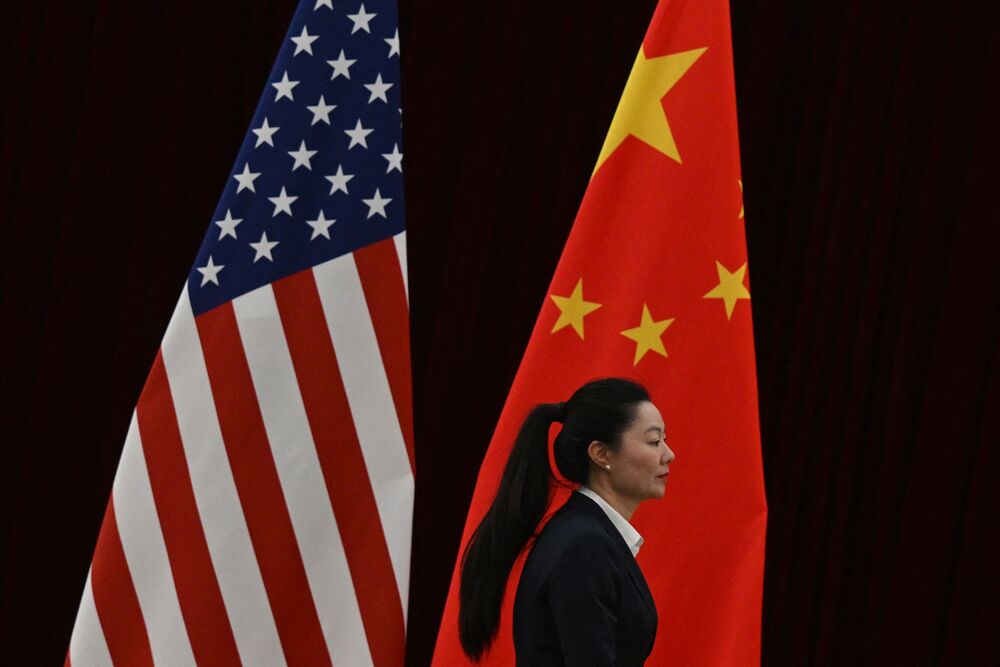
China imposed tariffs as high as 15 percent on US goods and banned exports to some defense companies in retaliation for the Trump administration’s new levy, escalating a trade war between the world’s two largest economies.
Beijing said it would charge new duties on American food and agricultural products including chicken and cotton after the US doubled a tariff on all Chinese exports on Tuesday. Soybeans, beef and fruits are among products facing a 10 percent tariff, according to an announcement by the Ministry of Finance.
“The measures are still relatively measured for now,” said Lynn Song, chief economist for Greater China at ING Bank. “I think this retaliation shows China remains patient and has refrained from ‘flipping the table’ so to speak despite the recent escalation.”
Financial markets largely took the moment the tariffs on China, Canada and Mexico came into effect in stride — with Chinese stocks even climbing intraday. In the run-up to the deadline, though, US equities tumbled the most this year, while Treasury note yields fell to the lowest in four months and oil dropped to a three-month low.
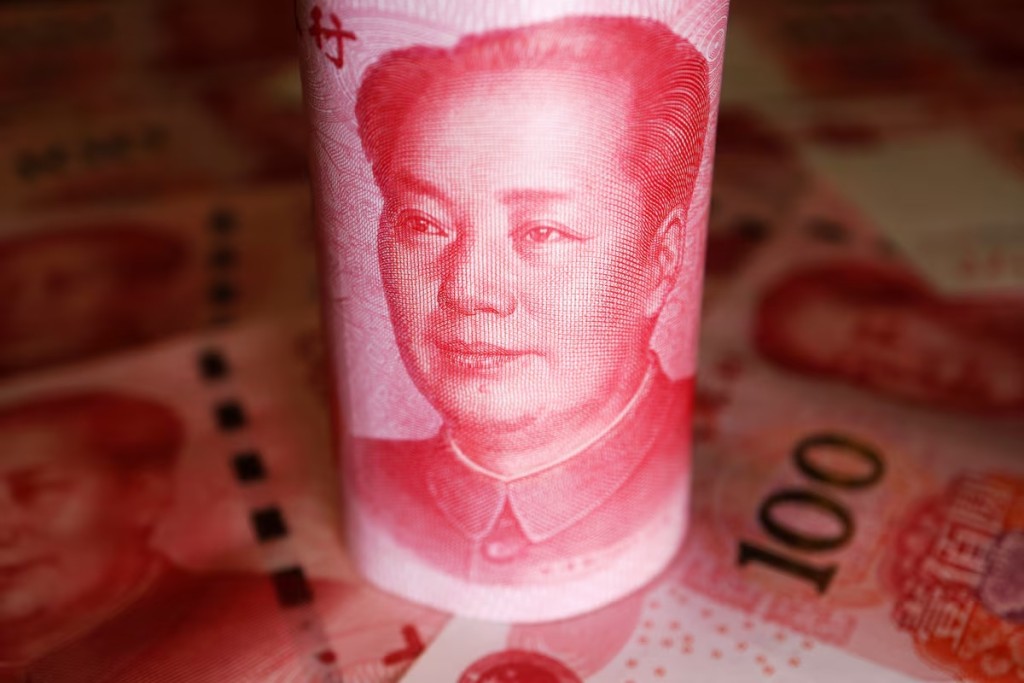
The Chinese yuan traded steady. The currency rose 0.3 percent to 7.2828 per dollar in the offshore market, gaining 0.1 percent onshore.
The Chinese government hit back hours after President Donald Trump signed an executive order for the hike to 20 percent, saying China had done too little to stop the flow of illicit fentanyl into the US.
“The US’s unilateral tariff increase damages the multilateral trading system, increases the burden on US companies and consumers, and undermines the foundation of economic and trade cooperation between China and the US,” the Ministry of Finance said in a statement.
The Chinese tariffs, effective March 10, affect some of the most important US agriculture exports to China, and come as American farmers are weeks away from planting crops for the coming season.
During the first trade war, Beijing imposed hefty tariffs on key US farm products, causing sales of American soybeans to China to plunge almost 80 percent over a two-year period. The Asian nation has since moved to buy more from Brazil.
The Chinese Ministry of Commerce said it would put 10 American companies on an unreliable entity list, mainly involved in defense work. It also added 15 firms, including defense contractors General Dynamics Land Systems and Skydio Inc., to an export control list.
The measure to prevent shipments to those companies is a relatively new step by China and comes after they banned the sale of dual-use goods to the US military in December. At that time they also banned the export of some dual-use metals such as gallium and germanium to all US entities.
China also announced it would open a complaint against the US for its latest tariff measures under the World Trade Organization, according to a separate statement.
The latest trade salvos came a day before President Xi Jinping heads into the party’s biggest political meeting of this year, the National People’s Congress, where his lieutenants will unveil their economic blueprint for 2025.
Chinese policymakers are expected to boost domestic consumption to offset expected losses to its exports, which contributed nearly a third of the economy’s growth last year.
“China will continue to boost domestic demand and try to diversify export destinations,” said Zhaopeng Xing, a senior strategist at Australia & New Zealand Banking Group Ltd, who called the retaliation “mild.”
Trump has signaled a desire to speak with Xi, but they have yet to talk a month after the US president raised the possibility of a call to negotiate a deal.
China responded to the earlier 10 percent tariff with import taxes on some US goods and action against American firms including gene sequencing company Illumina Inc. These moves appeared calibrated to avoid major blowback on the Chinese economy while showing Trump an ability to disrupt the supply of key minerals and hurt US companies.
Bloomberg