Read More















"Visual effects" is often associated with terms like "post-production" or "animation" by many people. However, Daniel Seah, the CEO of Digital Domain, a globally renowned visual effects production company, emphasizes that the scope of visual effects goes beyond just post-production. It encompasses the entire filmmaking process, including pre-production, production, and post-production phases. For instance, upon receiving a script, Digital Domain begins by creating storyboards, film previews, and animatics to assist the director even before the actual filming commences. This involvement continues throughout the production process and extends into post-production after the completion of shooting.
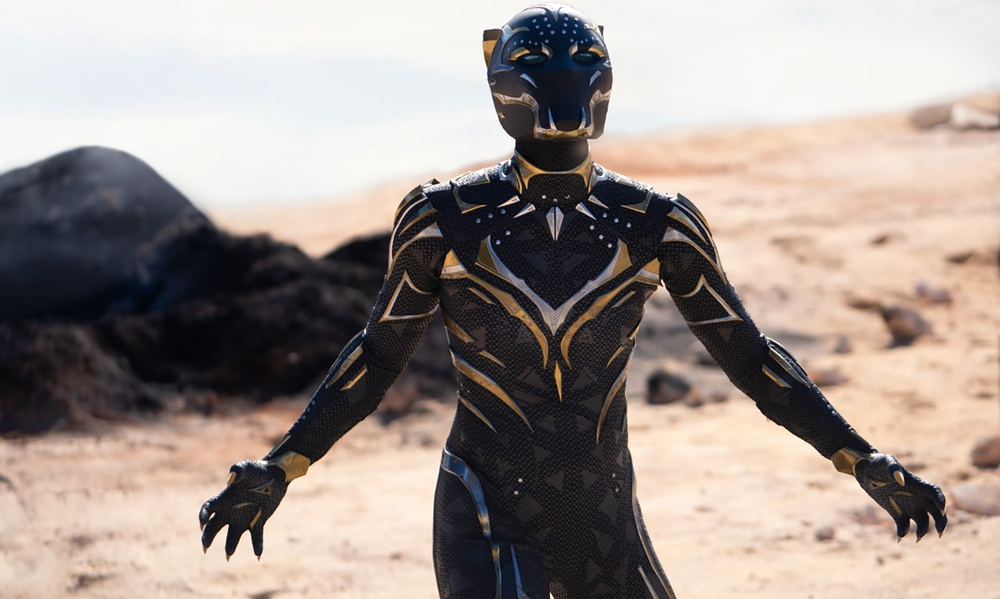
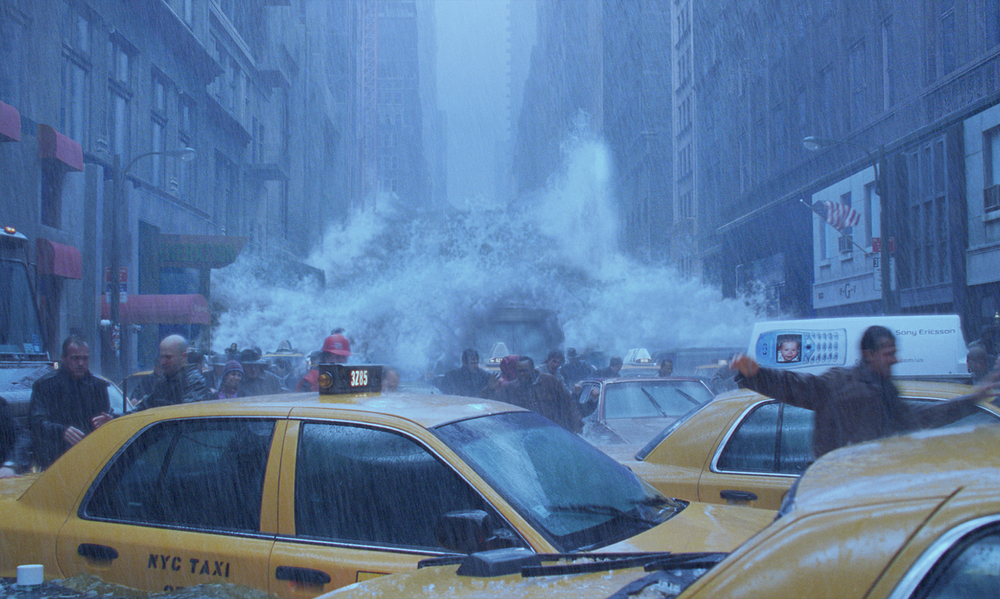
Digital Domain, headquartered in Hong Kong, has had the privilege of being part of several Marvel productions in recent years. Daniel Seah humorously mentions that the company is proud to have "destroyed the world" on nine different occasions, referring to the spectacular visual effects they have contributed to these films. He explains that when Digital Domain was established in 1993, visual effects typically accounted for approximately 20% of a film's total budget. However, in today's landscape, exemplified by movies like "The Avengers" and other large-scale productions, the visual effects budget often exceeds half of the total budget. This underscores the growing significance of visual effects in the film industry.
Chinese Films' Visual Effects Comparable to the West, Constrained by the Market
When addressing the question of why the level of visual effects in China and Asia may appear to lag behind that of the West, Daniel Seah emphasizes that the capabilities of the former are, in fact, on par with anywhere in the world and even exhibit signs of surpassing others in terms of creativity. However, he identifies a key challenge: Asian filmmakers often allocate the majority of their budgets to actors, leaving visual effects professionals with limited resources and, consequently, struggling to deliver optimal quality. With most projects operating on limited and small amount of budget, the resulting impact on visual effects quality becomes evident.
Seah draws attention to the Marvel franchise as an example of how successful Western studios have approached casting. In the case of iconic roles like Iron Man, Thor, or Spider-Man, the actors chosen were not necessarily superstars at the time. Instead, Marvel leveraged its intellectual property (IP) and compelling storytelling to drive box office success and elevate the actors' careers. Such examples are relatively rare in the Asian market, where budget allocation tends to prioritize established stars.
Despite these challenges, Digital Domain, as a company rooted in Hong Kong, remains dedicated to the development of the Greater China market and has produced remarkable works in the Asian film industry in recent years. However, the decreasing number of international co-productions, particularly Sino-American collaborations, combined with a slowdown in the trend of globalizing films, has led to a fragmented development of visual effects. This situation hinders the progress of visual effects in the region.
Impact of Artificial Intelligence Development on the Film Visual Effects Market
Artificial intelligence (AI) has made remarkable advancements in recent years, profoundly impacting various industries, including the film visual effects sector. The advantages of AI in this field outweigh the potential drawbacks. Visual effects production heavily relies on data, and AI technology excels at efficiently processing vast amounts of data to generate images and videos within remarkably short time frames.
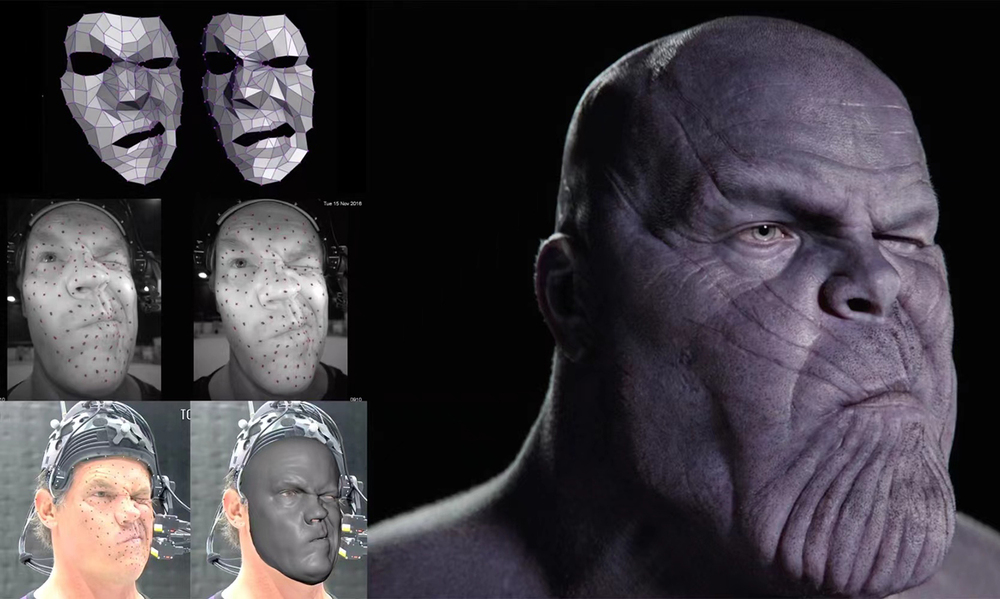
Daniel Seah, CEO of Digital Domain, highlights the transformative power of AI by citing an example from the production of "The Curious Case of Benjamin Button." In that film, creating scenes depicting the main character's appearance as a 90-year-old required six months of dedicated effort and a substantial budget. However, current technology enables the instant generation of virtual humans, potentially eliminating the need for human actors altogether.
While the idea of "actors not needing to act" has sparked ethical debates, it became a lifesaver for the film industry during the COVID-19 pandemic. It allowed productions to continue even during periods of epidemic prevention and isolation. Nonetheless, challenges arise once the pandemic subsides, such as the potential unemployment of many film industry professionals and issues related to image rights. For example, if technology allows older-generation movie stars to maintain their youthful appearance on screen, how can young actors find opportunities? Additionally, the ability to digitally resurrect deceased actors raises numerous ethical dilemmas.
However, Daniel Seah believes that the combination of virtual humans and AI will create revolutionary business opportunities. Imagine Siri or ChatGPT appearing in customized human-like appearances, enabling conversations with beloved celebrities or deceased loved ones. This groundbreaking technological advancement opens up new possibilities for interactive experiences.