The government should make optimal use of green belt sites as 10 percent of such land can build 1.2 million public housing units, developer Sun Hung Kai Properties suggested.
It was among the six suggestions made by the developer on easing the city’s land and housing problem.
The property giant said Hong Kong does not have insufficient land, but the government should release those land from red tapes that are affecting the land and housing supply.
It therefore proposed the government to make good use of the green belt’s potential, and review the green belt areas, especially those owned by the government.
“Some of those green belt areas can be repurposed to build subsidized housing including Starter Homes to help middle class families purchase a property,” it proposed.
The property giant also said releasing 10 percent of the green belt area already means 1,600 hectares of land.
Given the development density in recent new development areas, where 750 flats can be built per hectare, 1,600 hectares of land would mean 1.2 million public housing units, which would already mean 1.2 million in public housing flats, according to Sun Hung Kai.
“If the government releases 25 percent, or 4,000 hectares, of the green belt area, it already means increasing the area for residential use in Hong Kong by 50 percent,” it added.
The developer also said the government had not reviewed wetland conservation policies for over 20 years, and the government back then simply marked all land 500 meters from the wetland conservation areas as wetland buffer areas.
“The planning was very arbitrary, while the boundary for the wetland buffer areas in the Town Planning Board Guidelines and Environmental Impact Assessment Ordinance are different, which leads to much of the land being frozen,” it wrote.
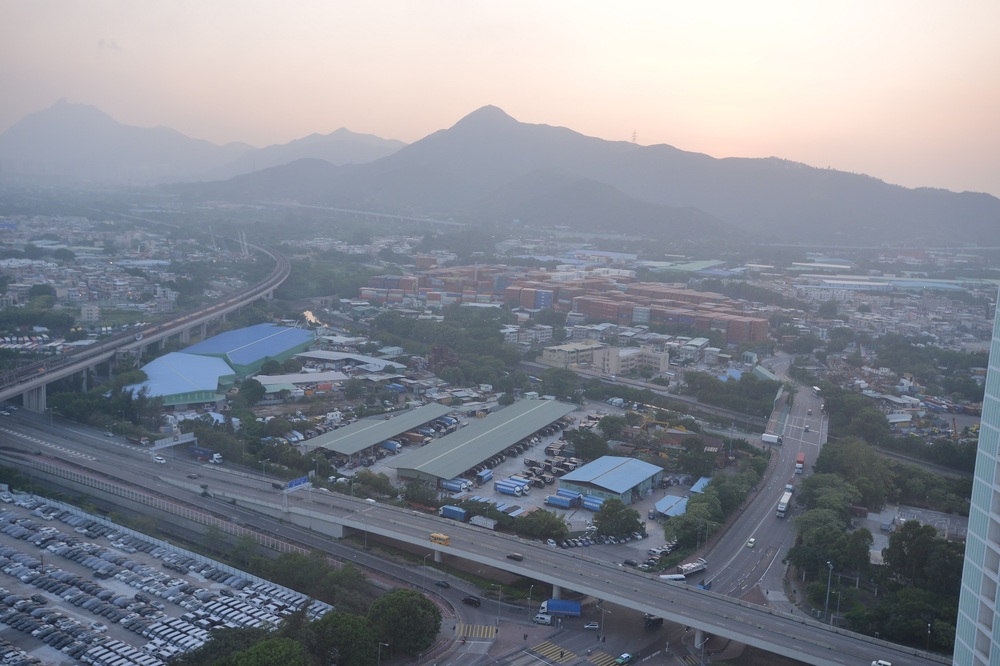
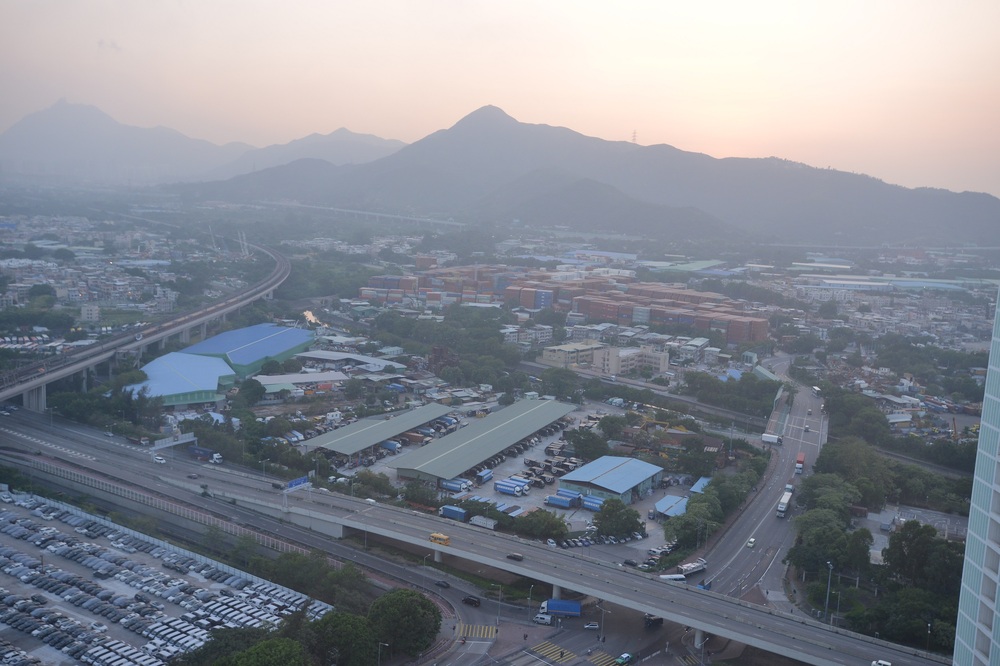
Sun Hung Kai also said many fish ponds in the wetland conservation area and wetland buffer area have been infested with sewage, weeds and even invasive plants, making people question the ecological value of the areas.
Many ponds in the wetland buffer area were even filled with concrete and now became warehouses, and the environment there is getting worse as the areas were used for storage, it said.
The company hopes the government could fix the wetland planning guidelines as soon as possible to achieve a win-win situation of “conservation and development”.