The operator of the Muji chain of furniture and lifestyle stores became the latest company to be embroiled in the controversy over Xinjiang cotton, after it issued a statement saying it was “deeply concerned” about reports of human rights abuses in the region, Bloomberg reports.
It joins the likes of Hennes & Mauritz AB and Nike Inc., whose shares have taken a hit after facing calls to boycott their products from Chinese users online due to their stance on forced labor in the region.
Shares in Ryohin Keikaku Company which operates Muji and advertises items using Xinjiang cotton, fell by 6.8 percent in Tokyo, the most since July. It said it had vetted its supply chain and would continue to monitor compliance with law.
The statement “at this stage of the evolving saga puts the company in a similar position as H&M and Nike,” said Bloomberg Intelligence analyst Catherine Lim. “This may subject the company/Muji-brand to criticisms from Internet users in China and result in calls for boycotts.”
Ryohin Keikaku said it sourced cotton from many countries including China, but that it “thoroughly enforced compliance so as not to be directly or indirectly involved in transactions prohibited by law.”
In the e-mailed statement, the company said an independent audit of plants in its supply chain in Xinjiang found “there is no significant issue identified except for those issues that can be corrected by farms or ginning factories taking actions on their own to make immediate improvements.”
Muji uses cotton from Xinjiang in some products, according to the Communist Party-backed Global Times, which cited a company representative. Kyodo News reported in February that the company was one of 12 major Japanese companies that had decided to cease doing business with Chinese companies using forced labor in Xinjiang.
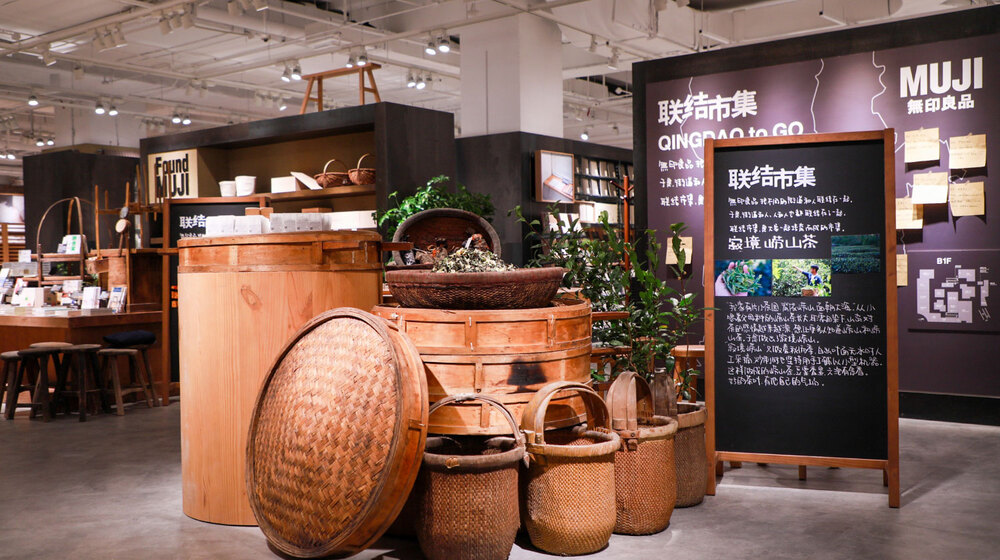
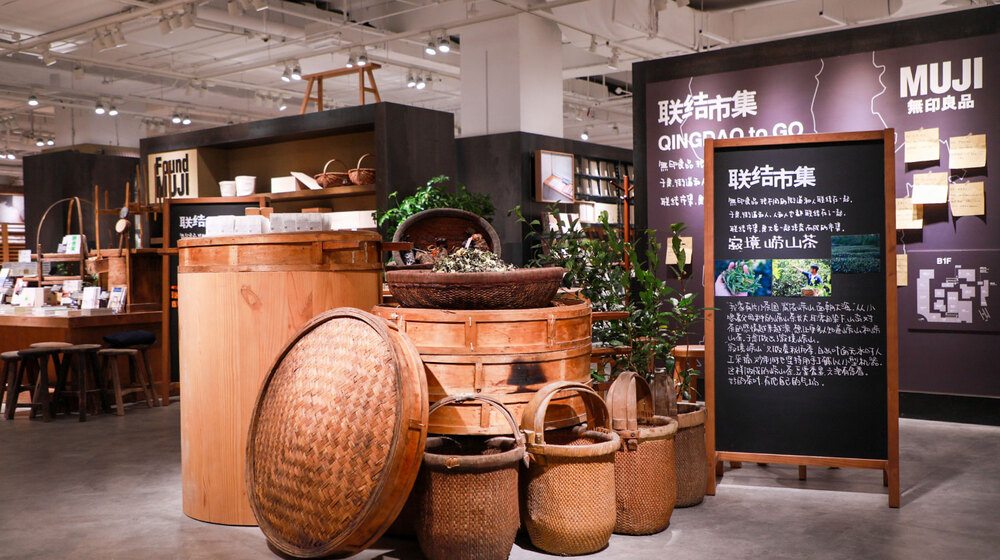
Muji's sixth flagship store in China – Muji Qingdao Inzone Plaza.