Read More




Hong Kong shares rise at open
1 hour ago






Mother and daughter die in successive falls from same Tai Koo Shing block
11-06-2026 00:05 HKT

100 y/o biologist David Attenborough shares 4 longevity habits
07-06-2026 12:00 HKT
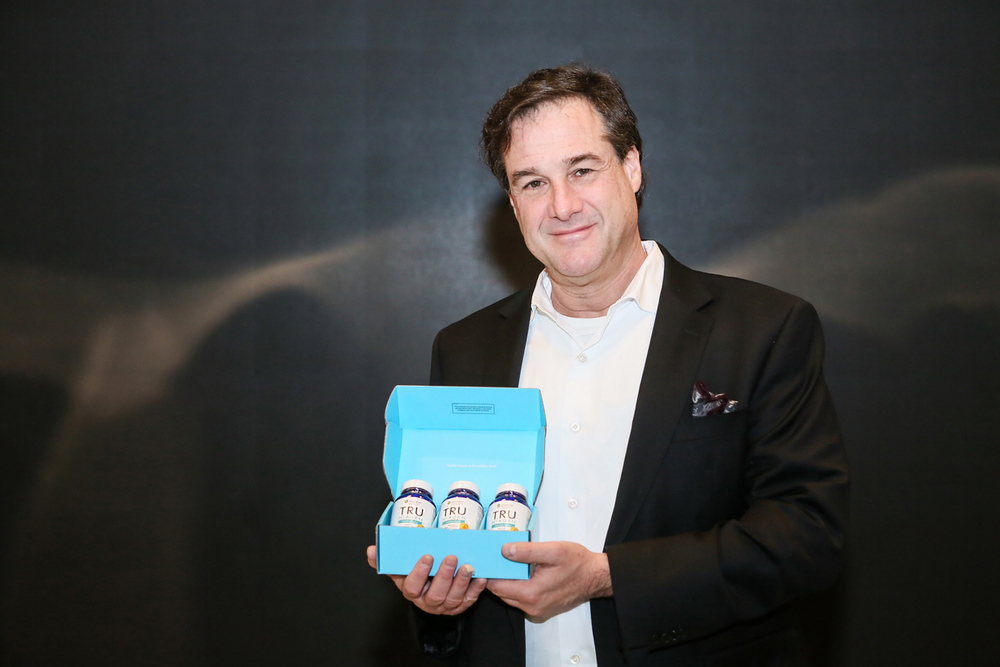
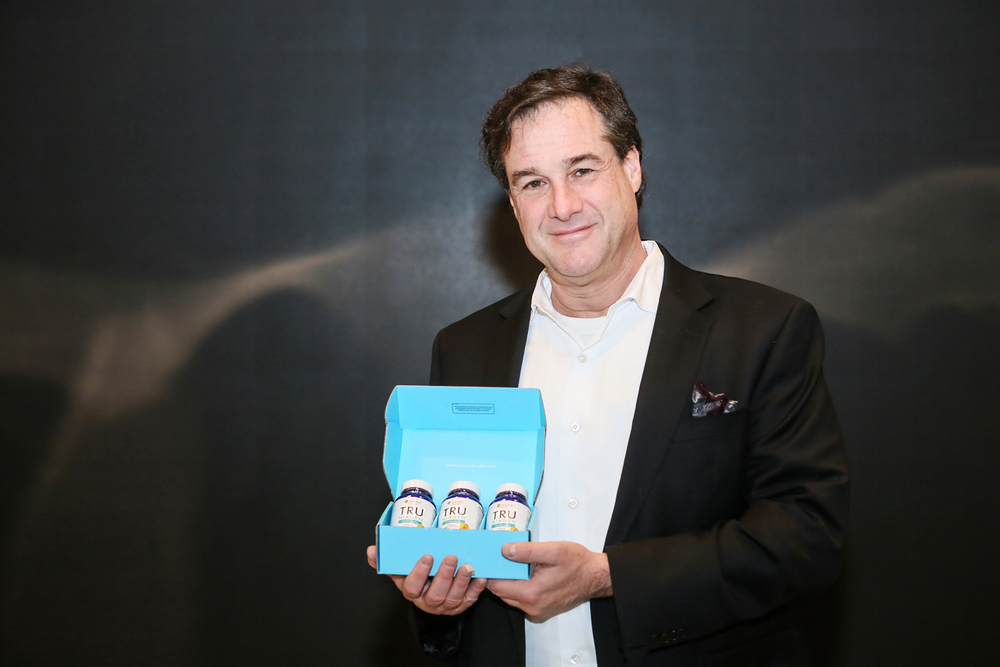
ChromaDex, a Nasdaq-listed nutritional supplements company backed by tycoon Li Ka-shing, is eying further opportunities in mainland China's growing anti-aging product market.
Li has invested US$25 million (HK$195 million) in the Los Angeles-based company through his private investment vehicle Horizons Ventures in April 2017 and has become the largest shareholder.
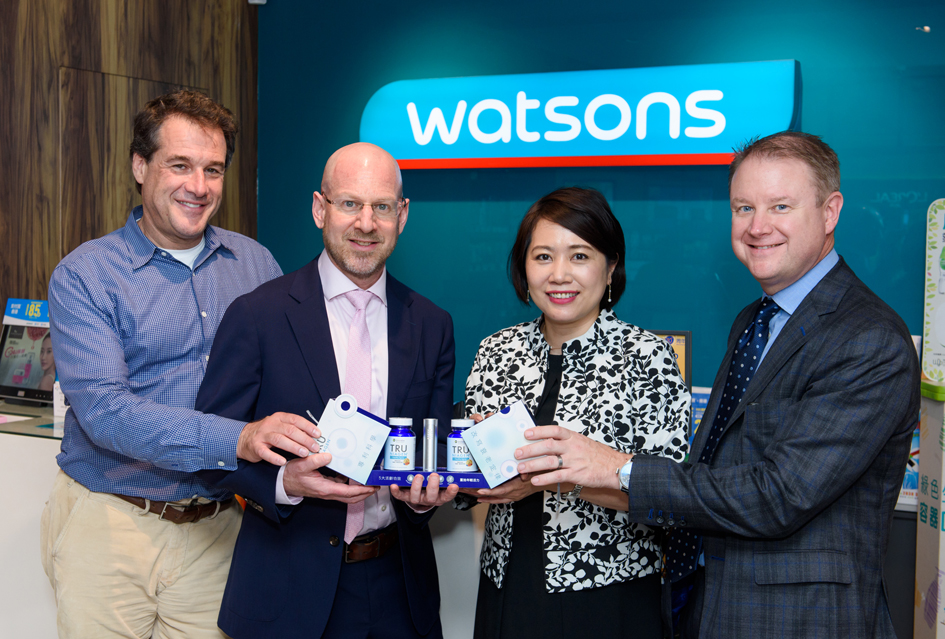
Watsons, the beauty and health retailer under Li controlled CK Hutchison (0001), launched Tru Niagen, the flagship product of ChromaDex, in Hong Kong through its retail chain in September 2017.
ChromaDex had steady growth in sales in the Hong Kong market, as more Hongkongers are willing to pay to stay young. That is also a broader global trend: the global anti-aging market is projected to reach US$274.29 billion by 2024, representing a compound annual growth rate of 7.9 percent from 2018 to 2024, according to a report published by BlueWeave Consulting.
The Hong Kong market contributed US$2.3 million in sales to the ChromaDex, accounting for nearly 20 percent of total sales in the third quarter last year, Rob Fried, chief executive of ChromaDex says.
"What we are seeing in Hong Kong is similar to what we see in the United States which is people repeat," he says, "the majority of our sales are repeat customers."
But sales growth might be limited given the small population in the city. The company also sees potential for offering additional products in the local market and elsewhere including Taiwan and mainland China, he says.
Fried says the company is aware that people are purchasing products in Hong Kong, or elsewhere and taking them into mainland China.
The company opened a cross-border online store in Taobao's Tmall platform last year with plans to open new stores on other shopping websites.
ChromaDex is only allowed to sell its products through cross-border platforms to individuals with limited volume in mainland China, as it has not yet got approval from the National Medical Products Administration.
The NMPA only recently established their guidelines for receiving new ingredient approval, Fried says. The company hopes to submit an application shortly and is meeting with various companies, including Watsons, to help it manage the mainland China business.
ChromaDex says Tru Niagen contains patented ingredient nicotinamide riboside (NR), an alternative form of vitamin B3 that can increase the level of nicotinamide adenine dinucleotide (NAD) in the body. NAD is an important coenzyme that regulates various metabolic pathways.
The so-called NAD boosters have become popular in the dietary supplement market.
"NAD declines are associated with virtually every metabolic disorder that we connect with growing old," Fried says.
NAD declines also happen when people are under physiological stress and exposed to radiation, or when they drink too much alcohol and fail to get enough sleep, he says. "These are the most important times when we need to replenish NAD."
Over 150 scientific articles have been published on NR and its benefits since its discovery as a NAD booster in 2004, according to ChromaDex's website. It says Tru Niagen can increase NAD by 40-50 percent after eight weeks.
In the Watsons' website, the advertisement for Tru Niagen says the product can offer health benefits in five areas - stabilizing blood food sugar and blood lipids, anti-aging, revitalizing, improving memory and concentration, as well as stimulating brain cells activities.
However, the NAD booster business and some scientists also have drawn criticisms.
Although Tru Niagen has received approval from the US Food and Drug Administration, the regulator does not require dietary supplements to undergo the same testing of safety and effectiveness as drugs.
Another controversial area is lacking evidence from human clinical trials.
Most of the studies only show NAD has anti-aging effects for mice and yeast.
In addition, most of the related researches are funded by supplements makers, which might lead to a conflict of interest.
Fried says there are published human clinical studies that show that Tru Niagen increases NAD, about 46 clinical trials are done on NR, six of which have already been published.
"But one of the reasons that we have such outstanding data on mice and rats on all of these disease states, and not yet on humans is because you can give the mouse NR for one-third of their life and you can also control all the other inputs in their life."
However, "[it's] very, very difficult to do this in humans, especially when the study only is two-month long, or in some cases three-week long," he says.
ChromaDex is still unprofitable. The Nasdaq-listed company reported a net loss of US$7.2 million in the third quarter last year.
Fried says the company does not have a date to achieve break-even.
"We are just asking people to look at our revenue growth, our earnings, our adjusted EBITDA without litigation expense," he says. ChromaDex is proceeding with the patent infringement action against its rival Elysium Health. "[The legal cost] has been expensive, until that litigation goes away, it's going to be difficult for us to be profitable. But we will get there, brick by brick, step by step," he says.