Read More

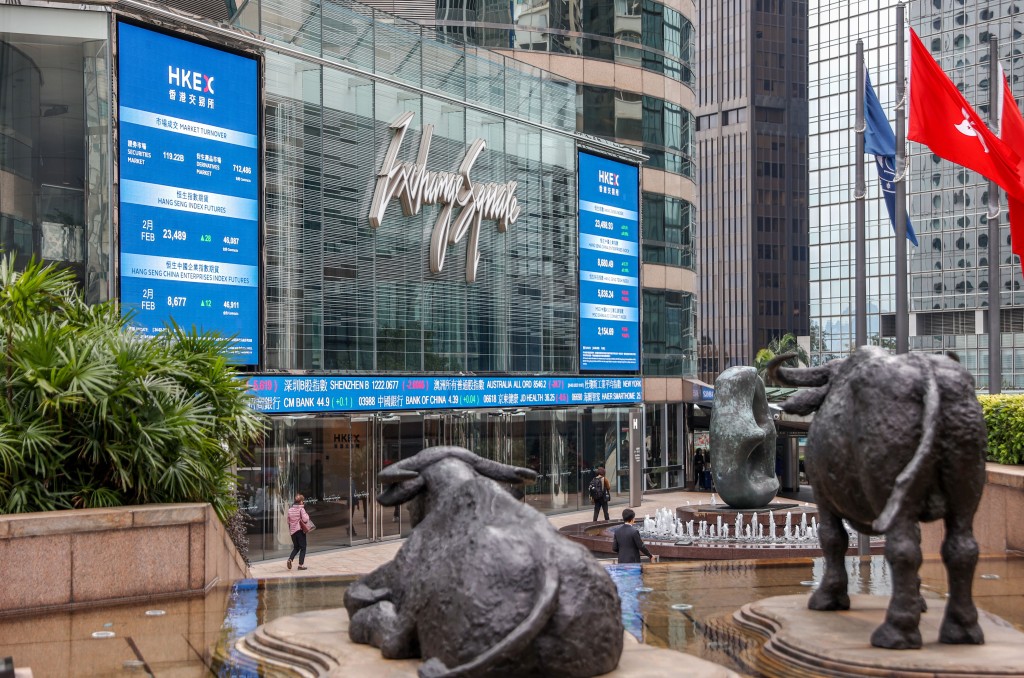
Hong Kong shares rise at open
1 hour ago

Mother and daughter die in successive falls from same Tai Koo Shing block
11-06-2026 00:05 HKT

100 y/o biologist David Attenborough shares 4 longevity habits
07-06-2026 12:00 HKT


Apple has blocked updates on tens of thousands of revenue-generating iPhone games on its App Store in China amid rising tensions between Washington and Beijing, according to a report from The Financial Times.
The U.S. tech giant told developers Wednesday that they now need to get the necessary permissions from the Chinese authorities if they want to upload certain games to the App Store in China.
There are currently around 60,000 mobile games hosted on the China App Store that are paid for or have in-app purchases, according to AppinChina figures cited by the FT. However, China’s regulators have only issued slightly more than 43,000 licenses since 2010, while just 1,570 were given out in 2019. As a result, there are thousands of games that do not comply with the new rules.
Developers were told in February that they’d finally have to comply with China’s mobile video game laws by June 30.
China introduced regulations in 2016 that require mobile game makers to get a license from the country’s slow-moving regulators if they wish to have in-app purchases or charge for their content. However, Apple allowed developers to upload their mobile games to the App Store without the necessary permissions while they were awaiting authorization from the country’s regulators. Developers like “Grand Theft Auto” maker Rockstar Games relied on the loophole for years.
China is the world’s largest gaming market and a highly lucrative country for Apple. This year, market research firm Newzoo, expects iOS to generate 53% of total mobile game revenue in China which is around US$13 billion. Indeed, the App Store generates more revenue in China than it does in any other country, with the majority of it coming from gaming. Sensor Tower data suggests that sales on the China App Store are US$16.4 billion a year, versus US$15.4 billion a year in the U.S.