Read More


Hang Seng HK-US TECH Index to add SpaceX
16 hours ago

Nine-day rainy spell to hit HK with heavy showers and thunderstorms expected
11-06-2026 22:45 HKT


ICC chief hails Hong Kong as dispute resolution hub
08-06-2026 07:20 HKT
China's tech industry enters a new year after weathering unprecedented turbulence in 2019, when giants emerged in social media and artificial intelligence only to bear the brunt of Washington's campaign to contain the world's No. 2 economy.
There's little reason to think 2020 will be much different given US efforts to hobble Chinese champions from Huawei Technologies to SenseTime Group deemed a threat to national security.
American lawmakers went after some of the country's biggest names last year. Foremost among them were smartphone and networking titan Huawei and ByteDance, the Chinese wunderkind that in the span of a few years overturned social media entertainment and drew a billion-plus mostly younger US users to its online video app TikTok. The heightened scrutiny came just as pressure back home intensified.
Beijing sought to scrub sensitive content from ByteDance apps and Tencent's (0700) WeChat, while the economy grew at its slowest pace in decades, depressing Alibaba's (9988) e-commerce business. Investors cooled on the sector with venture capital activity halving - triggering fears the industry's heyday is over. That in turn demoralized the country's already-overworked tech professionals, who rebelled for the first time against the 70-plus hour workweeks that Alibaba-founder Jack Ma labeled the norm.
Given Washington's increasing hostility, China is now even more driven to devise alternatives to foreign technology from AI chips to blockchain solutions while propping up local champions: bad news for the likes of Qualcomm and Apple that depend on China for much of their revenue.
It's started to upend a decades-old supply chain centered around China, threatening to split the old world order in two.
Here's what happened:
A Capital Winter
The industry's woes may be best quantified by a plunge in capital flow. The amount of venture money invested plummeted by more than 50 percent to about U$50 billion (HK$390 billion) from a record U$112 billion in 2018, when it topped the United States, according to the market research firm Preqin. VC funding dropped in America too, but only slightly. China birthed only 15 unicorns, or startups worth at least U$1 billion, down from 35 the year before, according to CB Insights.
The plummet coincided with a loss of confidence in some of the industry's marquee names, exemplified by the rocky debuts of WeWork and Uber Technologies Inc. While Alibaba raised $13 billion in a milestone Hong Kong offering, smaller names like SenseTime and Full Truck Alliance struggled to raise capital. "The power of the mobile revolution is coming to an end," said Kai-Fu Lee, founder of Sinovation Ventures.
The startup and VC industry is likely headed for a shakeout. Many investments from the past bubbly years aren't panning out, with startups struggling to live up to their valuations. Fundraising by China-focused venture firms fell by about 50 percent to about US$13 billion, according to Preqin.
James Hull, a Beijing-based analyst and portfolio manager, said there's a sense that the "easy stuff" in China's internet startup scene is done.
Down But Not Out
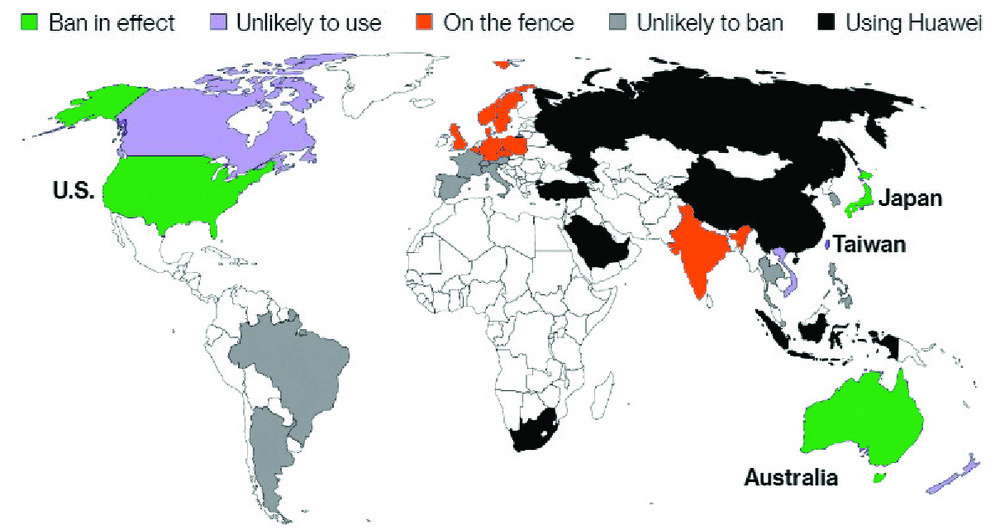
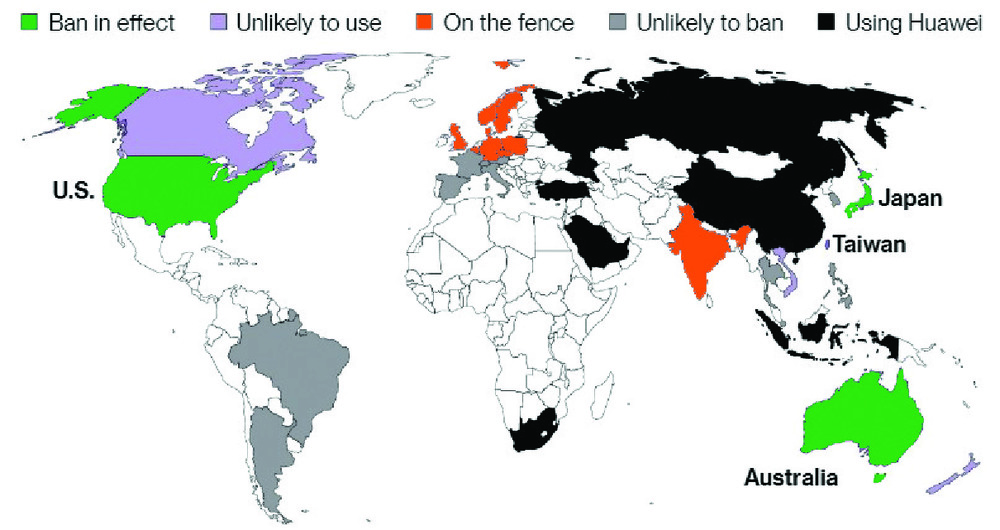
The year kicked off with Huawei chief financial officer Meng Wanzhou under home arrest in Vancouver, fighting extradition to the United States. Then the Trump administration tightened its grip in May, banning Huawei from buying some components and software from American tech giants including Intel and Google. Throughout 2019, Washington pushed allies to pass on purchasing Huawei-made fifth-generation telecom gear, accusing the company of aiding Chinese espionage. Huawei's disputed such claims but that didn't stop Japan, Australia and New Zealand from blocking Huawei from 5G projects.
The immediate repercussions lie with its smartphone business. New Huawei models in overseas markets will be devoid of must-have Android apps like Google Maps and Gmail. In response, Huawei stepped up efforts to become more self-reliant, mobilizing its 190,000 employees to develop in-house alternatives and unveiling a potential Android surrogate dubbed Harmony OS. Huawei may have survived the first wave but it's likely that the real pain will come in 2020.
Stars Are Born
China's tech boom over the past decade birthed twin giants Alibaba and Tencent, a duo that effectively controls almost every aspect of the country's internet through their sprawling business empires and vast investment portfolios. But from 2019, a new generation of tech darlings rose to the fore and now challenge their forebears. Foremost among them is ByteDance, the world's most valuable startup. After its first breakout hit, news app Toutiao, the Chinese company is rocking youths the world over with TikTok, an app known for everything from teenage twerking to singing gummy bears. It's been downloaded about 1.45 billion times since launching, but has become a lightning rod for criticism as tensions rise between the US and China. From Facebook chief Mark Zuckerberg to a growing coterie of lawmakers, prominent Americans warn that user data may wind up in Chinese government hands. ByteDance has repeatedly denied that could happen.
The year will see ByteDance try to extend its tentacles into a panoply of fields. It's testing a paid music app in emerging markets to challenge the likes of Apple Music and Spotify. It's looking to make video games to tackle Tencent on its home turf. Other rising contenders include Tencent-backed super app Meituan and AI leader SenseTime.
Meituan, which displaced Baidu as China's third most valuable tech firm last year, will continue to battle Alibaba in nascent areas from food delivery to online travel. For SenseTime and fellow domestic AI pioneers such as Megvii Technology, the challenge will be grappling with US sanctions that threaten to crimp their fledgling businesses.
Dismantling the Old World Order
China's position as factory for the world of technology is in jeopardy. The (mainly Taiwanese) assemblers of the world's electronics are exploring options beyond China. From Inventec to Foxconn Technology Group and Quanta Computer, the makers of everything from iPhones to Dell laptops have either moved production back to Taiwan or to further-flung regions around Asia, seeking to escape US tariffs.
The idea is that, even if Washington and Beijing strike a trade deal, diversification is essential in the longer term given tensions are unlikely to subside and labor costs will rise.
Last year forced Chinese tech workers to come to terms with the new reality. Many had taken jobs with startups in the hope of cashing in when they debut or get bought. But as that deal-making streak cooled, the prospect of working long hours - 996, or 9am to 9pm, six days a week - lost much of its appeal.
One thing's clear: the Chinese tech arena, long regarded as an alternate reality to a US app-dominated world, will draw further away from its American counterpart. And some of its biggest players will seek to extend their influence overseas, as they've done from Africa to Southeast Asia.