Read More

Paper cutting craft of China and Switzerland to meet at HKU museum
09-03-2026 20:04 HKT
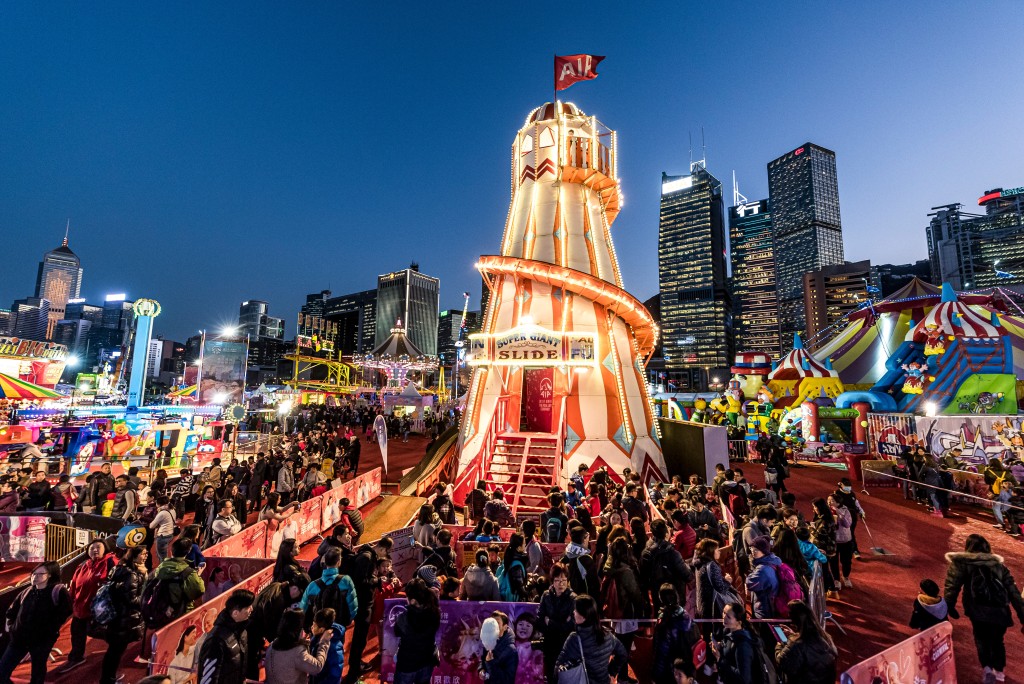
A gentle spin into the festive season
05-02-2026 16:30 HKT


Marvel at light and art installations at Light up Macao 2025
23-12-2025 09:00 HKT

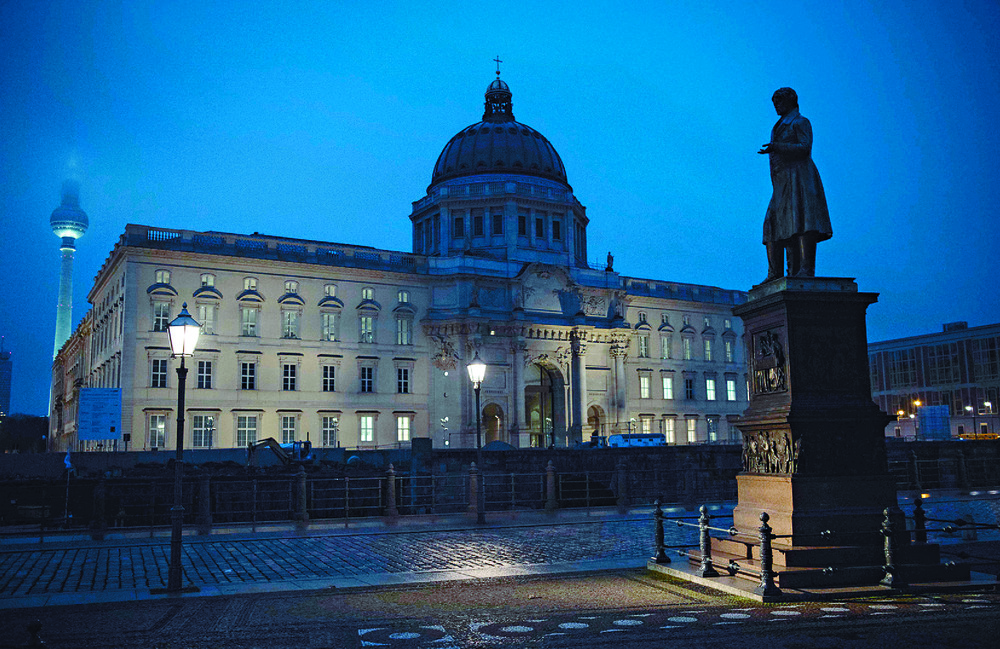
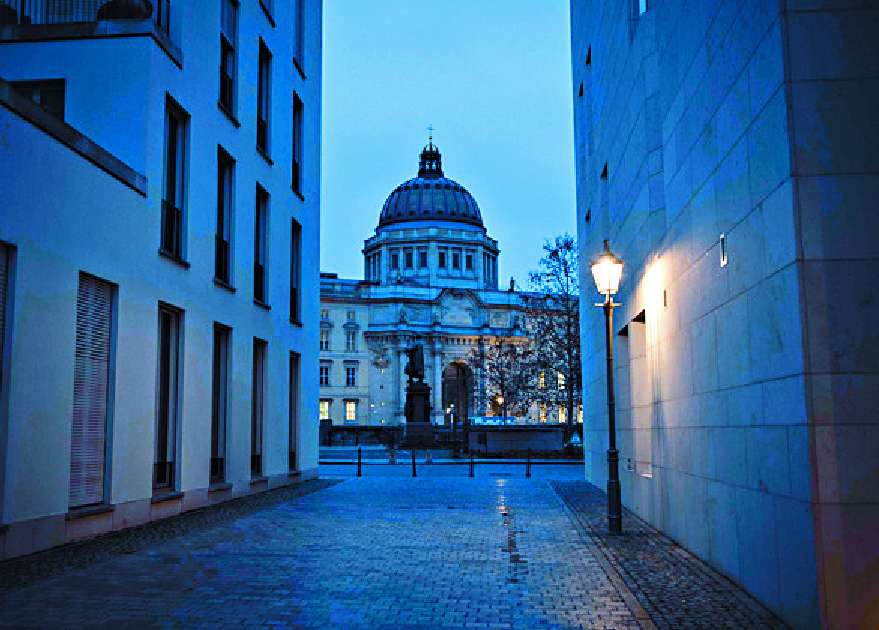
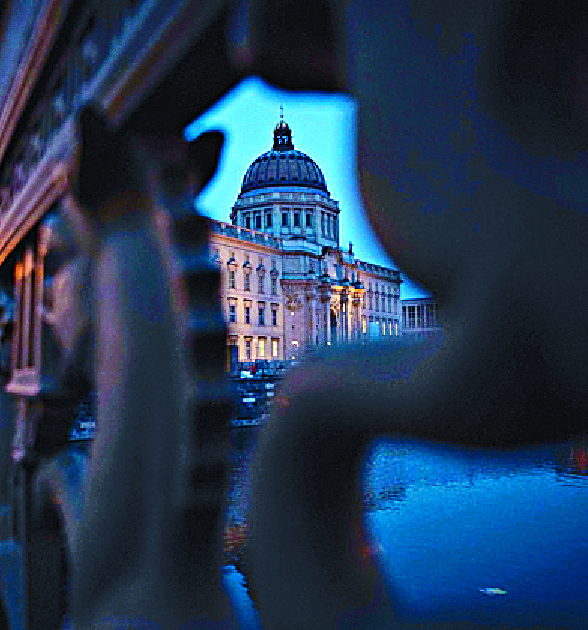
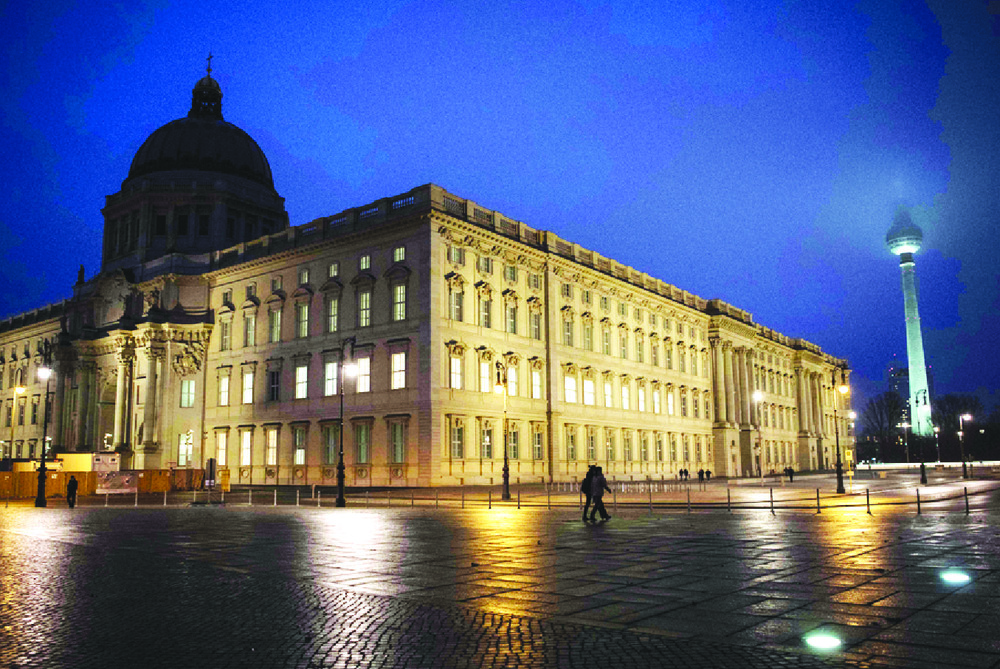
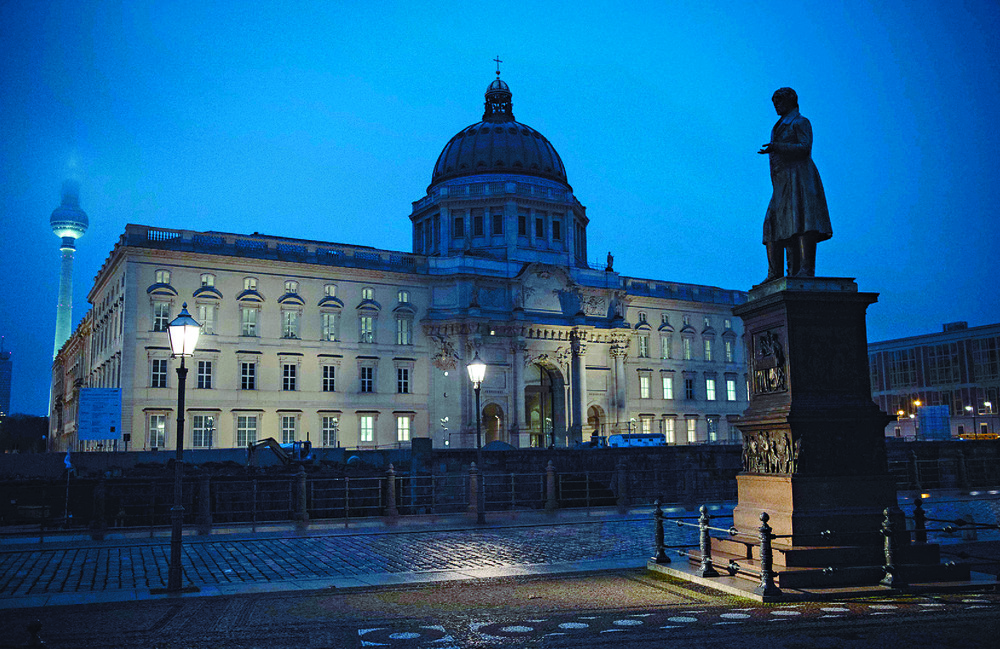
A reconstructed prussian palace has opened in Berlin as a museum complex housing colonial artifacts - just as debate is gathering pace around the return of treasures plundered from abroad.
Launched in 2013, the huge renovation project in central Berlin has been plagued by delays, controversy and spiralling costs - much like the capital's ill-fated new international airport that opened in October.
Until the fall of the German Empire at the end of World War I, the palace was the main residence of the Hohenzollerns, instigators of German colonialism.
The construction has also cost some 677 million euros (HK$6.4 billion) - almost 100 million more than originally planned.Victim of history
The original palace was a victim of Berlin's history, including World War II and the division between East and West. Partly destroyed by bombing during the war, it was then completely razed to the ground by communist East Germany after the defeat of the Nazis.It was replaced by the Palace of the Republic, an austere modernist slab with reflective orange windows that housed the regime's parliament and a cultural and leisure centre.
In the new palace designed by Italian architect Franco Stella, three-quarters of the facades are replicas of the Baroque originals.The oldest elements of these date back to the 15th century, though some parts were also built at the beginning of the 18th century.
Behind the facades, a modern building complex covering some 40,000 square metres will be dedicated to exhibitions, congresses and conferences.The resurrection of the building was the subject of fierce controversy in the 2000s as it meant the destruction of the Palace of the Republic - heavily contaminated with asbestos but dear to many East Germans who felt it symbolized part of their history and identity.
A large part of the new space will be dedicated to the collections of Berlin's Ethnological Museum and the Museum of Asian Art, which are due to fully relocate there by the end of 2021.Benin Bronzes
A week before the opening, the Nigerian ambassador to Germany, Yusuf Tuggar, called for the return to his country of the Benin Bronzes, some 180 of which are due to be exhibited in the Humboldt Forum next year.These metal plaques and sculptures that decorated the royal palace of the Kingdom of Benin between the 16th and 18th centuries are now scattered around European museums after being looted by the British at the end of the 19th century.
Tuggar said he had written "a formal letter" on behalf of his country to German culture minister Monika Gruetters and chancellor Angela Merkel, but had received no reply.A spokeswoman for the Prussian Cultural Heritage Foundation, which manages Berlin's public museums, said "no official request for repatriation has been received."
But the foundation has been in contact with the relevant authorities in Nigeria "for some time" in a bid to find ways to show the works in their country of origin, she added, highlighting that repatriation had not been excluded.Most European former colonial powers have begun a process in recent years of considering the return of looted artefacts to the former colonies, especially in Africa.
In March 2019, Germany launched a project aimed at "identifying works from the colonial context whose appropriation took place in a manner contrary to the law or ethically unjustifiable."agence france-presse