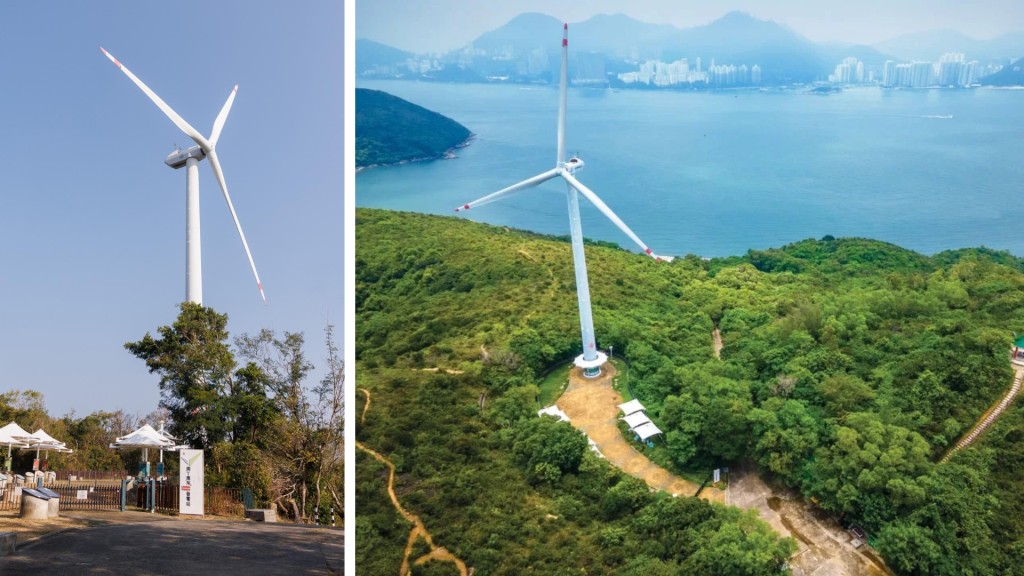
The global wind industry installed a record 165 gigawatts of new capacity last year, up 40 percent from 2024 and mostly driven by China, a report by the Global Wind Energy Council said, adding this still lagged the pace needed to hit a key climate goal.
Renewable power made up almost half the world's total electricity capacity last year. This year, oil and gas prices have soared due to conflict in the Middle East and countries are looking for alternatives to meet rising energy demand.
- The rise in wind capacity installation was driven by strong demand for new onshore wind, which rose by 42 percent to 155.3 GW, the GWEC said, while new offshore wind rose by 18 percent to 9 GW.
- Asia, led by China and India, commissioned 131 GW of new capacity, which was 80 percent of the global total. China made up the bulk of that, adding a record 120.5 GW of new wind capacity. Europe was the second-highest region for installations, commissioning 19 GW of new capacity.
- The US, despite the anti-wind rhetoric of the current administration, added nearly 7 GW of onshore wind last year.
- As a result of the new additions, cumulative global wind capacity increased to nearly 1.3 terawatts last year.
- To meet a global goal to triple renewable energy capacity by the end of the decade, the International Renewable Energy Agency has said 320 GW of new wind capacity needs to be installed every year.
- Therefore, new wind capacity needs to be doubled annually from the current level, the GWEC said.
- But under current policies, the GWEC estimates a total of 969 GW of new capacity is expected to be added worldwide by 2030, averaging 194 GW per year.
- "Under all the scenarios that stay close to the 1.5 C global warming target, wind energy volumes need to undergo a dramatic and global expansion in the next few years," it added.
Reuters