Read More





USTR seeks comment on possible US-China tariff cuts under Board of Trade
03-06-2026 11:44 HKT

Solomons PM says to review secretive security pact with China
03-06-2026 10:49 HKT
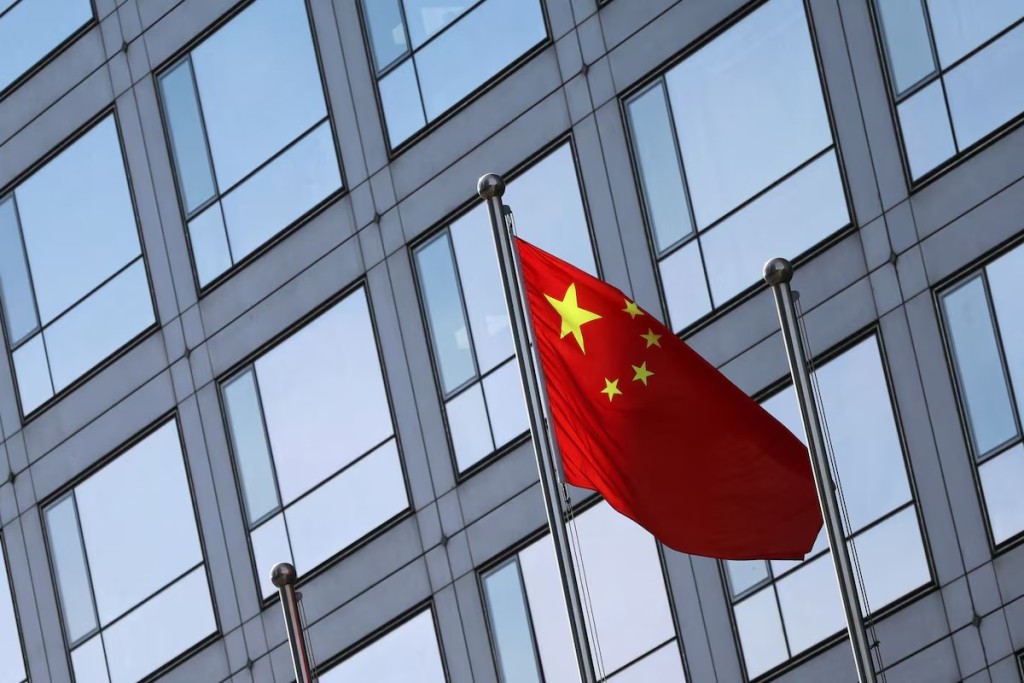


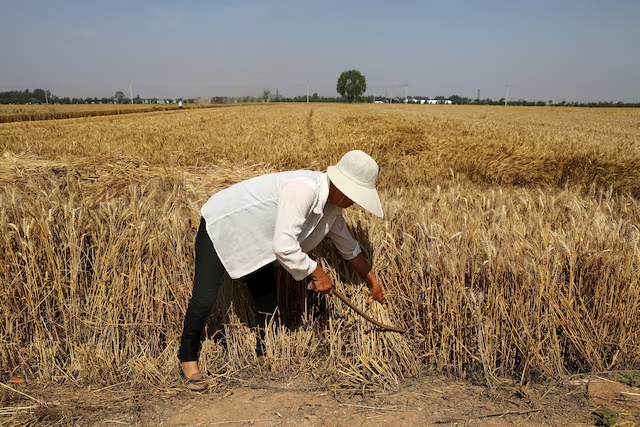
Chinese state buyers could raise wheat imports for millers later in the year as rain during the harvest has damaged some crops at the world's top grower, with up to 7% of output seeing quality downgrades, analysts said.
Even a modest increase in China's wheat imports could propel further gains in global prices Wv1, which have climbed nearly a fifth this year due to severe drought hitting the U.S. winter crop and fears that a developing El Nino will bring dryness to major agricultural regions.
Heavy and prolonged rainfall hit central Hubei and parts of Henan, China's largest wheat-producing province, in late May, just as farmers entered the harvest period. Henan accounts for more than a quarter of China's wheat output.
Four analysts estimated that excessive rainfall had caused between 4.8 million and 10 million tons of wheat to sprout - a relatively limited and manageable volume - as drier weather after the rains in major production areas helped contain the damage.
Sprouted wheat is typically unsuitable for milling into food-grade flour and is often downgraded for use as animal feed.
"This year's winter wheat crop remains on track for a larger harvest, with the volume of downgraded wheat in major producing provinces including Hubei, Henan, Anhui and Jiangsu expected to remain at a relatively low and manageable level," said Rosa Wang, an analyst from Shanghai JC Intelligence.
China, the world's biggest wheat producer and consumer, typically meets most of its requirements from domestic supplies, buying only limited quantities of top-grade grains.
In 2023, widespread rain and flooding caused severe quality losses in China and left around 20 million metric tons of sprouted wheat fit only for livestock feed, according to the U.S. Department of Agriculture.
Damage in Hubei and southern Henan is expected to boost wheat import demand, with increases usually coming after a lag, said Darin Friedrichs, co-founder of Sitonia Consulting.
"For example, there were heavy losses in 2023, but imports didn't spike higher until February 2024."
China imported 12.1 million tons of wheat in 2023, the highest level since at least 2014, and 11.18 million tons in 2024, both exceeding the country's 9.64-million-ton 1% tariff-rate quota. Imports beyond the quota face prohibitively high duties of 65%.
A large domestic harvest last year helped cut imports to 3.98 million tons.
Imports have already rebounded this year, however. China bought 2.43 million metric tons of wheat in the first four months, up 130.2% from a year earlier, partly because of a low comparison base and concerns that delayed planting could curb output.
China has yet to determine the final quality of its wheat, with only 42% of the planted area harvested so far. On Tuesday, China issued a warning over the risk of winter wheat lodging, or being flattened by strong winds, in regions including northern parts of Henan from late Tuesday through Thursday.
"There is still a risk of sprouting in northern regions. After lodging, harvesting costs increase by about 30 yuan per mu ($66.48 per hectare), further worsening farmers' losses," said Ma Wenfeng, senior analyst at Beijing Orient Agribusiness Consultancy.
Rain is expected to spread across key wheat areas from Friday to Sunday, potentially slowing harvesting and drying in parts of Hebei, Shanxi, Henan and Anhui, according to the China Meteorological Administration (CMA).
To minimise weather-related losses, authorities in nine major wheat-producing provinces have mobilised teams to speed up harvesting and grain drying operations, the state-backed People's Daily reported on Tuesday.
Reuters