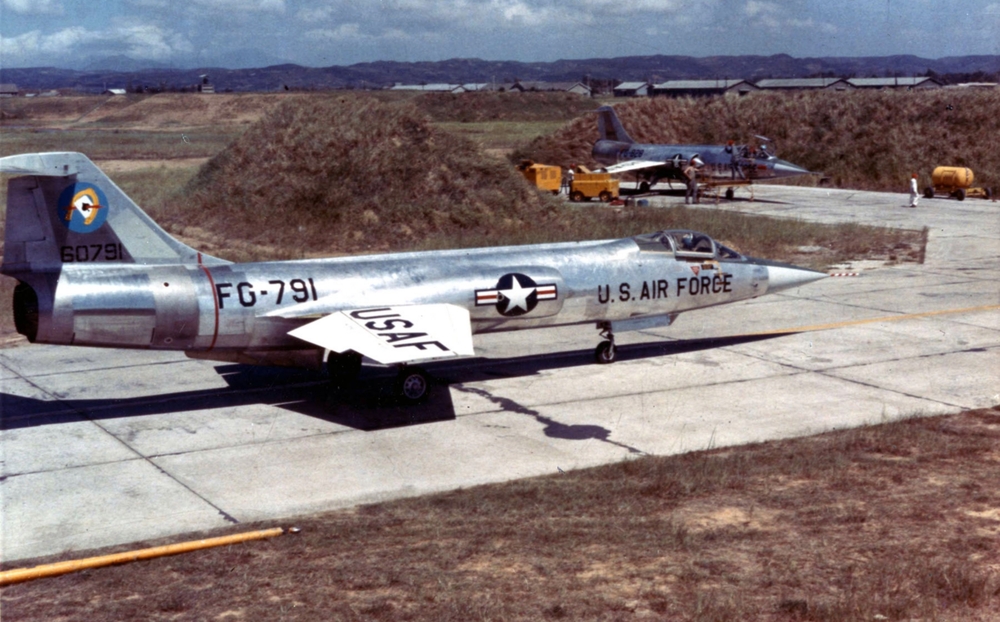
The Black Cats, formally known as the 35th Squadron, was a U2 spy plane squadron stationed in Taiwan during the Cold War. In a striking parallel to today's balloon saga, the planes were being flown not by US pilots or under a US flag but by Taiwanese pilots who claimed to be involved in weather research.
The Black Cats were part of the United States Pacific Command and answered to the commander of the Pacific Air Forces.
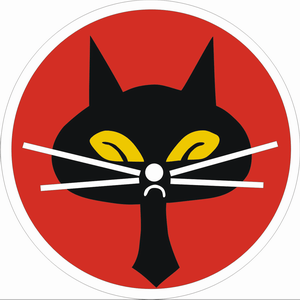
Their name came from the black cats painted on their aircraft's tails.
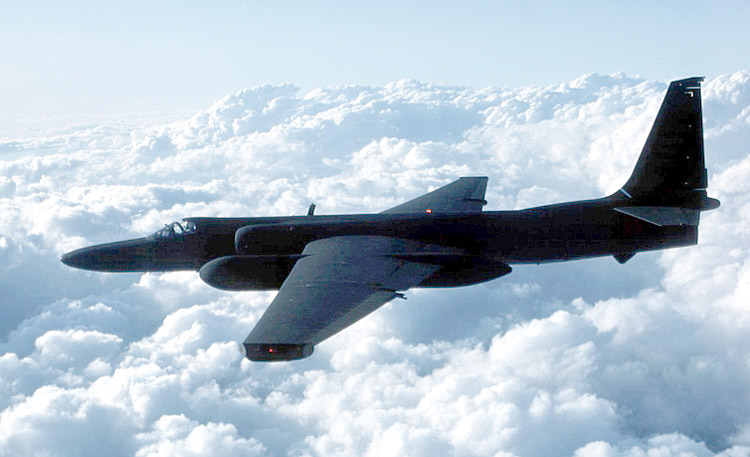
The U2 spy plane was developed in the 1950s as a high-altitude reconnaissance plane. It was a highly advanced plane for its time, with a flying range of over 7,000 miles, and could fly for up to 10 hours without refueling.
The planes had sophisticated sensors that could collect intelligence, including electronic emissions, images, and communications intercepts. It was also equipped with cameras that could take high-resolution photographs. Intelligence agencies then analyzed the photos to gather information on enemy military activities.
Operating out of Taiwan during the height of the Cold War, the Black Cats were tasked with gathering intelligence on Chinese military activities.
The squadron flew missions over China and other countries in the region, taking photographs and gathering different forms of intelligence. It was essential for the United States to understand China's intentions and capabilities.
The Black Cats also played a role in American policy towards Taiwan. The United States had a close relationship with Taiwan during the Cold War, and the Black Cats helped to support that relationship by supplying critical intelligence on Chinese military activities in the region.
According to the Taiwan Defense Ministry's website, the Black Cats flew 220 reconnaissance missions over 30 provinces on the Chinese mainland between January 1962 and May 1974.
Their missions were perilous, and the slightest mistake could have led to catastrophic consequences.
The U2 spy plane was not designed to fly at low altitudes, which made it vulnerable to attack by anti-aircraft weapons. They had to fly their missions at altitudes of up to 70,000 feet, which meant they were constantly at risk of being shot down by China.
In addition to the risks posed by anti-aircraft weapons, the Black Cats also had to contend with Chinese fighter jets. The Chinese had developed advanced fighter jets capable of intercepting and shooting down the U2. The Black Cats had to be constantly vigilant and prepared to take evasive action if they encountered Chinese fighter jets.
Despite the risks, the Black Cats flew on.
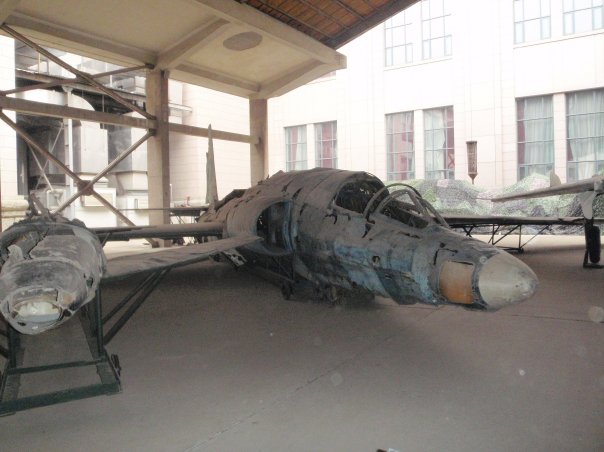
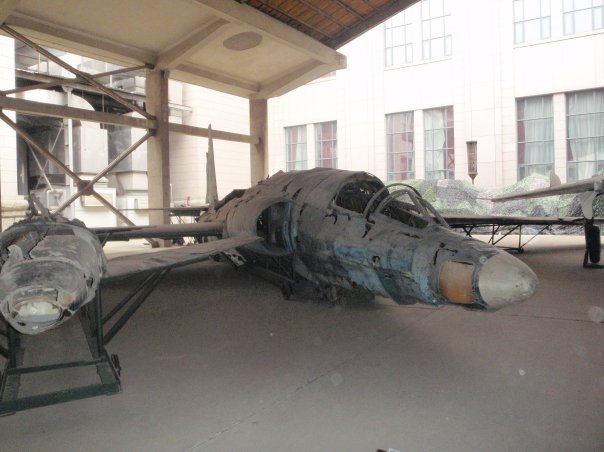
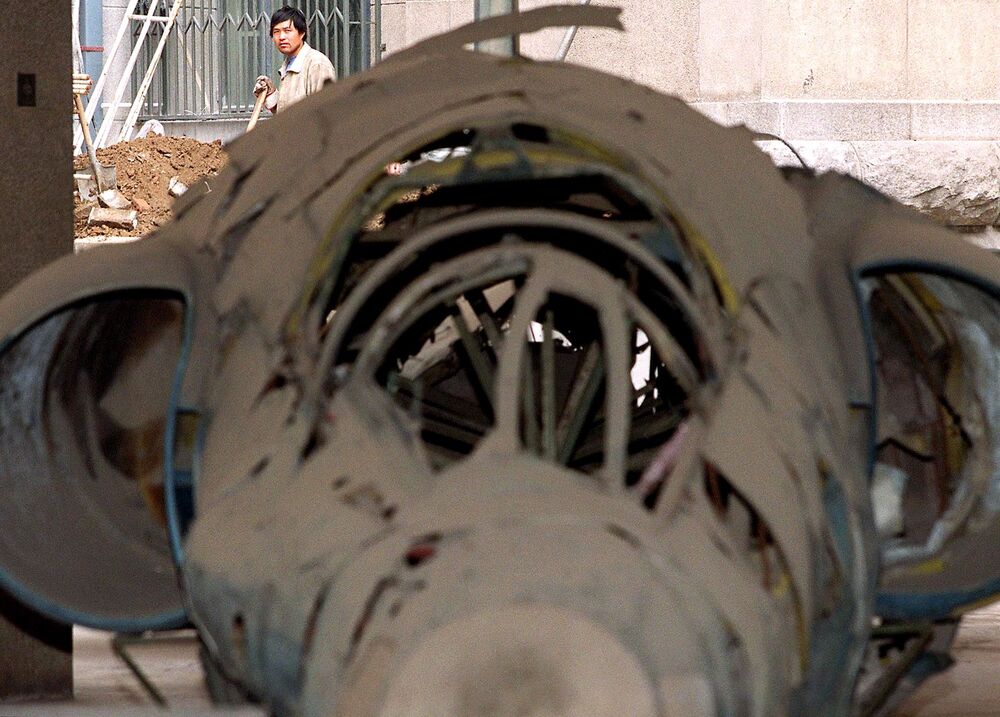
During the 1960s and 1970s, at least five U-2s were shot down while on surveillance missions over China during espionage battles between the US and China.
Since the Central Intelligence Agency (CIA), responsible for America's U-2s when the planes were shot down, has never officially explained why they were there, the losses haven't received as much attention as they might have.
In 1962, Chen, a U-2 pilot from Nanchang in China, became the first U-2 pilot to be shot down by an anti-aircraft missile fired by the People's Liberation Army.
“The missions covered the vast interior of the Chinese mainland, where almost no aerial photographs had ever been taken,” he wrote. “Each mission brought back an aerial photographic map of roughly 100 miles wide by 2,000 miles long, which revealed not only the precise location of a target but also the activities on the ground.”
In November 1963, Maj. Robin Yeh was shot down over Jiujiang, Jiangxi.
“During the explosion, part of the plane's left wing was torn off, causing the plane to spiral down. Much shrapnel flew into the plane and hit me on both legs, Yeh, who died in 2016, recalled in a book, “The Brave in the Upper Air: An Oral History of The Black Cat Squadron,” published by Taiwan's Defense Ministry.
According to the Taiwan Defense Ministry, Lt. Col. Lee Nan-ping's U-2 was shot down by a PLA SA-2 missile over Chenghai, China, in July 1964. He was flying out of a US naval air station in the Philippines to gain information on China's supply routes to North Vietnam.
In 1965, Major Jack Chang Liyi's U-2 was hit by a missile over Inner Mongolia, resulting in dozens of shrapnel wounds. He bailed out and landed on a snowy hill.
“It was dark at the time, preventing me from seeking help anyway, so I had to wrap myself up tightly with the parachute to keep myself warm … After ten hours, when dawn broke, I saw a village of yurts afar, so I dragged myself and sought help there. I collapsed as soon as I reached a bed,” he recalled in the oral history.
In September 1967, a PLA missile hit a U-2 piloted by Capt. Hwang Rung-pei over Jiaxin, China, and in May 1969, Maj. Chang Hsieh did not return from a reconnoitering mission on China's Yellow Sea coast.
According to Taiwan's Defense Ministry, no trace of his U-2 was ever found.
However, there were few regrets for those involved in the original Black Cats - even for those captured.
Neither Yeh nor Chang would see Taiwan again for decades after they were presumed dead in action. They were released in 1982 into Hong Kong, which was still under British administration.
Although the Cold War alliance between the US and Taiwan was no longer in force, the CIA brought the two pilots to the US to live until they could return to Taiwan in 1990.
A documentary maker asked Yeh about his memories of flying at 70,000 feet. "We were literally up in the air. The view was also different. Everything was vast," he said. Chang too, held no bitterness. "I love flying," he said. "I didn't die, so I have no regrets."
(Callan Williamson)