Read More
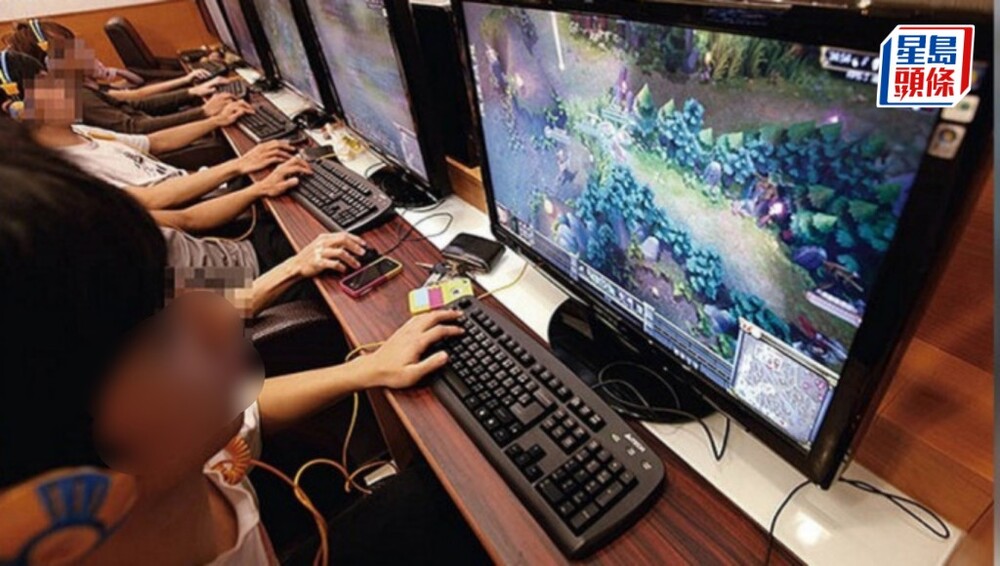
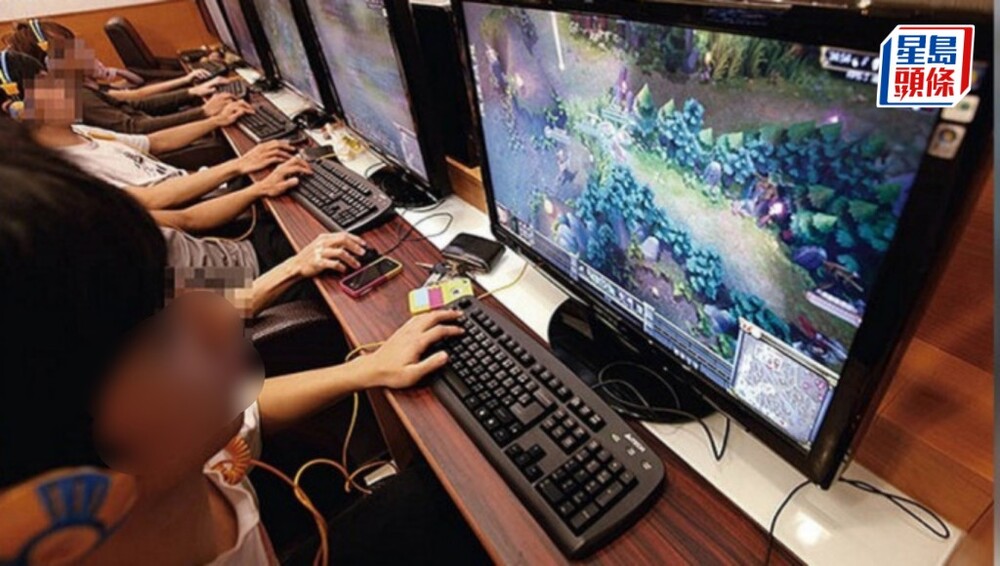
Over 60 percent of students exceed two hours of screen usage daily, according to a recent survey, with experts suggesting the city to implement screen time limits and require game developers to bear social responsibilities by paying taxes on their addictive games.
ADVERTISEMENT
SCROLL TO CONTINUE WITH CONTENT
Speaking on a radio program on Sunday, director of the Hong Kong Jockey Club Center for Suicide Research and Prevention(CSRP) of The University of Hong Kong Paul Yip Siu-fai explained that increased screen time could lead to online bullying and exposure to inappropriate content as well as game addiction, negatively impacting children's physical and mental development.
Calls for regulatory measure to curb excessive screen time in children
Yip urged the government to regulate children's screen time to prevent excessive internet use, referencing measures in China that limit game playing time for young players as a model for Hong Kong.
Additionally, Yip proposed that if the technology companies intentionally produce addictive games, the government should impose taxes on those companies as compensation.
Yip also emphasized the need for more activities for children to foster balanced behavior and reduce screen dependency.
Potential risk and health problems
Meanwhile, Patrick Ip Pak-keung, a clinical professor at the University of Hong Kong's Department of Paediatrics and Adolescent Medicine, warned that children interacting with online strangers may be exposed to new crimes such as child abuse, cyberbullying, and sexual harassment.
Ip recommended parents and teachers to stay vigilant regarding children's online behavior, advising parents to accompany young children when they surf the internet instead of strictly prohibiting device use to establish healthy habits.
He also pointed out that the excessive use of electronic products and lack of physical activity can lead to a decline in children's fitness levels, noting Hong Kong secondary school students are facing more severe physical and health issues compared to their peers in other regions and advocating for early intervention in kindergarten and primary school.
Moreover, Ip stated that overuse of electronic devices could result in vision deterioration, predicting that some young people might experience retinal detachment, macular degeneration, and glaucoma as early as 40 years old.
Ip urged children to keep a distance of at least 30 to 40 centimeters from screens and take regular breaks.
Citing the World Health Organization's recommendations, Ip advised primary and secondary students not to use electronic devices for more than two hours a day, encouraging them to develop exercise habits along with adequate relaxation and sleep.
(Phoebe Poon)
File Photo