Read More
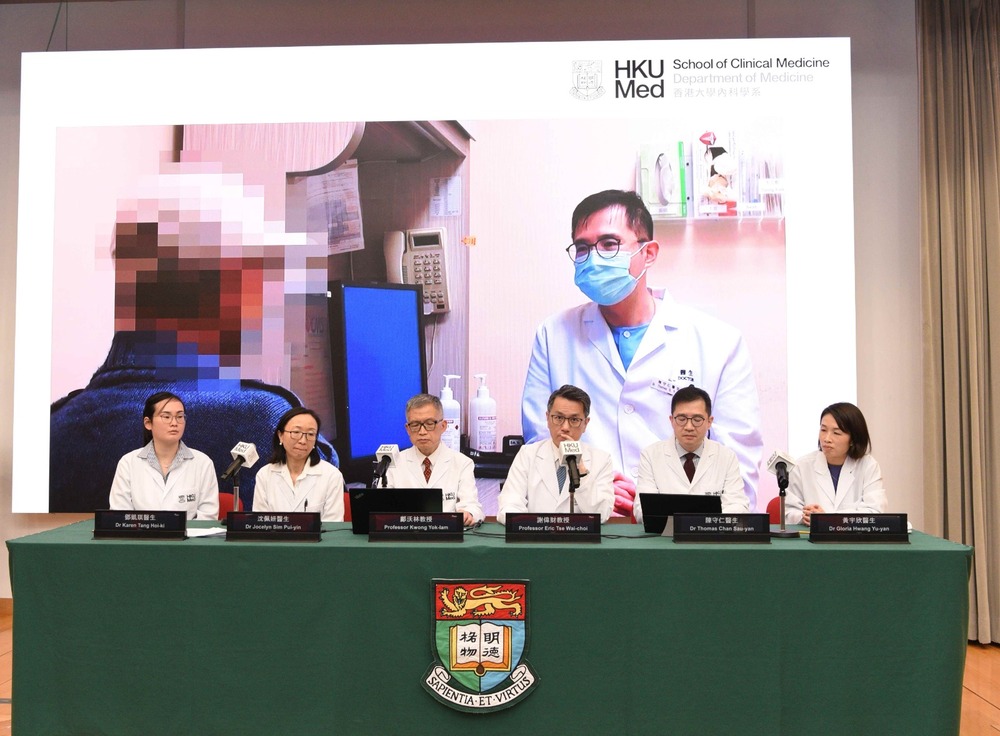
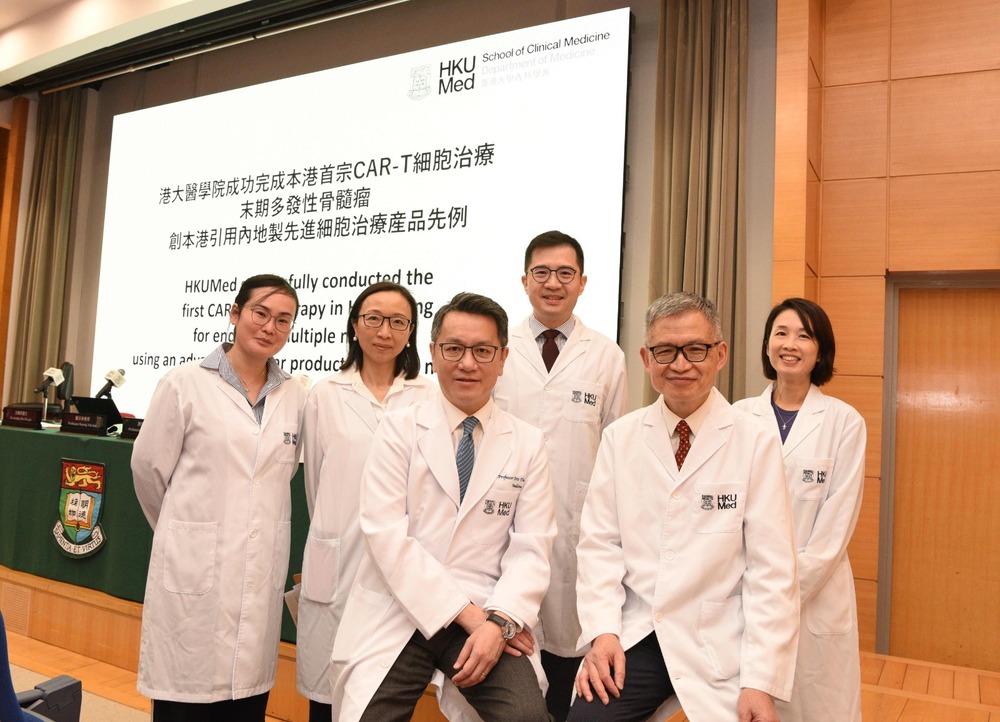
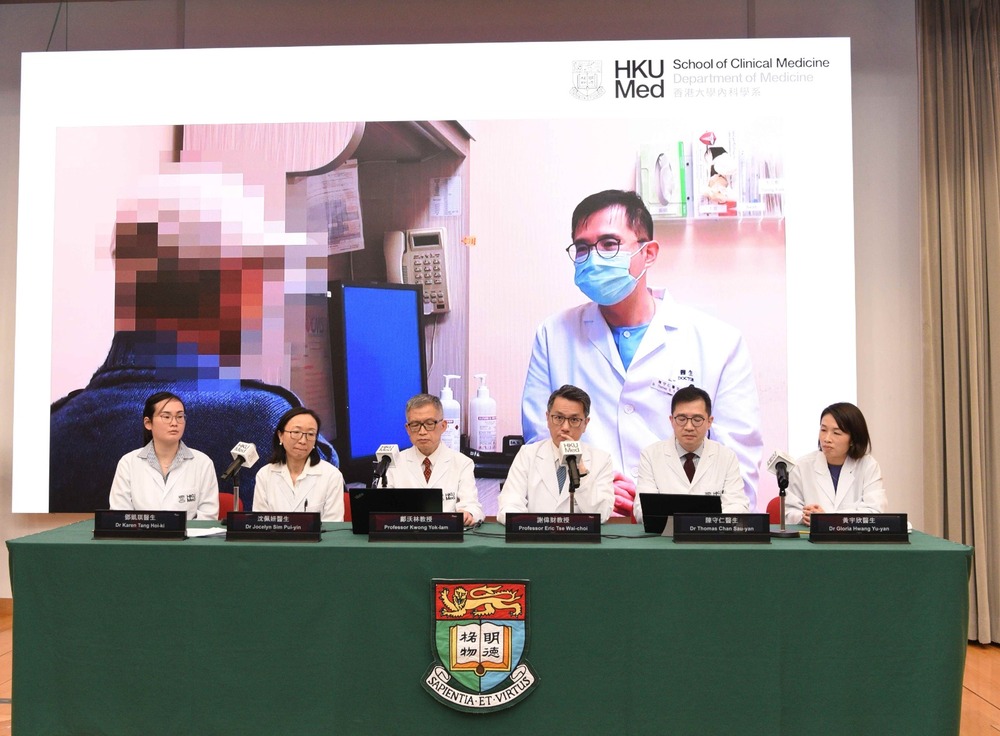
The School of Clinical Medicine at the LKS Faculty of Medicine of the University of Hong Kong (HKUMed) has spearheaded the use of CAR-T cell therapy to treat the first myeloma patient in collaboration with Queen Mary Hospital, offering new hope for those who have not responded to traditional treatment.
ADVERTISEMENT
SCROLL TO CONTINUE WITH CONTENT
A clinical team from the Department of Medicine noted that the innovative treatment to the myeloma patient resulted in an excellent response without severe complications.
The current standard of care for myeloma involves the use of frontline target agents, occasionally in combination with chemotherapy, followed by autologous hematopoietic stem cell transplantation. However, many patients still experience a disease relapse.
For those who relapse or fail to respond to frontline treatment or traditional therapies, options are limited and the disease often becomes terminal.
CAR-T cells therapy is an innovative approach to help patients fight cancers with their own immune system. CAR-T cells are genetically engineered T-lymphocytes that express a chimeric antigen receptor targeting a specific antigen on cancer cells and the treatment is available for treating blood cancers, including leukaemia, lymphomas and myeloma.
"Currently, Queen Mary Hospital is the only hospital in Hong Kong offering CAR-T cell immunotherapy for myeloma," Chair Professor of the Department of Medicine of HKUMed's School of Clinical Medicine Kwong Yok-lam said. "The existing pilot CAR-T cell therapy program aims to treat five to ten myeloma patients annually."
Eric Tse Wai-choi, Associate Dean (Research) of the Faculty and Clinical Professor in the same Department added, "BCMA CAR-T cell therapy will have a significant impact on myeloma management in Hong Kong, as it represents one of the most effective salvage strategies for myeloma."
The use of BCMA CAR-T cell therapy in these patients marks the first application of advanced clinical technology from the mainland in Hong Kong, opening new possibilities for the use of novel advanced cellular therapies from the mainland in Hong Kong and potentially benefiting a broader range of patients in the future.