Read More
The University of Hong Kong’s medical school discovered a mechanism of C-reactive protein that worsens diabetic kidney disease, opening new research avenues for effective treatments.
ADVERTISEMENT
SCROLL TO CONTINUE WITH CONTENT
Over 500 million people worldwide have diabetes, with diabetic kidney disease (DKD) being one of its most common complications and a leading cause of end-stage kidney disease.
Previous studies have shown that C-reactive protein (CRP) --- an inflammatory protein that increases during inflammation --- exacerbates kidney inflammation and fibrosis via the TGF-β/Smad3 signaling pathway.
While the NLRP3 inflammasome is known as a key factor in driving kidney inflammation, it remains unclear if CRP enhances inflammation in DKD through this pathway.
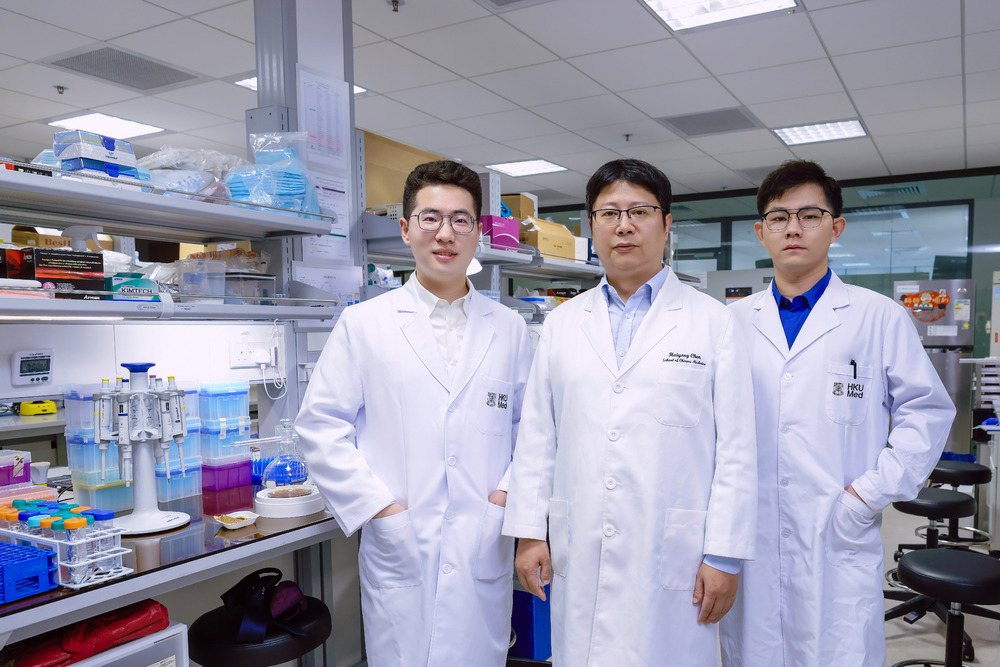
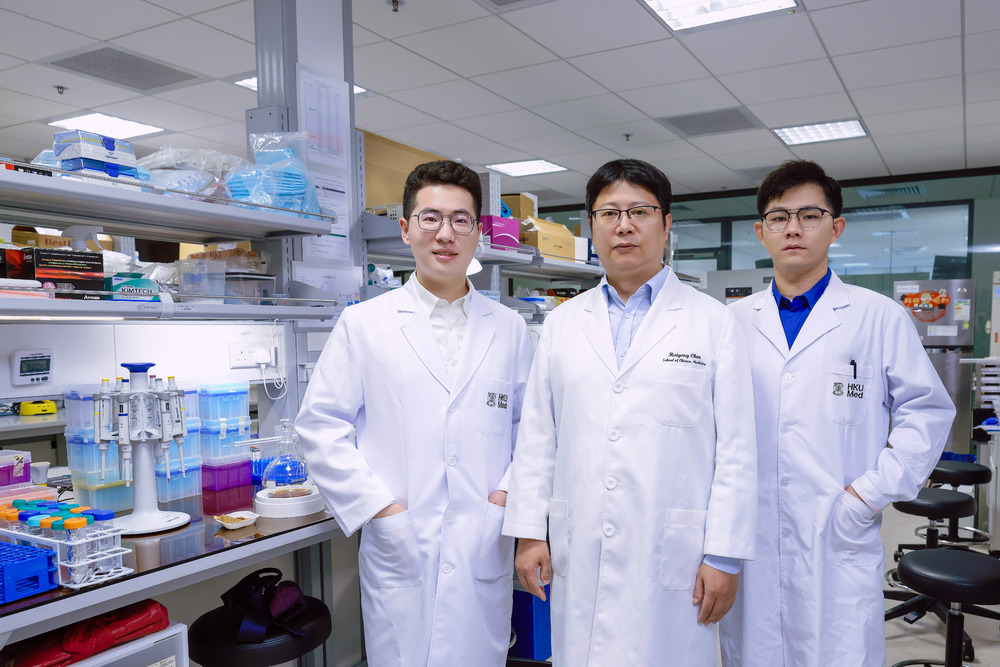
To find out the mechanism, Assistant Professor Chen Haiyong in the School of Chinese Medicine at HKUMed led a research team that created a special diabetic mouse model with the human CRP gene.
By analyzing RNA from the kidneys of these mice, they identified the NLRP3 gene associated with DKD and found significant activation of the NLRP3 inflammasome pathway, with CRP also promoting activation of the protein called Smad3.
To verify Smad3’s role, the team bred diabetic mice lacking the Smad3 gene, resulting in significantly reduced activation of the NLRP3 inflammatory signaling pathway.
They further discovered that activated Smad3 binds to the NLRP3 gene’s promoter region, thereby activating its expression.
The team noted that blocking CRP and inhibiting the Smad3 signaling pathway could effectively reduce inflammation in DKD, offering alternative therapeutic targets.
“We will continue our efforts to screen active compounds in traditional Chinese medicine that inhibit NLRP3 activation, with the aim of treating frequent kidney inflammation in DKD patients and preventing further deterioration of kidney function,” Chan said.
(Cheng Wong)