Read More











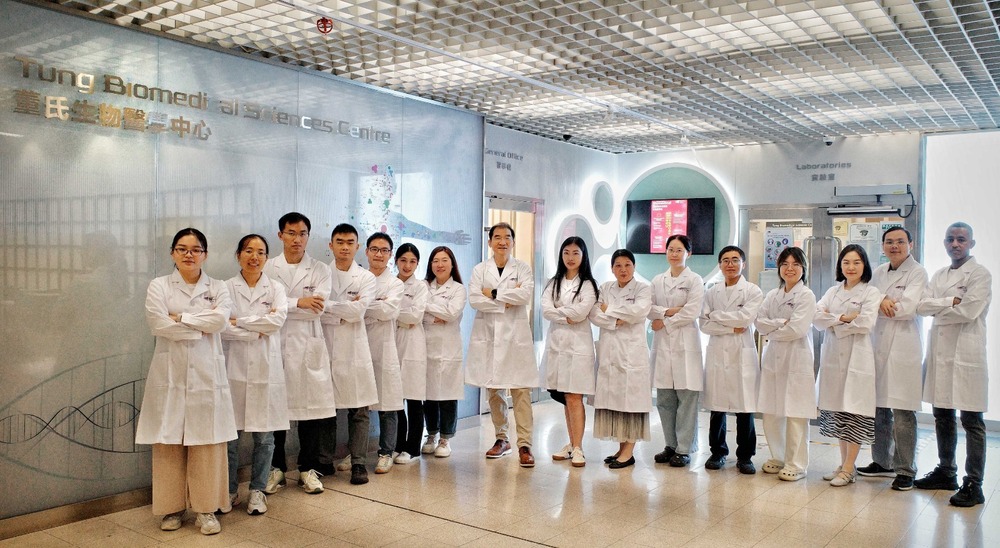
Researchers at the City University of Hong Kong are developing an innovative bio-detection platform to enhance the early detection of cancer, with plans for commercialization within two years.
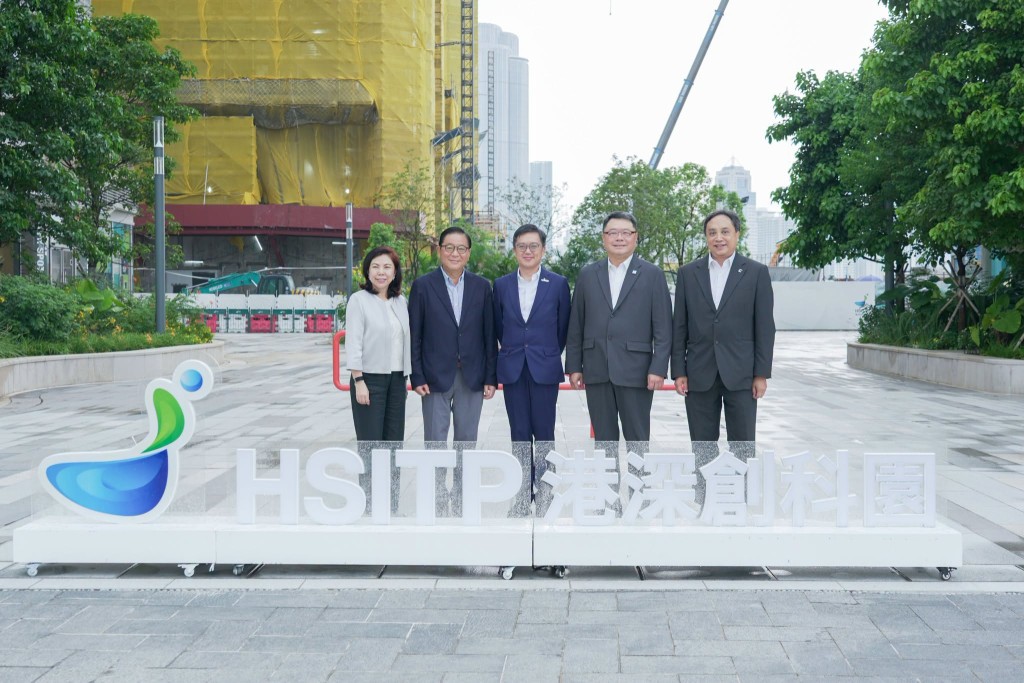
The platform specifically targets circulating tumor cells (CTCs) and is among the first batch of projects funded by the RAISe+ Scheme -- a government scheme launched in 2023 with a total funding of HK$10 billion to help local universities commercialize R&D outcomes.
Cancer remains a major global cause of death, underscoring the critical need for advanced early detection methods.
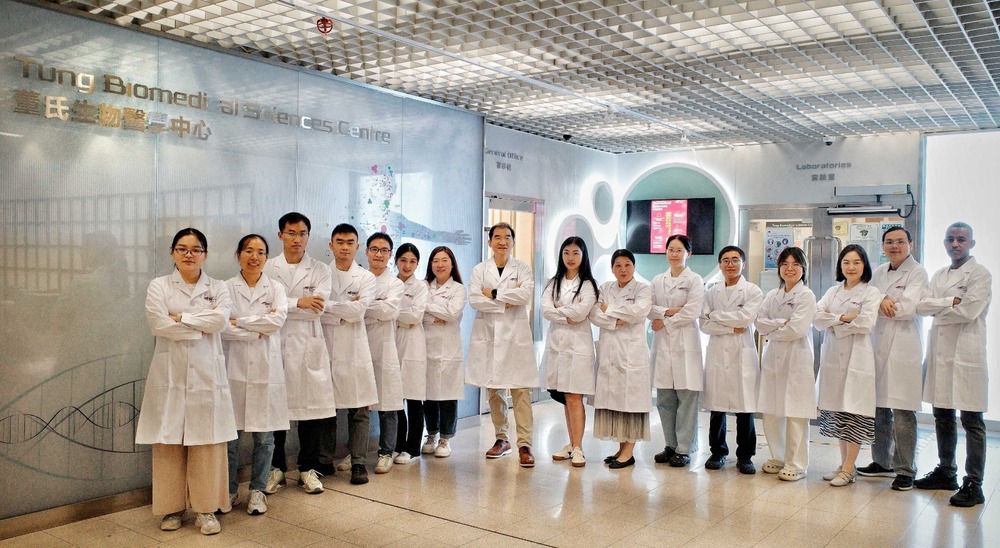
Led by CityUHK’s Senior Vice-President (Innovation and Enterprise) Michael Yang Mengsu and Chair Professor of Biomedical Sciences Yeung Kin-man, the groundbreaking research project aims to create a next-generation CTC detection platform with improved sensitivity and specificity for cancer early screening, diagnosis and treatment.
Yang stated that CTCs are tumor cells that shed from the primary tumor into the blood, carrying genetic and cellular information linked to it.
“Precision diagnosis and comprehensive analysis of CTCs through multi-omics technologies are crucial for cancer early screening, disease monitoring, as well as the development of cell therapies and mRNA vaccines for specific targets and antigens, further supporting the personalized cancer treatment,” he explained.
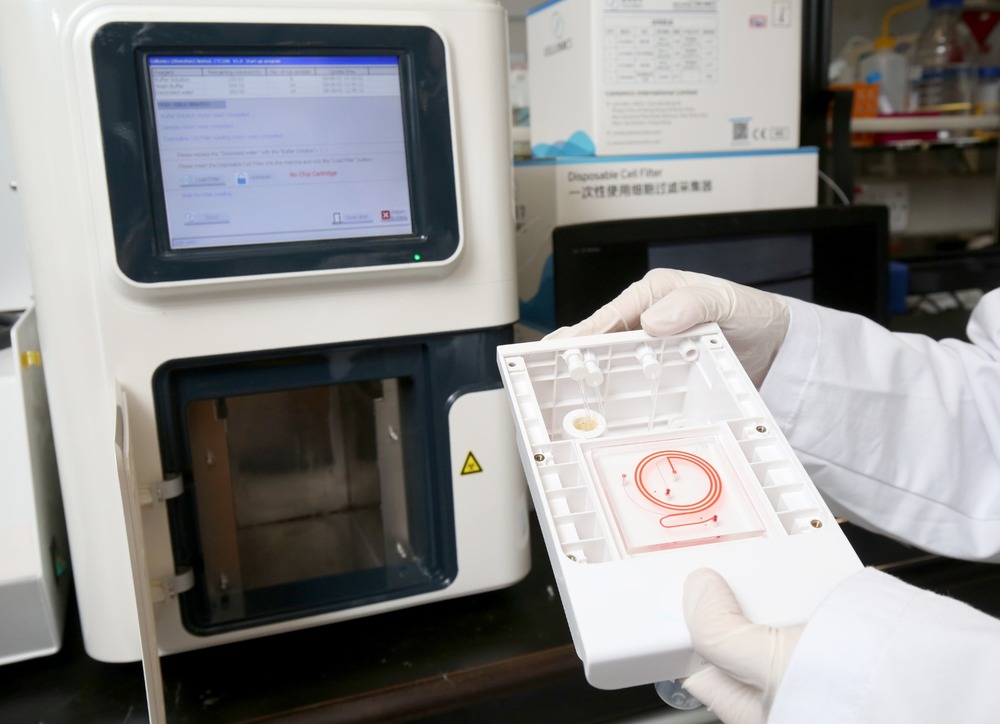
With the support of government funding and a biotech company named “Cellomics,” the research team is now developing a new platform that combines microfluidic chip technology with immune-microparticle isolation strategies to efficiently and sensitively screen CTCs based on their physical and biological traits.
The team will innovate an integrated system for counting and classifying CTCs, as well as detecting their proteins and genes, to support cancer early screening, diagnostics, drug selection, efficacy assessment and precision medicine.
“The project is dedicated to establishing and commercializing a CTC detection system for cancer screening and monitoring within the next two years, to increase the early detection rate and improve treatment efficacy and quality of life for patients,” said Yang.
(Cheng Wong)