Read More
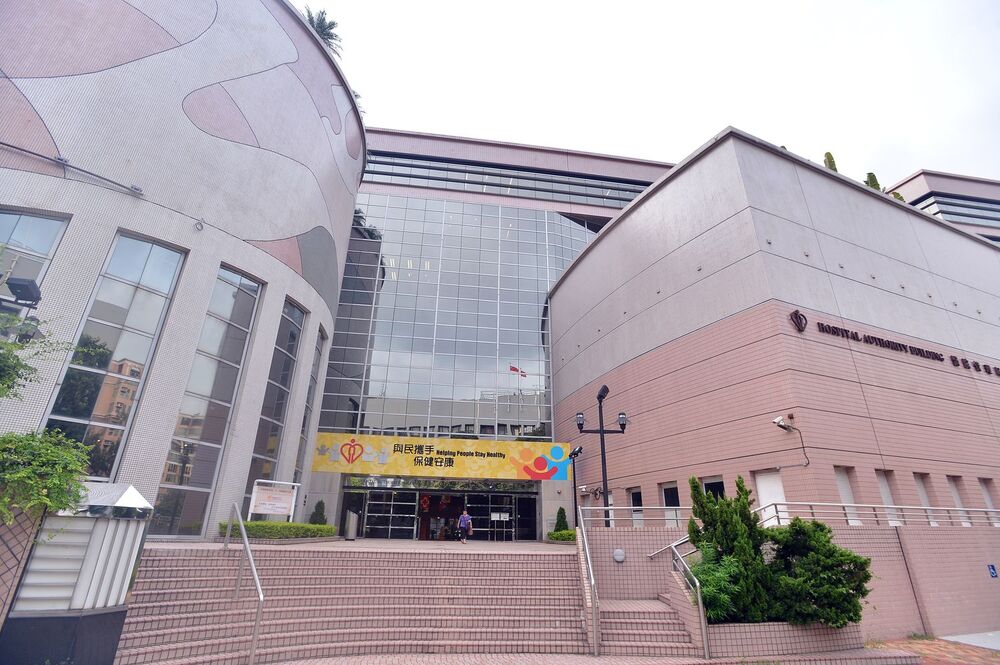
A public hospital patient had paraffin gauze retained in his testis after undergoing an orchiectomy with incision and drainage, according to the Hospital Authority’s latest Risk Alert published on Monday.
ADVERTISEMENT
SCROLL TO CONTINUE WITH CONTENT
The patient was admitted to a public hospital for right testicular pain and underwent exploration of the scrotum and bilateral orchidopexy.
But he later developed a scrotal wound infection and underwent orchiectomy with incision and drainage.
One ribbon gauze was packed into each scrotal wound, and the left testis was covered with paraffin gauze.
The patient complained of groin pain after the surgery, and the surgeon replaced the two ribbon gauzes but left the original paraffin gauze in the left scrotum.
The recovery room nurse verified with the surgeon and documented in the perioperative nursing record that “one paraffin gauze still remained in the wound”.
However, ward nurses replaced only the ribbon gauzes during daily dressing without noting the paraffin gauze.
Even though the patient was later admitted to another public hospital, both hospitals opted not to proceed with further wound exploration.
It was until two months after the operation, the patient noticed discharge from his scrotum and self-punctured it, observing whitish material from the wound.
Bedside exploration retrieved two pieces of fragmented paraffin gauze from the scrotal wound.
The authority said in the document to suggest reinforcing ward nurses to review the perioperative nursing record, as well as alertness of suspected surgical material retention on ultrasound reports.
This is one of the seven sentinel events that happened between July and September last year, the authority reported, comprising four cases of surgery or interventional procedure involving wrong body parts, two cases of retained instruments or materials procedure, and once case of maternal death with massive pulmonary embolism.
There were also 14 reported serious untoward events, there were 11 related to medication errors and three patient misidentifications.
(Eunice Lam)
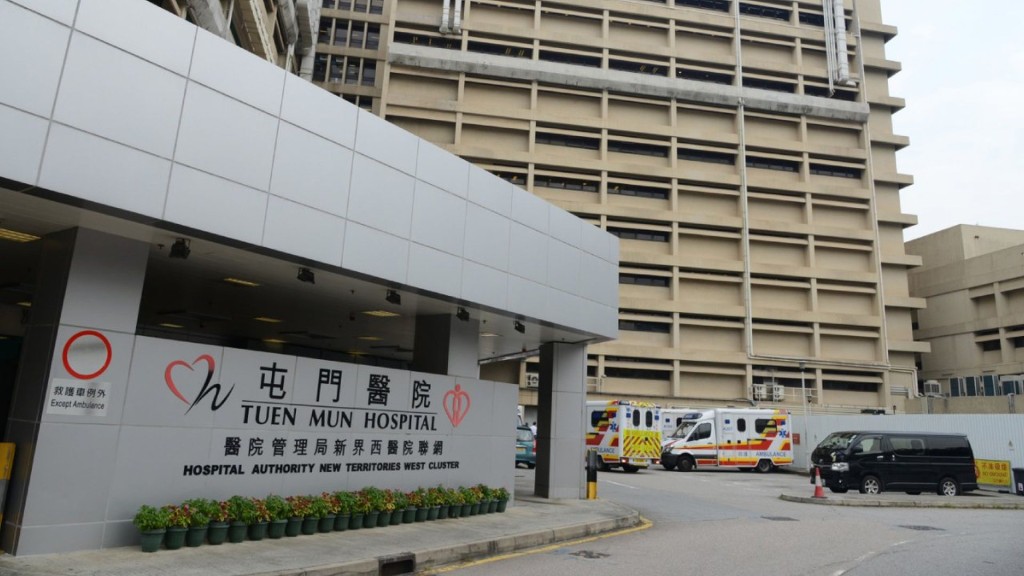
File photo.