Read More





Visitor numbers unaffected by Middle East crisis: Rosanna Law
04-04-2026 13:29 HKT




Iran demands transit fees in yuan, stablecoins for Strait of Hormuz passage
03-04-2026 02:45 HKT
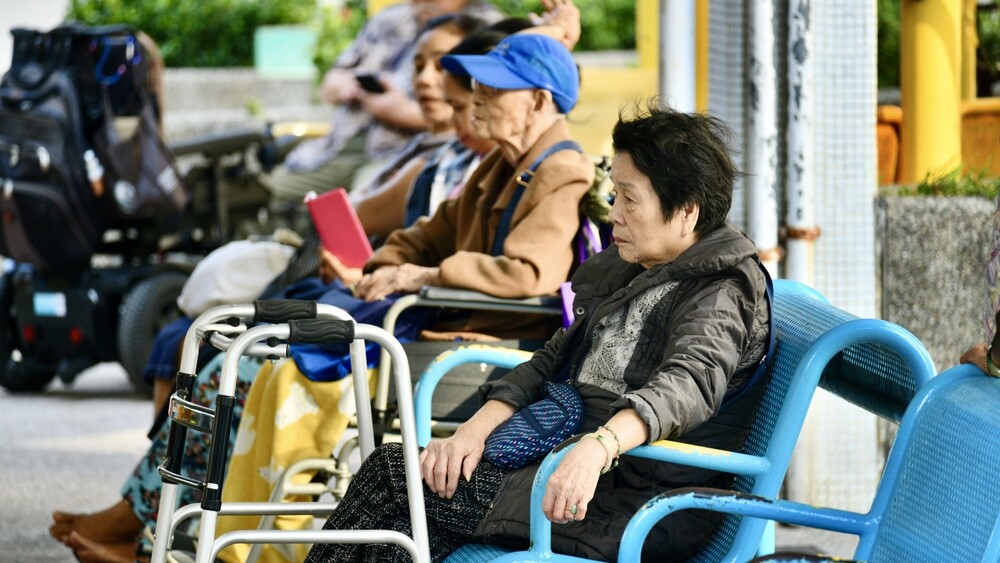
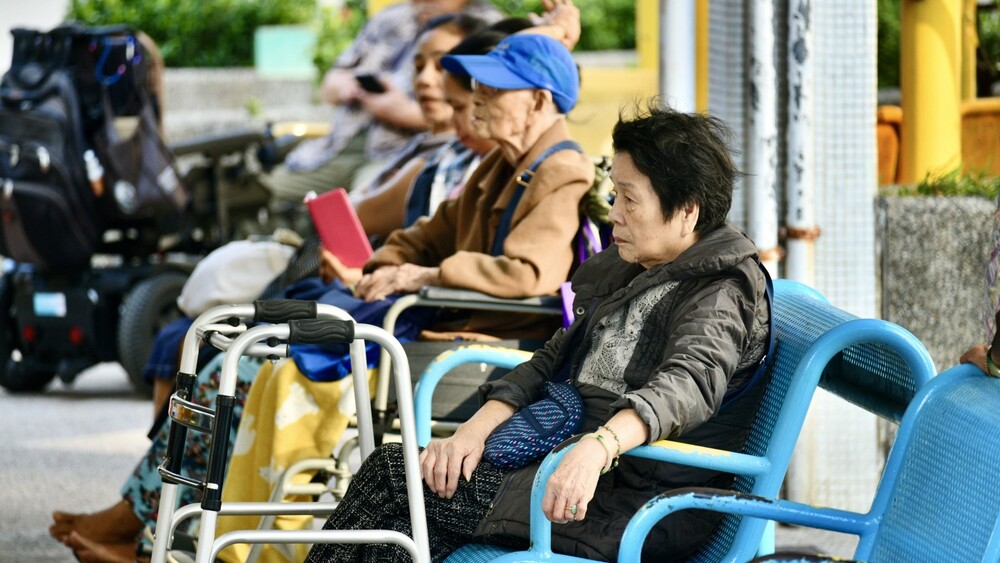
Aging population is the most pressing issue in Hong Kong that has to be dealt with quickly to improve family well-being, said Patricia Chu Yeung Pak-yu, co-chair of the Asian Family Summit.
The summit was held from December 27 to 29 at the University of Hong Kong to examine the challenges faced by families stemming from four megatrends -- new technologies, urbanization and migration, climate change, and demographic changes.
During the three-day summit, over 70 papers were presented, and 700 participants from the Asia region reviewed existing policies, services, and practices to formulate future family policies and innovative measures to address the trends.
Chief Executive John Lee Ka-chiu, the Social Welfare department, public and private institutions, academic professionals, and non-governmental organization sectors had participated in the summit.
After the summit, a full report covering recommendations and solutions would be produced and sent to various parties for their follow-up, said Renata Kaczmarska, social affairs officer, and focal point on the family of the United Nations.
During a media interview, Chu, chairwoman of the Consortium of Institutes on Family in the Asian Region that held the summit, said the four trends are interrelated and the discussion should not be standing alone, but the most pressing issue impacting Hong Kong is demographic changes with the city’s aging population, alongside low fertility.
“This is a summit for cross-sector, multi-disciplinary sharing, and exchange, paving the way for future collaboration and action for providing wider perspective and raising awareness about the megatrends and family well-being in Asia,” Chu said.
“Without the perspective of the megatrends, they won't be able to concentrate on the issues to help them and use the right method to help them.”
Intergenerational solidarity, digital divide, awareness of climate change, affordable housing, and accessible greenery space are all interrelated and are challenges in Hong Kong, Kaczmarska said.
Susan Walker, associate professor emeritus of the department of family social science at the University of Minnesota in the United States said there is an urgent need for parenting education also using technology.
She added that the digital divide and digital affordability should be improved as the rapid aging and dramatically increasing longevity.
Kaczmarska highlighted that it is important for the world to focus on the mega trends to advance family well-being for the long-term sustainable development of future generations, adding that Asia probably has the most commitment to families.
(Henry Siu)