Read More







Night Recap - July 14, 2026
9 hours ago



Low-income households entering work to get up to $45,000
13-07-2026 19:34 HKT
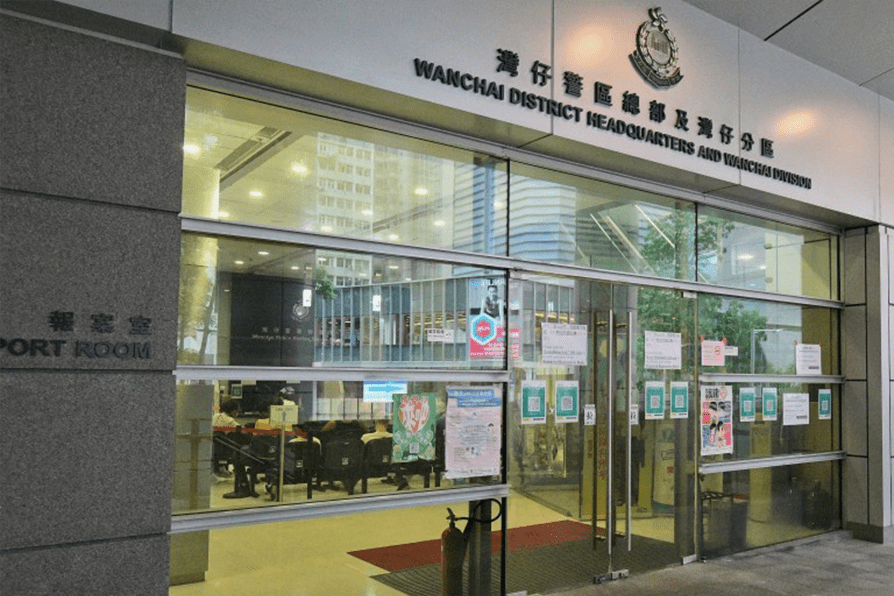
Mainland woman arrested after allegedly using counterfeit $1,000 banknotes
13-07-2026 12:56 HKT
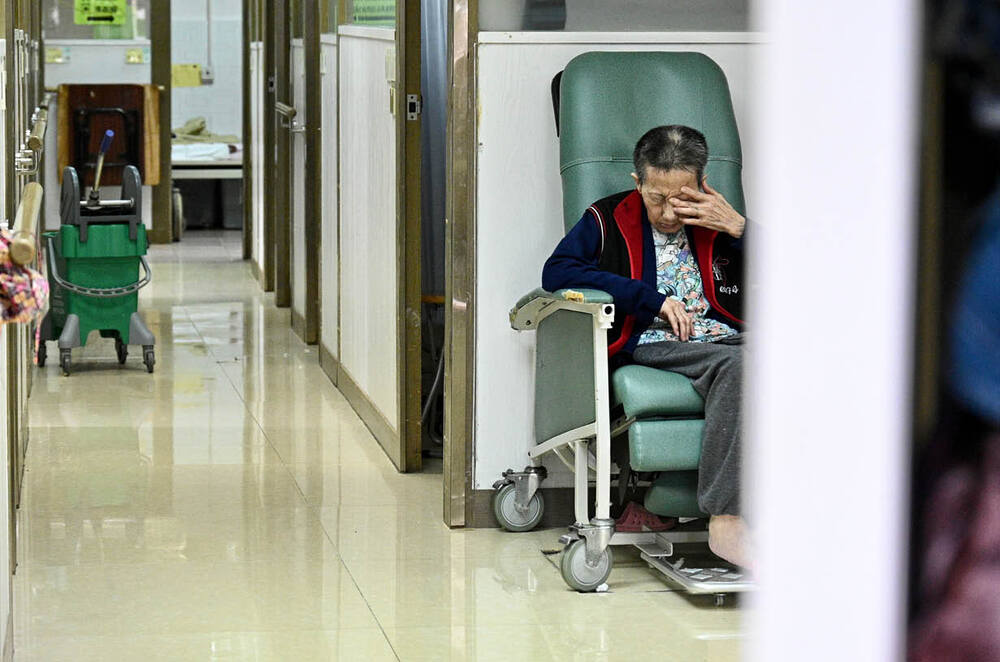
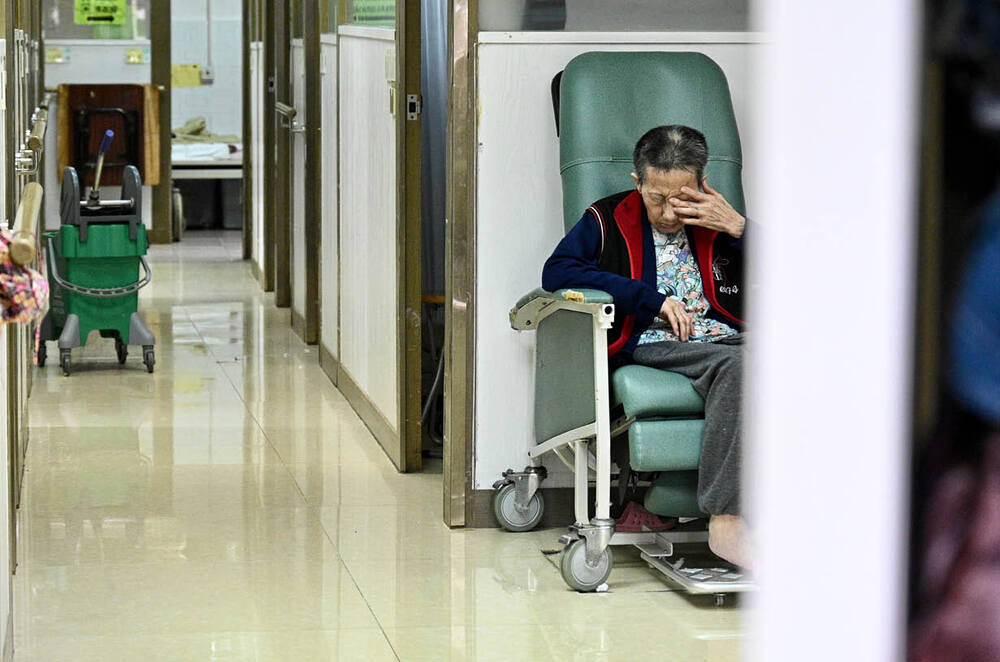
A recent study conducted by the Chinese University of Hong Kong (CUHK) shows Hong Kong people live longer than Japanese but have increasing disability problems in old age, while those with higher socioeconomic status enjoy better health.
CUHK's Faculty of Medicine (CU Medicine) and the Institute of Health Equity conducted a study to assess the temporal trends and area-level socioeconomic inequalities in life expectancy (LE) and disability-free life expectancy (DFLE) at age 65 in Hong Kong between 2007 and 2020.
The results showed that the proportion of elderly living with disabilities has been increasing in the city, while the apparent socioeconomic gradients of LE and DFLE were observed across 18 districts.
The study retrieved and collated secondary data on the age- and gender-specific rates of mortality and disability, as well as the population structure and Hong Kong life tables in corresponding years.
According to the Census and Statistics Department, the figures for LE at age 65 increased by 3.7 years in men and by 2.1 years in women between 2007 and 2020, and the estimated DFLE increased more slowly - by 1.8 years in men and by only 0.1 years in women.
The research team described that as an alarming result implies a substantial increase in the proportion of life spent with disability, leading to an expansion of the disability burden among the Hong Kong population.
The team further assessed the area-level socioeconomic inequalities in LE and DFLE. Results based on multiple linear regression showed clear socioeconomic gradients for both LE and DFLE, with average increases of 0.81 years and 0.68 years per 10 percent increase in the proportion of older adults with secondary education or above across districts, respectively.
"Our study strongly affirms that it is inadequate to focus on LE alone as it may be a façade that conceals the problems related to the burden of disease," said the research assistant professor in the Jockey Club School of Public Health and Primary Care at CU Medicine Gary Chung Ka-ki.
"DFLE is a critical indicator that should be routinely adopted in Hong Kong not only to assess and monitor the progress of improvement in population health and healthy aging, but also to offer a more comprehensive picture of the health equity situation of society."
The findings have been published in The Lancet Regional Health – Western Pacific, an international peer-reviewed medical journal within The Lancet Group.