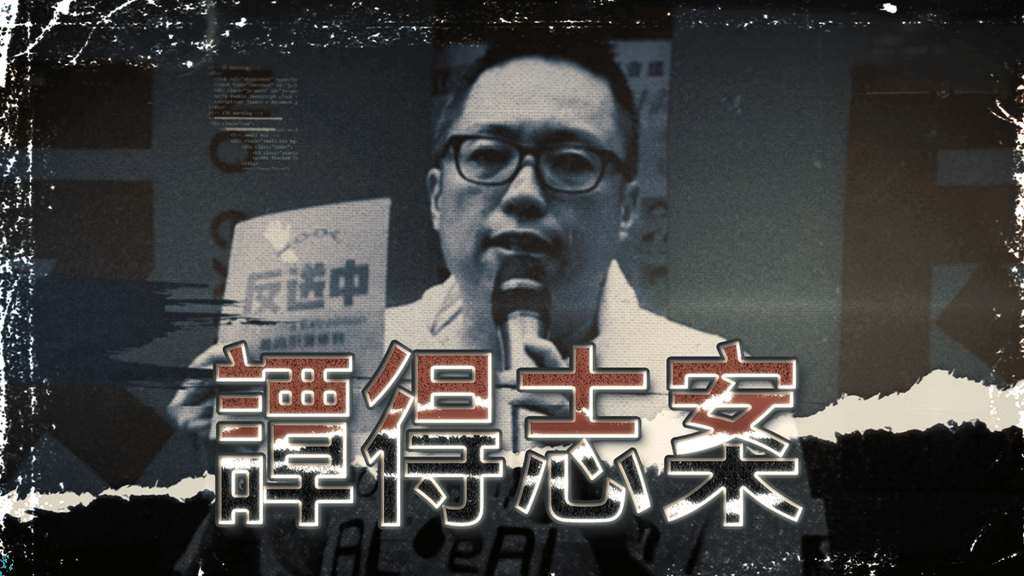
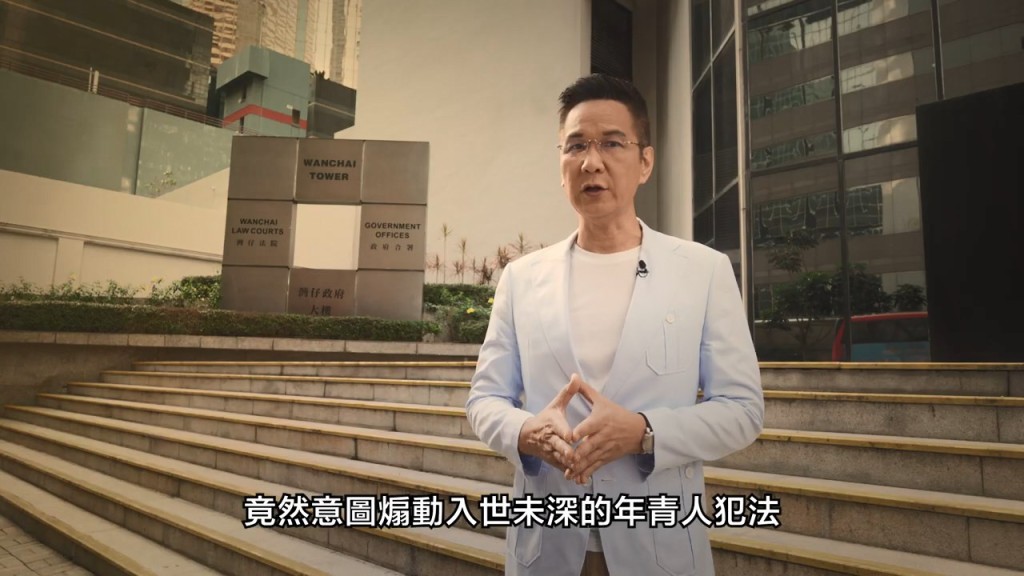
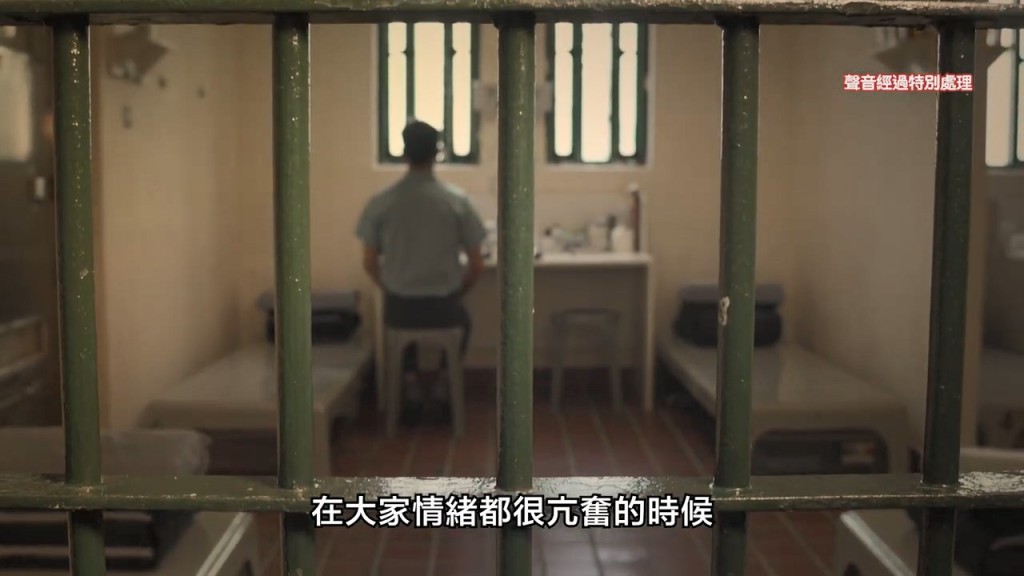
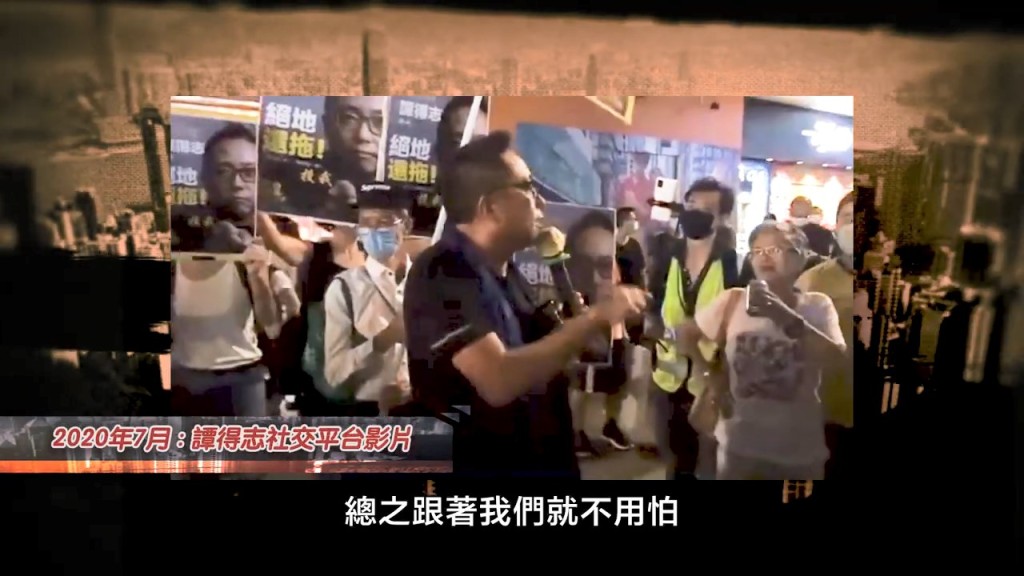
The third episode of the Security Bureau's five-part television series "National Security Files Decoded" aired on Tuesday, examining the Tam Tak-chi case with contributions from police, legislators and legal experts, including an interview with a young man imprisoned for rioting who said he had been "brainwashed" with pro-independence rhetoric.
ADVERTISEMENT
SCROLL TO CONTINUE WITH CONTENT
Tam, former vice-chairman of People Power, was arrested in 2020 for making seditious statements at public gatherings and street stalls, including insulting police and promoting "Hong Kong independence" slogans. He was convicted on 11 charges in 2021, including publishing seditious words, public nuisance and inciting participation in unauthorised assemblies. He was sentenced to 40 months in prison and fined HK$5,000.
+3
Chief Superintendent Steve Li of the National Security Department said Tam's speeches at a public gathering in Tai Po on January 17, 2020, incited secondary school students to participate in illegal activities. Two days later, at a street stall in Causeway Bay, Tam ignored police warnings, used a loudspeaker to chant independence slogans and verbally attacked officers and passers-by with different views, even calling on supporters to harass police quarters.
Former legislator Martin Liao said Tam used despicable means to disparage the police and government, incite hatred against the HKSAR government and the nation, and advocate independence. Liao recalled opposition lawmakers disrupting Legislative Council proceedings during the National Anthem Bill debate by throwing foul-smelling substances.
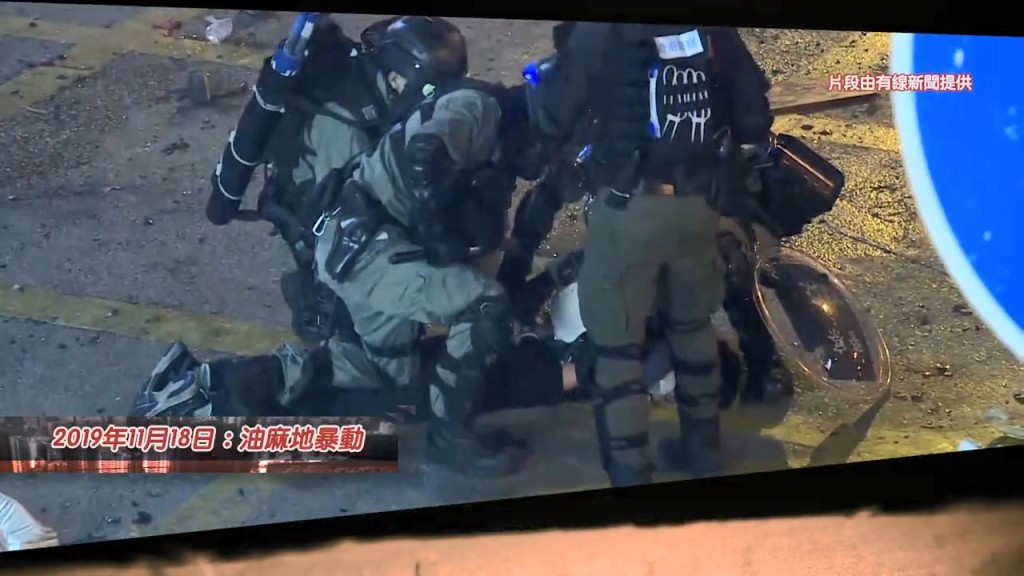
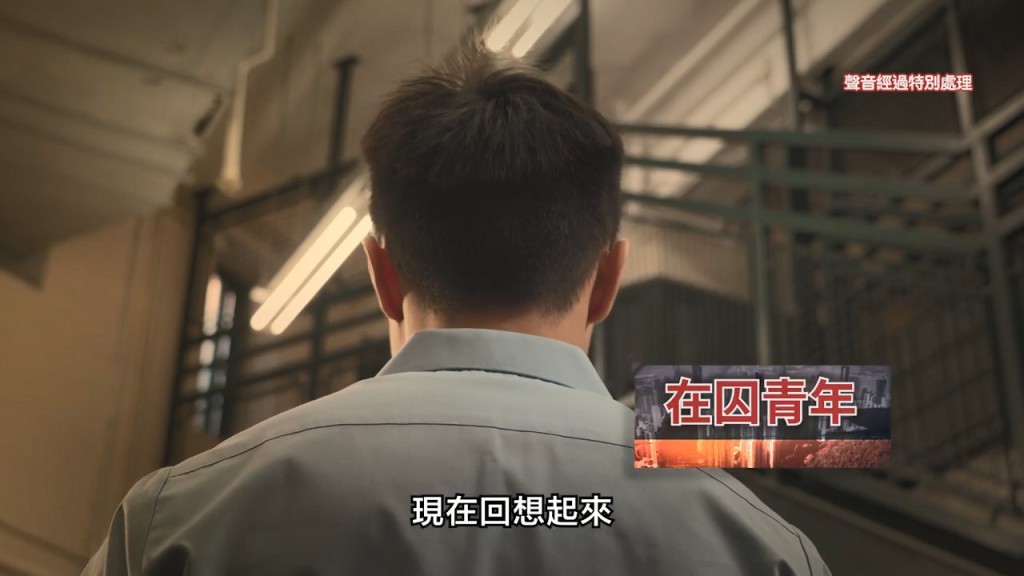
A young man serving a four-year-11-month sentence for participating in the 2019 Yau Ma Tei riots, now studying at the Correctional Services Department's Ethics College, said Tam's speeches were full of groundless accusations and aimed at brainwashing young people with negative messages and independence ideology.
Senior counsel Grenville Cross said sedition laws do not affect freedom of speech, noting that the Basic Law protects these rights and national security laws also mandate respect for human rights.