Read More


Night Recap - September 22, 2026
6 hours ago





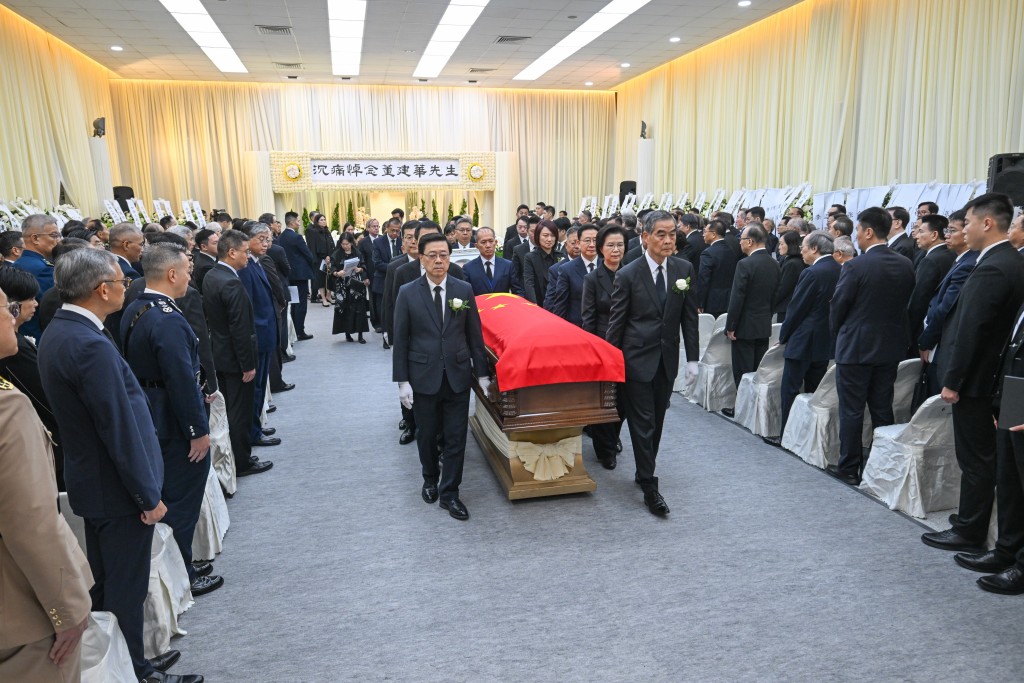
John Lee and CY Leung lead pallbearers for Tung Chee-hwa
20-09-2026 15:54 HKT

HKO forecasts showers Tuesday, tracks possible cyclone east of Philippines
21-09-2026 17:31 HKT


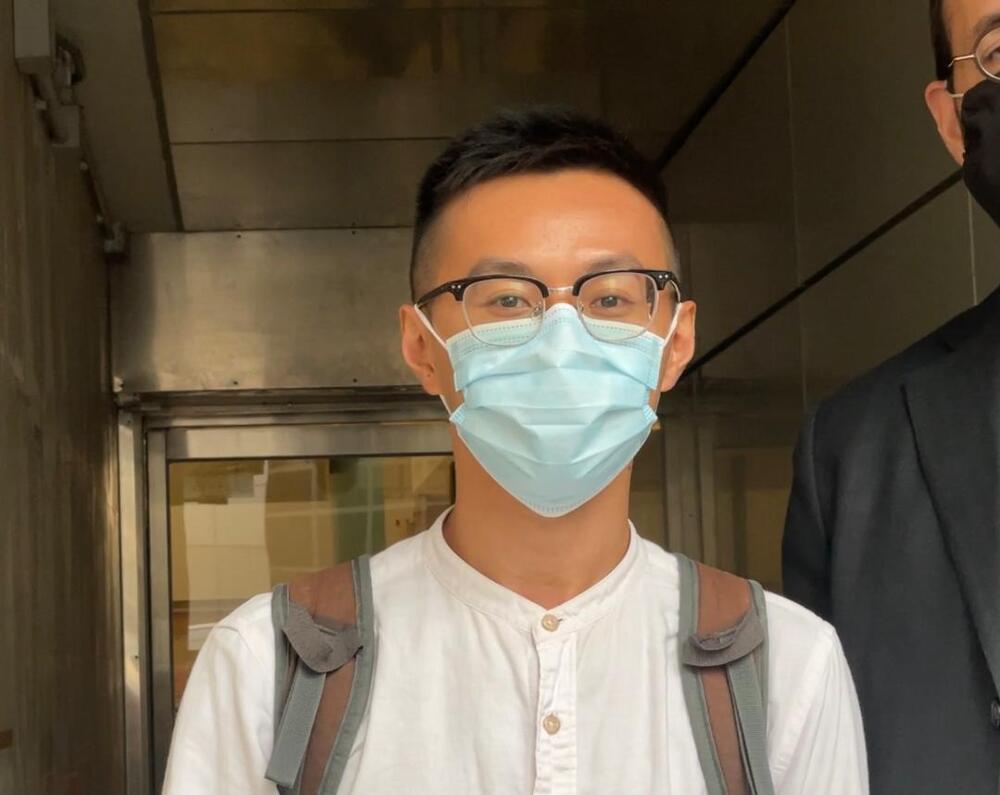
The High Court on Tuesday rejected the government’s appeal against a gay couple who won a judicial review on same-sex partner inheriting properties left by their deceased loved ones.
Late Edgar Ng Hon-lam filed a review to challenge the Intestates’ Estates Ordinance (IEO) three years ago as he worried that upon his death his husband Henry Li Yik-ho would not inherit their subsidized flat since the SAR government does not recognize same-sex marriage performed overseas.
The Court of First Instance later ruled in favor of Ng’s case and pointed out that the marriage provisions under the ordinance are discriminatory and unconstitutional. The original judge also noted the issue of differential treatment between same-sex and opposite-sex couples.
The Department of Justice filed an appeal but was dismissed by Justices of Appeal Peter Cheung Chak-yau, Maria Yuen Ka-ning and Thomas Au Hing-cheung on Tuesday.
In the judgment released today, Cheung said although Ng and Li could have made wills during their lifetime, it does not provide an answer to the difference in treatment in respect of their entitlement to the IEO and Inheritance (Provision for Family and Dependents) Ordinance (IPO).
“They are excluded wholly from taking the benefits of the provisions of the IEO and IPO because they had entered into a same-sex marriage and the difference in treatment is based on their sexual orientation,” Cheung said.
He noted that although the civil union of Ng and Li is viewed as a valid marriage in the UK, under the IEO, Li is not recognized as a spouse and under the IPO, Li can only seek to inherit the flat as Ng’s dependent.
That means Li has to prove that he had been maintained by Ng during his lifetime when seeking to inherit the flat. “Again, the differential treatment based on sexual orientation is apparent,” Chueng wrote.
Cheung added that Ng had not made a will. “Assuming Ng had made a will but for some reason it is found to be invalid, the devolution of his estate upon his death would be governed by the intestacy rules under the IEO under which his spouse Li would not be entitled to benefit.”
Cheung continued: “I also agree that the coherence of law in respect of marriage will not be undermined by the applicants having recourse to the IEO and IPO.”
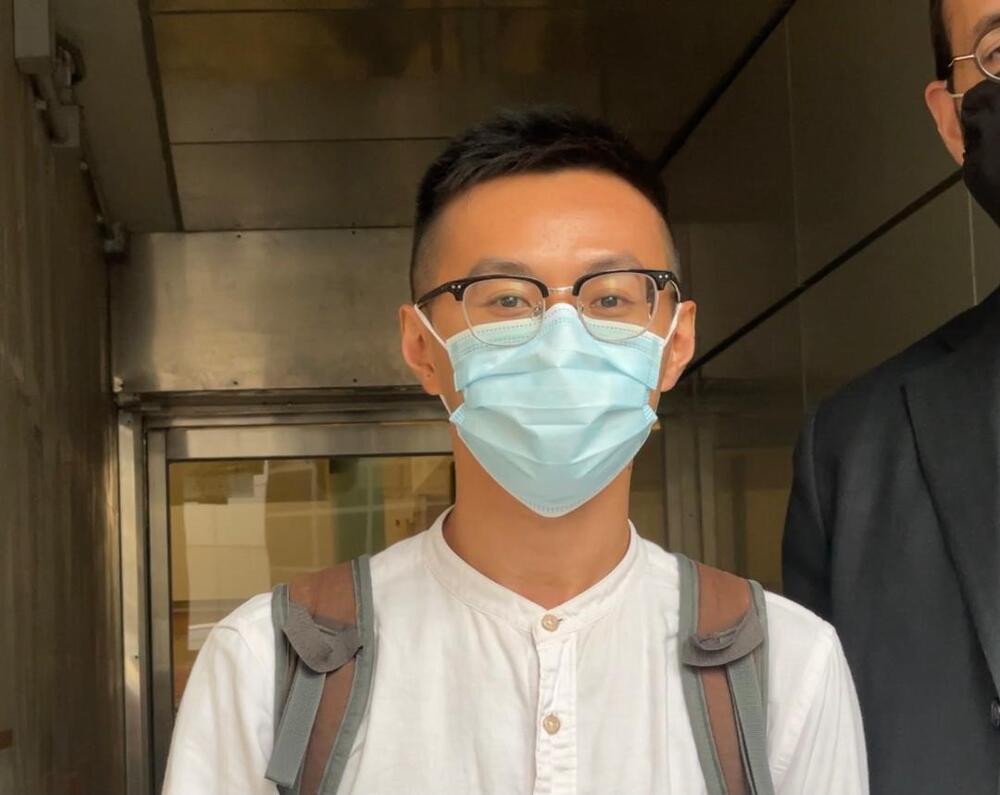
Li issued a statement through his lawyers and said: “My husband’s passing has broken my heart but the government continues to deny our marriage again and again in court and view us as two strangers. It’s like putting salt on fresh wounds for the grieving family.”
The law firm also called on the government to fulfill its constitutional duties and ensure every citizen regardless of their sexual orientation will be treated equally under the law.
The Hong Kong Marriage Equality called on the government not to appeal the judgment so as not to “prolong Henry’s ordeal”.