Read More

Night Recap - October 7, 2026
1 hour ago
Euro sinks to 17-month low as French fiscal woes spur contagion fears
05-10-2026 14:53 HKT


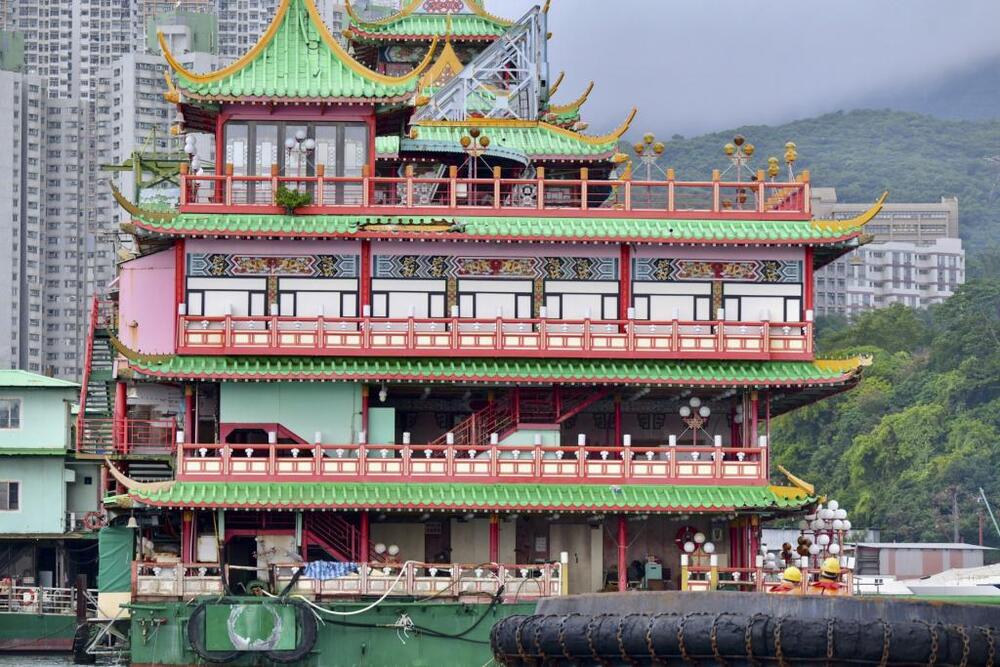
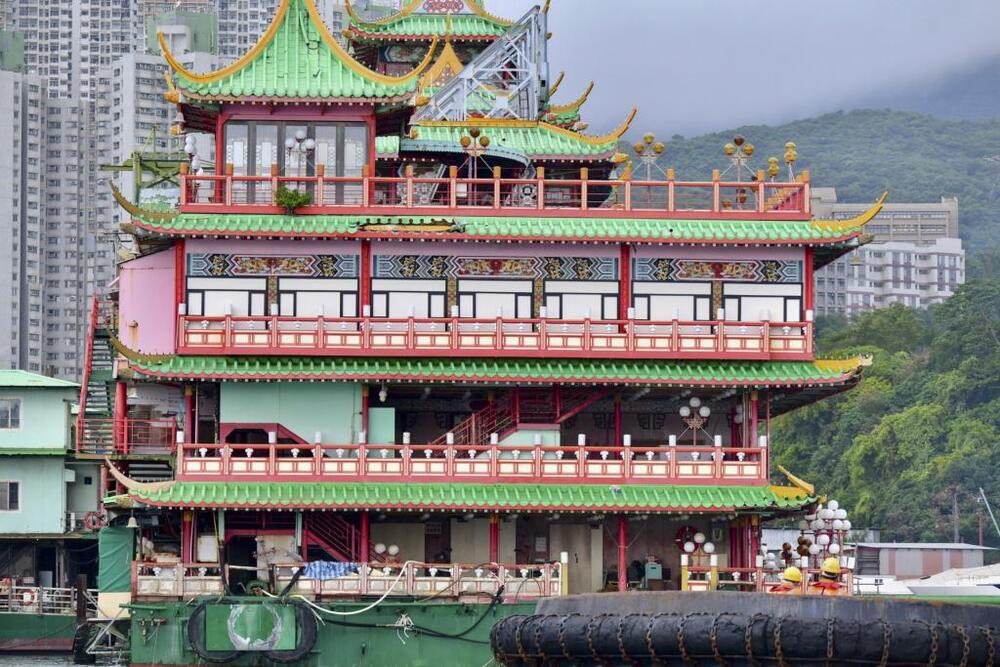
Hong Kong's iconic Jumbo Floating Restaurant capsized in the South China Sea less than a week after it was towed away. A senior figure in city tourism described the incident as "intriguing" and urges to step up investigations.
Timothy Chui Ting-pong, executive director of the Hong Kong Tourism Association, urges the government to investigate whether the Marine Department was informed of the final destination and sailing route of the Jumbo Floating Restaurant
He said it also had to be known whether the risk of the sinking was expected before Jumbo was towed away.
Aberdeen Restaurant Enterprises, the parent company of the Jumbo Restaurant, declined to comment on the amount of loss and whether it will seek compensation from the tugboat company. And reiterated that it would not disclose where the ship originally planned to be docked, according to a local report.
Earlier this month, the company said it had found a suitable shipyard for Jumbo in Southeast Asia but refused to say the location.
Chairman of Hong Kong Seamen’s Union Cheung Sai-teng said the capsize of Jumbo Floating Restaurant was rare. He questioned that the boat was not equipped with seamen when being towed, so it failed to respond immediately when encountering unexpected accidents.
He said that Jumbo was modified by a wharf boat, which had no power itself and had to be driven by the tugboat. However, "an accident like this where the whole wharf boat sank has never been seen,” he added.
According to Cheung's understanding, the boat had completed all protection work required by Marine Department and was issued a certificate of being able to sail after being inspected by the Marine Department officers.
"It was hard to predict the weather when sailing, and no one knows what would happen," he said. "Especially in the South China Sea, where wind and waves these days would cause unexpected occurrence."
As for the insurance, Cheung believed that the company had bought insurance before sailing, and if met the requirements, the compensation must be adequate.
Stephen Li Yiu-kong, Professor of Practice (Maritime Studies) of Polytechnic University's Department of Logistics and Maritime Studies, said the superstructure of Jumbo Floating Restaurant was tall with a wide wind surface, which made it easier to be affected by wind and waves. If so, the capsize was an unfortunate accident.
He also said the waters where the incident occurred was deep and required deep-diving equipment for salvage. Plus the weather in that area was was relatively worse so the salvage costs were expected to be higher.