Read More










HKU hall faces backlash over KFC halal meal at HK$500 high table dinner
26-09-2026 11:28 HKT
UK denies BN(O) visas to Hongkongers with protest convictions: report
23-09-2026 18:59 HKT
1. Shingles and chickenpox are caused by the same virus
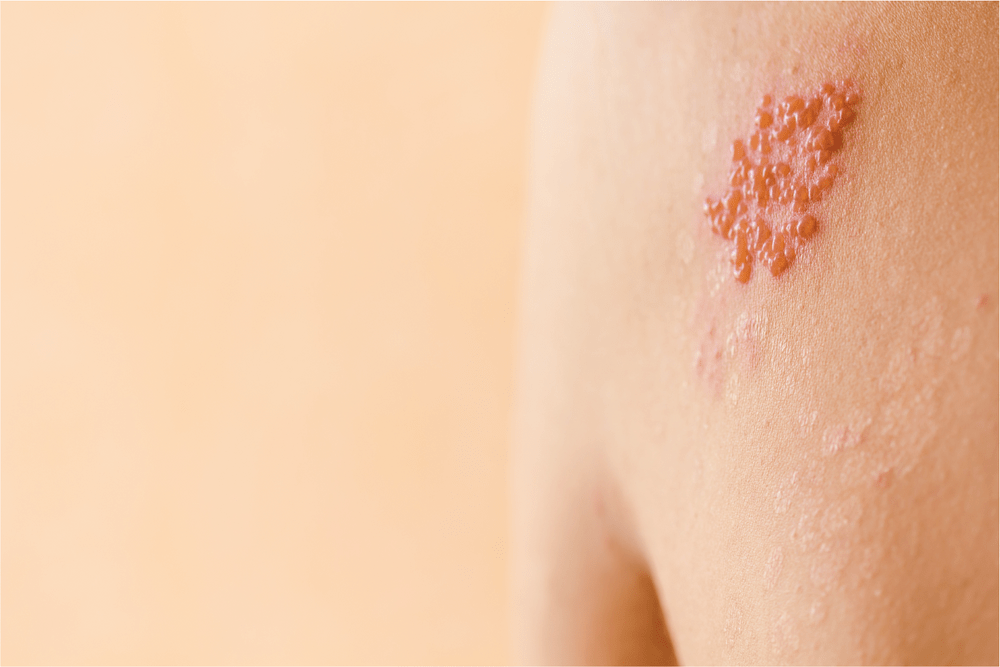
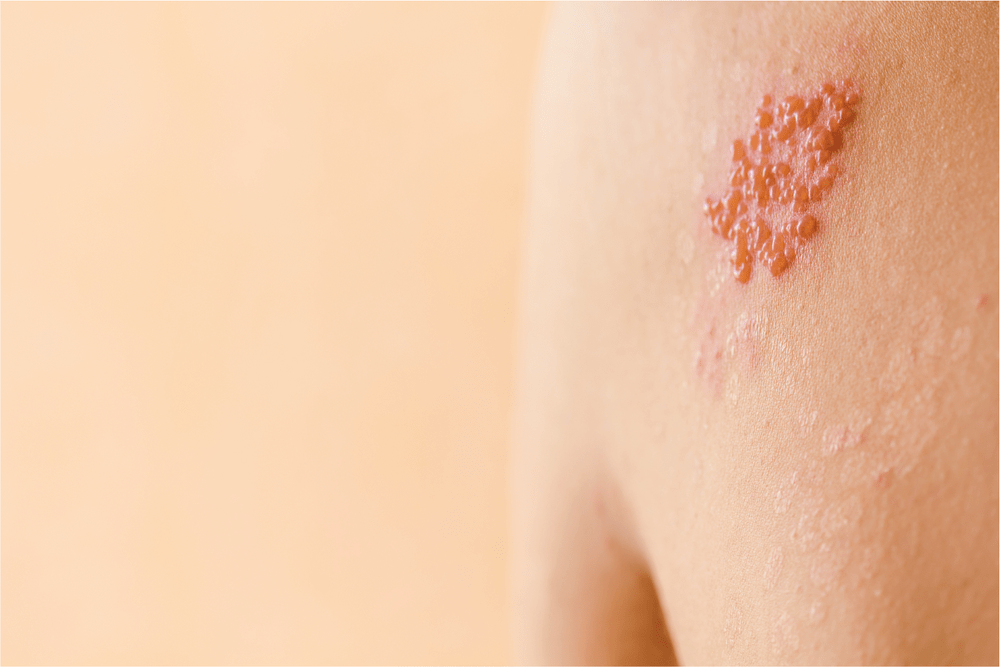
Shingles (Herpes Zoster) are caused by the reactivation of the varicella-zoster virus, the same virus that causes chickenpox. After you have had chickenpox, the virus lies inactive in nerve tissue near your spinal cord and brain. Years later, the virus may reactivate as shingles.
If you have been infected with chickenpox, you may develop shingles. The reason for shingles is unclear. But it may be due to lowered immunity to infections as you grow older, so it is more common in older adults and in people who have weakened immune systems. Age, daily stress, chronic diseases that weaken your immune system (such as cancer), long term use of immunosuppressants (such as oral steroids) are major risk factors.
2. Rash or fluid-filled blisters are not the first symptoms of shingles
Usual presentation could be itchiness or soreness over the skin of a certain part of the body at first, then rash or fluid-filled blisters may then appear, followed by numbness, tingling, burning, and even the throbbing sensation of electric shock. Blisters may then break open and crust over. Most commonly, the shingles rash develops as a stripe of blisters that wraps around either the left or right side of your trunk. Sometimes the shingles rash occurs around one eye or on one side of the neck or face. Some people also experience fever, headache, sensitivity to light and fatigue.
The fluid inside the blister on the skin is contagious. A person with shingles can pass the varicella-zoster virus to anyone who is not immune to chickenpox. This usually occurs through direct contact with the open sores of the shingles rash. Once infected, the person will develop chickenpox. Until shingles blisters scab over, a person with shingles is contagious and should avoid physical contact with anyone who has not yet had chickenpox or the chickenpox vaccine, especially people with weakened immune systems, pregnant women and newborns.
3. Shingles could not kill you though the pain could last long
Shingles is not a life-threatening condition, but it can be very painful. Most of the blisters on the skin are self-healed. However, the nerves may not heal on their own and may cause complications of long-term nerve pain (neuralgia). The pain may last for months or years. Even if touching the skin softly, the patient may occasionally feel enormous pain. If the pain and rash occur near an eye and are left untreated, this infection can lead to permanent eye damage.
4. First 72 hours after symptom appeared is the critical period
If you suspect having shingles, please seek professional help as soon as possible. Taking antiviral drugs within the first 72 hours after the onset of symptoms can shorten the blister period, relieve pain, reduce the chance of recurrence and transmission, and reduce the chance of neuralgia.
5. Prevention is better than treatment
Vaccines can help reduce the risk of shingles. The new zoster vaccine available in the market has a protection rate of more than 90% after completing the full course. Both men and women aged above 50 are suitable for vaccination. Even if patients develop shingles after vaccination, the chances for neuralgia and degree of pain are reduced. The shingles vaccine is used only as a prevention strategy. It is not intended to treat people who currently have the disease. Talk to your doctor about which option is right for you.
About the author
Dr Ivan Chow is a specialist in Family Medicine. He focuses on continuity of care and mental health. He is a sports lover.