Read More








HK movie producer Raymond Wong Pak-ming convicted of insider dealing
22-05-2026 17:10 HKT
Swire Properties wins compulsory auction for $2.02b Quarry Bay property
22-05-2026 20:36 HKT
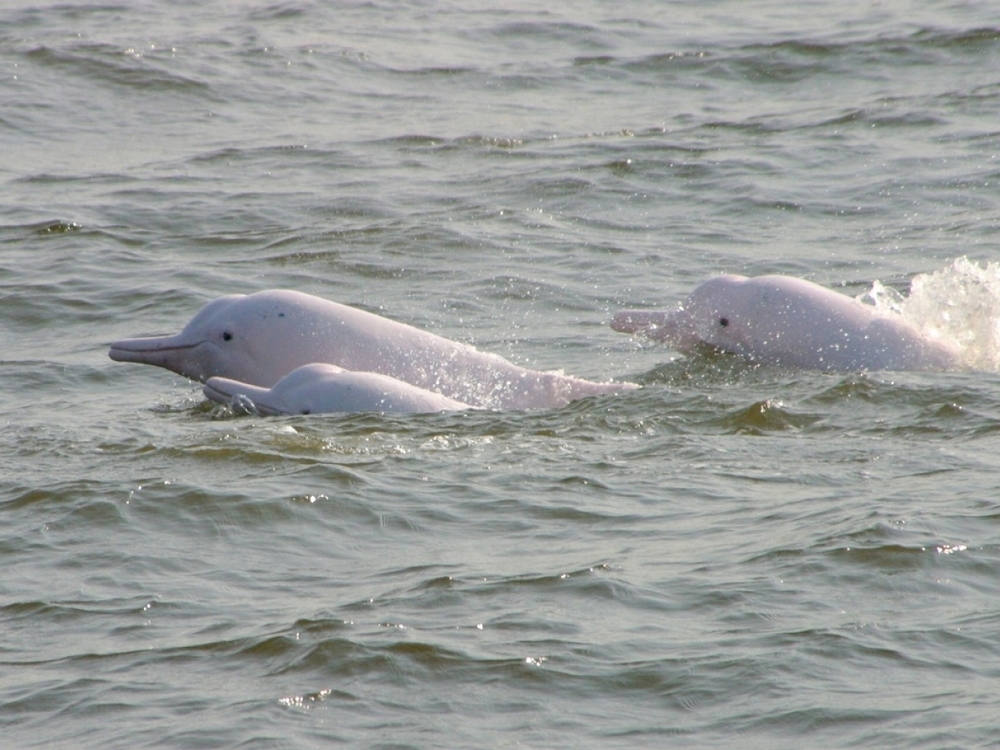
A dangerous toxin banned since 2008 has shown up in record concentrations in local Chinese white dolphins and finless porpoises, a new study has found, raising concerns that local seafood may be contaminated as well, RTHK reports.
Researchers from the University of Hong Kong said they found concentrations of the organic tin coupound triphenyltin (TPT) in an adult dolphin that was five times higher than the previous record found in any marine mammal anywhere in the world.
One finless porpoise had ten times the level of TPT than the highest concentration found in the same species in 2003.
The chemical has been used since the 1960s to protect ship hulls from barnacles and algae, and HKU professor Kenneth Leung said it is so toxic that it can prevent such growth for five years with one application.
The International Maritime Organisation banned the use of this family of compounds as ‘anti-fouling’ agents in 2008.
But Leung said because not all countries are part of this organisation, and the ban only applies to seagoing vessels, smaller vessels in some places still use TPT.
Even small concentrations of TPT can prove fatal to marine mammals, or cause hormonal changes and alter behavior.
Leung warned that higher concentrations of the chemical are likely to have a ‘negative health impact’ on larger mammals like humans, citing studies on rats that suffered impairments to their immune, neurological and reproductive systems after being exposed to organic tin compounds.
While the study did not extend to seafood, Professor Leung said people can minimise their risk of ingesting TPT by not consuming large fish in which the toxins accumulate – such as sharks and croakers.
He also urged people to avoid eating bottom-dwelling fish which are more susceptible to exposure to TPT.-Photo: HKU/RTHK