Read More
The Bank of Japan held firm with its rock-bottom interest rates Friday, resisting an intensifying global wave of central bank tightening and market pressure on the yen and government bonds.
ADVERTISEMENT
SCROLL TO CONTINUE WITH CONTENT
The central bank kept its policy settings for yield curve control and asset purchases, according to a statement Friday, in line with the forecasts of almost all surveyed economists.
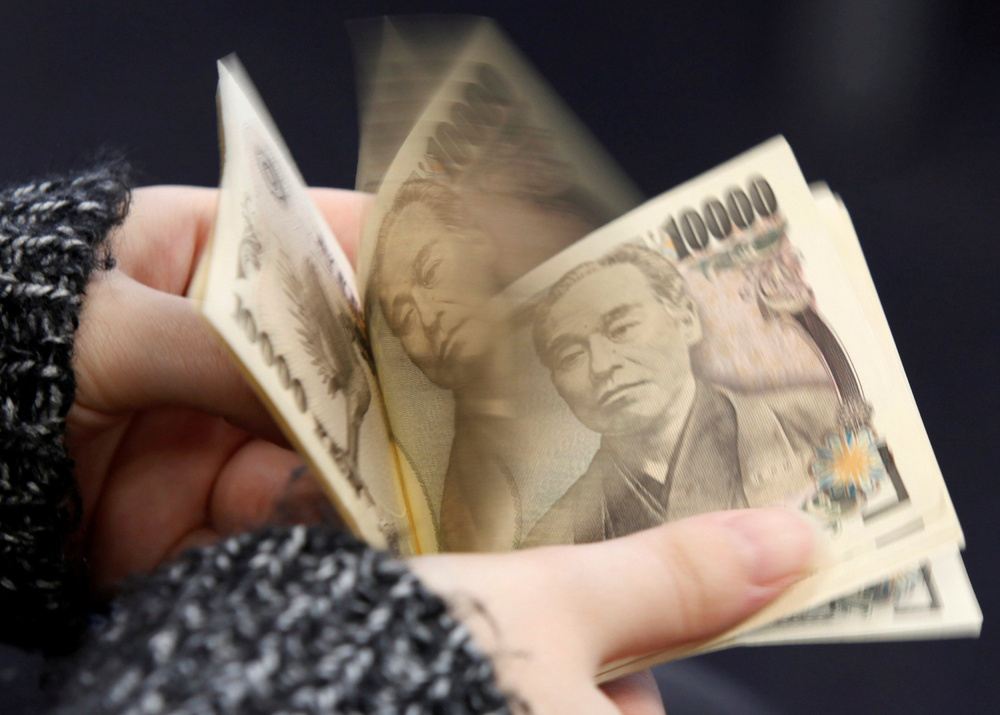
The decision triggered whiplash in the currency market before sending the yen lower against the dollar.
In a rare move, the bank added a reference to foreign exchange rates to its list of risks following the yen’s rapid weakening to its lowest level in 24 years earlier this week.
“In this situation, it is necessary to pay due attention to developments in financial and foreign exchange markets and their impact on Japan’s economic activity and prices,” the central bank said in its statement, referring to risks from commodities, Covid-19, the war in Ukraine and overseas economic developments.
Governor Haruhiko Kuroda is pushing back against mounting pressure to normalize policy as central banks race to raise interest rates and market bets mount against the BOJ’s ceiling on yields. With the policy gap with the Federal Reserve widening, the governor’s strong easing stance has led to a rapid fall in the yen, fueling concerns among businesses and households ahead of a key national election for Prime Minister Fumio Kishida.
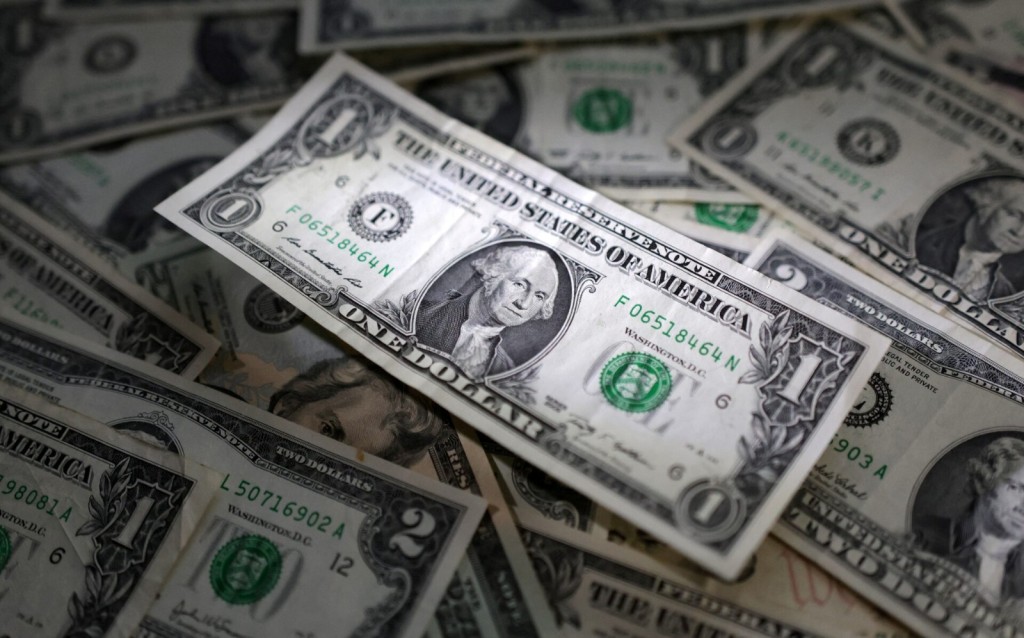
The yen was at around 134.07 at lunchtime against the dollar compared with 133.41 immediately before the decision after sharp gyrations in both directions. It remained off Wednesday’s 24-year low. After a battering earlier in the week, the currency has enjoyed some support after the Fed’s decision led to concerns over a possible US recession.
“The BOJ added language about foreign exchange markets following the earlier statement from the three-party gathering. That tells me they are getting more cautious and don’t want the yen to tumble to 140,” said Mari Iwashita, chief market economist at Daiwa Securities.
“Unless the government changes its stance on the BOJ’s role, the BOJ can’t initiate major changes by itself. I think that’s what foreign investors find hard to understand.”
Foreign funds have led the charge in betting against both the currency and the BOJ’s capacity to maintain yield-curve control. Speculators pushed Japan’s bond futures to the brink of a trading halt earlier in the week, as part of bets the BOJ’s pledge to cap yields at 0.25% is unsustainable.
Benchmark bond yields fell further below that level after the central bank announced a fixed-rate purchase operation for the afternoon.
By increasingly standing out as an outlier among global peers, Kuroda risks further criticism over the yen. The governor has insisted on keeping easing in place given the economy’s relatively slow recovery from the pandemic, warning that any premature tightening would weigh on growth.
The BOJ downgraded its assessment on production, exports and overseas economies, while taking an improved view of consumer spending. The downgrades offer some support for its view that the economy still needs help to recover.
The Fed raised interest rates by 75 basis points Wednesday, and more hikes are expected to come in the months ahead. The European Central Bank is en route to ditching negative rates by the end of September as it pledged to curb market stress at an emergency meeting this week. The Swiss National Bank surprised Thursday with the first rate increase in 15 years, while the Bank of England also pushed up rates again.
“The only concession made by the BOJ was a rare reference to the yen in its statement,” said David Forrester, a senior foreign-exchange strategist at Credit Agricole CIB in Hong Kong. “It will be important to see what Kuroda meant by ‘pay due attention to currencies’ in his press conference later today. I suspect the focus will be its impact on inflation.”
(Bloomberg)