Read More
The Federal Reserve took massive emergency action Sunday to try to help the economy withstand the coronavirus by slashing its benchmark interest rate to near zero and saying it would buy US$700 billion in Treasury and mortgage bonds.
ADVERTISEMENT
SCROLL TO CONTINUE WITH CONTENT
The Fed’s surprise announcement signaled its rising concern that the viral outbreak will depress economic growth in coming months, likely causing a recession, and that it’s poised to do whatever it can to counter the risks. It cut its key rate by a full percentage point to a range between zero and 0.25 percent.
The central bank said it will keep its rate there until it is “confident that the economy has weathered recent events.”
The Fed will buy at least US$500 billion of Treasury securities and at least US$200 billion of mortgage-backed securities. This amounts to an effort to ease market disruptions that have made it harder for banks and large investors to sell Treasuries as well as to keep longer-term rates borrowing rates down.
The new purchases will be similar to the several rounds of “quantitative easing,” or QE, that the Fed conducted during and after the Great Recession to bolster the financial system and the economy. Chairman Jerome Powell, in a conference call with reporters, said the Fed’s new purchases are intended to ensure that credit markets function properly.
Shoring up the Treasury bond market and other sources of credit, Powell added, is vital to the health of the economy.
Powell warned that the economy would likely shrink in the April-June quarter because of the widespread shutdowns from the coronavirus and a broad pullback in consumer spending. He noted that the necessary behavioral changes being made across the country to stem the outbreak — an avoidance of travel, shopping and mass gatherings — are inherently harmful to the economy, which he said had been in solid shape before the virus hit.
“Ultimately, the virus will run its course and the U.S. economy will resume a normal level of activity,” Powell said, though he didn’t speculate on when the rebound might occur.
“The virus is having a profound effect on the people of the United States and across the world,” Powell said. The primary response will need to come from health care providers, he stressed, as many experts have.
Still, he added that “economic policymakers must do what we can to ease hardship caused by disruptions to the economy, and support a swift return to normal once they’ve passed.”-AP
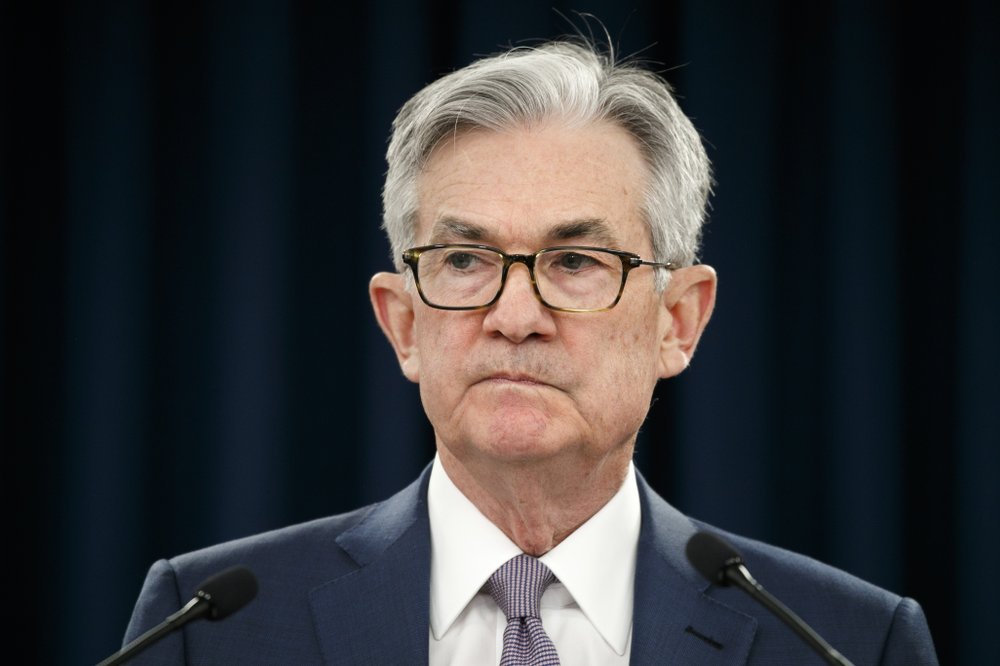
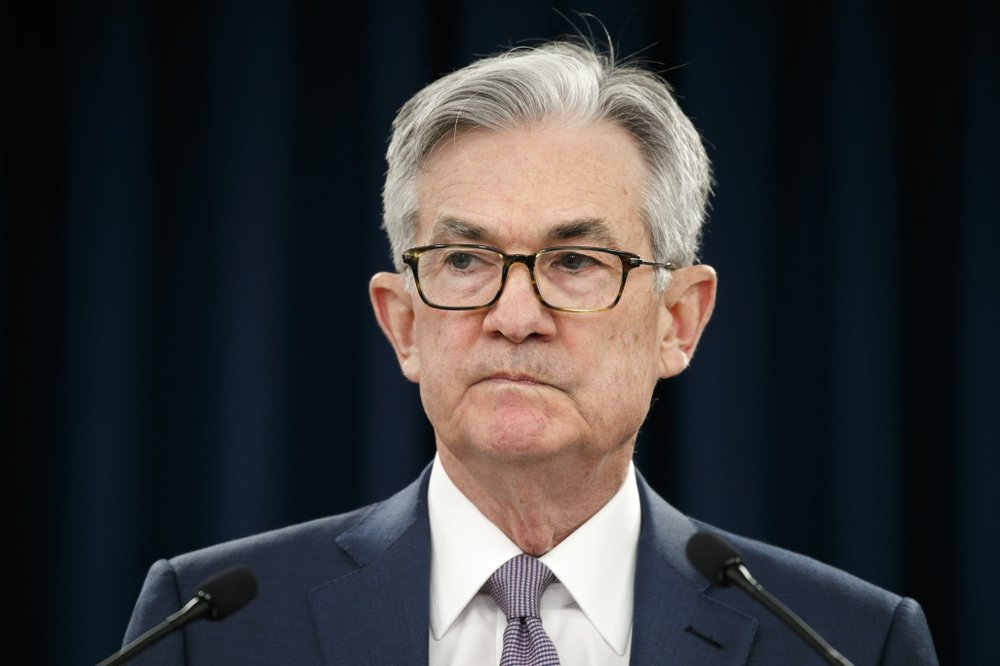
Federal Reserve Chairman Jerome Powell. The Fed cut the benchmark interest rate to near zero and saying it would buy US$700 billion in Treasury and mortgage bonds.