Read More



Night Recap - June 10, 2026
7 hours ago

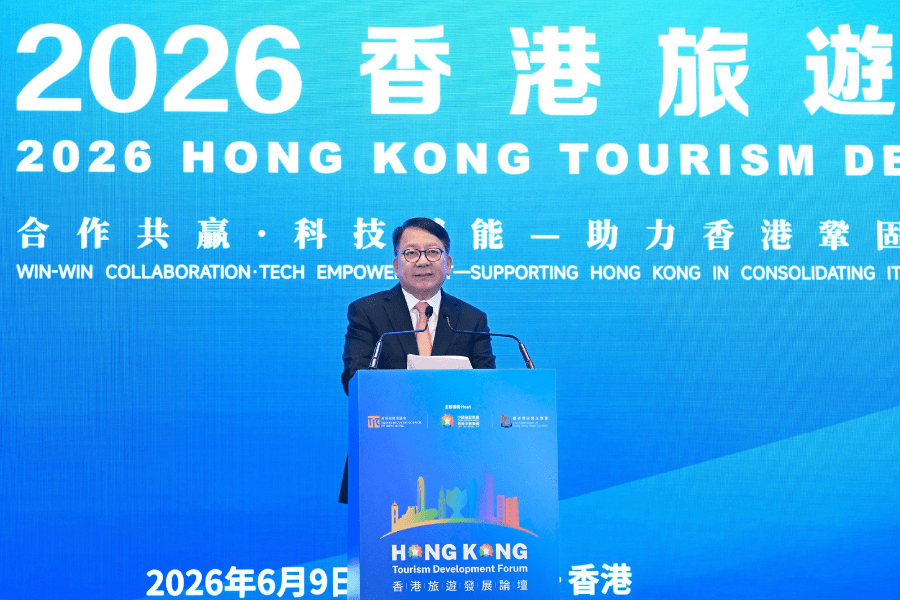


Bowie Woo, 94, sets Guinness World Record at star-studded concert
08-06-2026 18:03 HKT
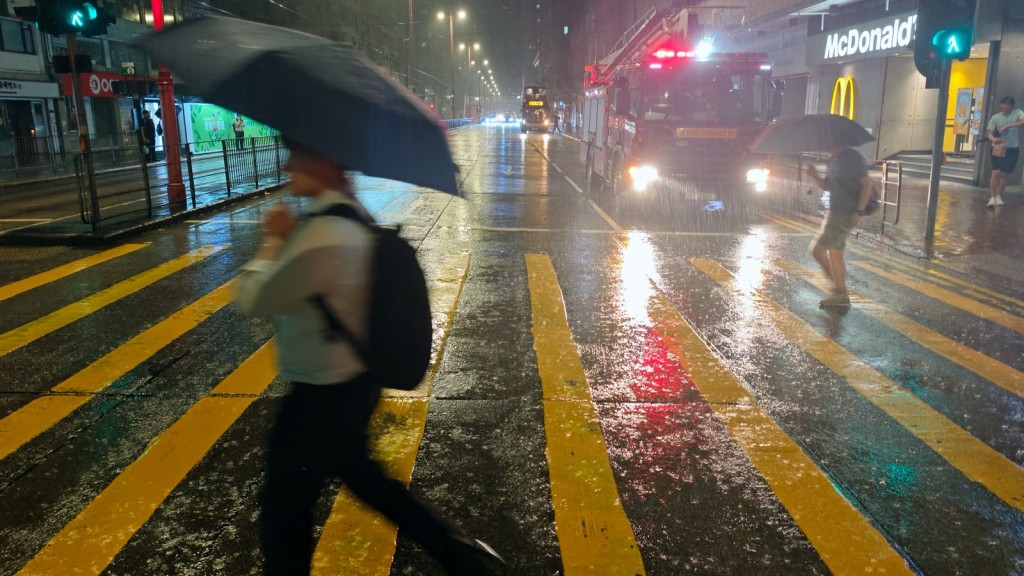
Nine days of rain ahead as temperatures dip, Observatory says
09-06-2026 17:35 HKT
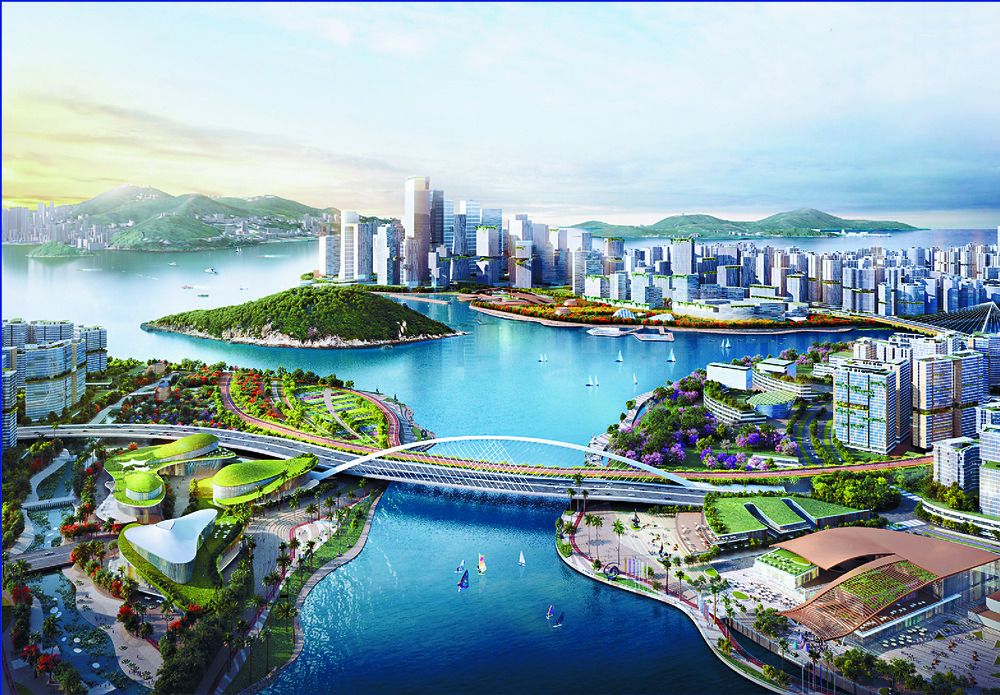
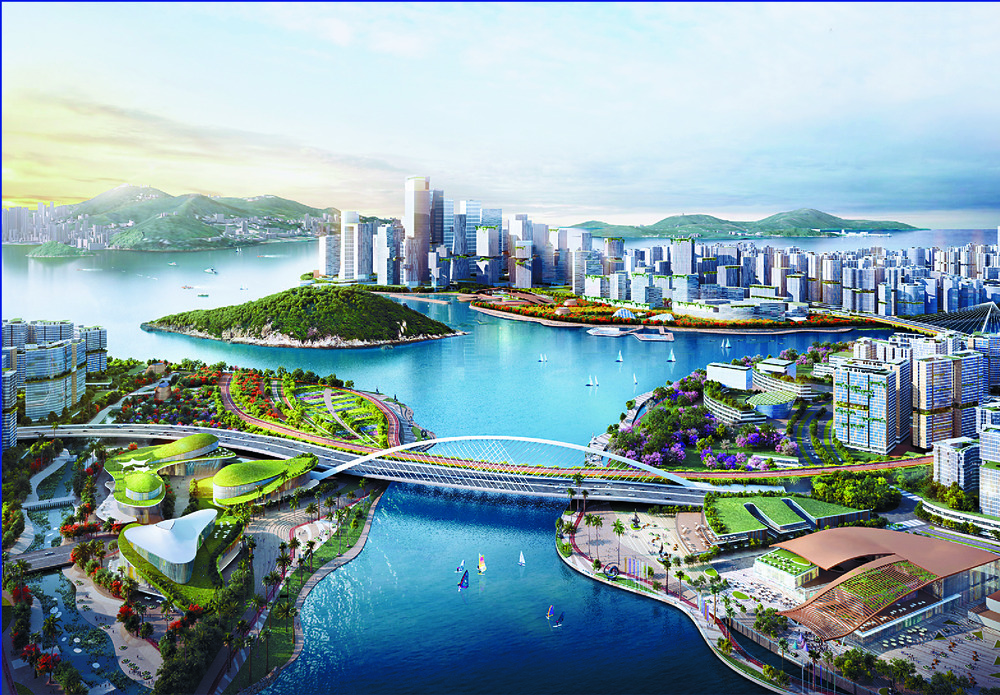
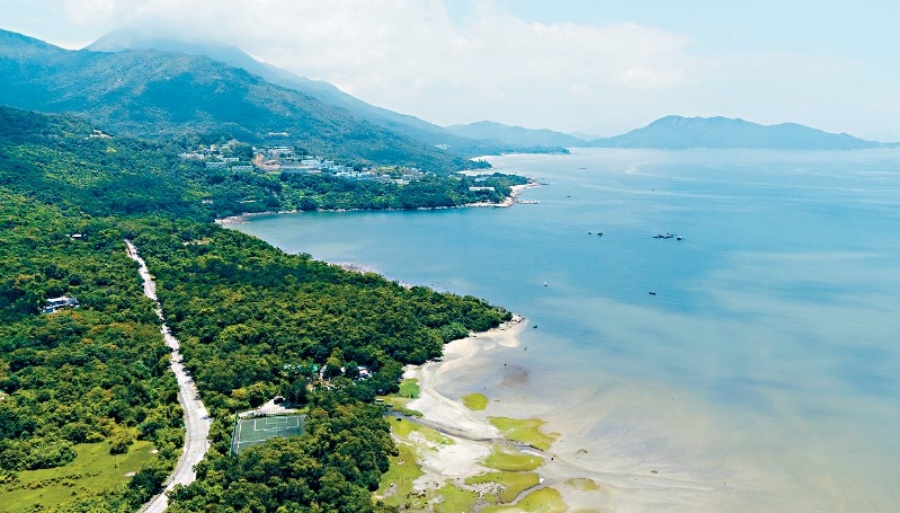
The construction cost for three artificial islands under the Lantau Tomorrow project has risen to HK$580 billion from HK$500 billion, while projected revenue from land sales had been cut by nearly HK$400 billion.
The proposals were under four main usage concepts.
The project will involve reclamation of 1,000 hectares of land split between residential infrastructure, commercial areas and government and institutional use.
On costs, reclamation is expected to cost about HK$580 billion, with HK$200 billion earmarked for transport infrastructure. The HK$80 billion was added to the HK$500 billion cited in September 2018 following civil engineering indexes produced in the second quarter of this year.But the Development Bureau said land sales revenue would still exceed construction costs even after a HK$400 billion cut.
Land sales revenue was estimated to reach up to HK$1.14 trillion by the Hong Kong Institute of Surveyors in February 2019, but that has now been adjusted to HK$750 billion.Upon full development of the islands, a bureau spokesman said, economic activities would generate some HK$200 billion annually, amounting to 7 percent of Hong Kong's gross domestic product.
The head of land and housing research at project promoter Our Hong Kong Foundation, Ryan Ip Man-ki, said the increase in costs was understandable.But Chan Hall-sion, a senior campaigner for Greenpeace, questioned whether officials were being optimistic about costs. She said the project could cost as much as HK$640 billion after inflation was taken into account
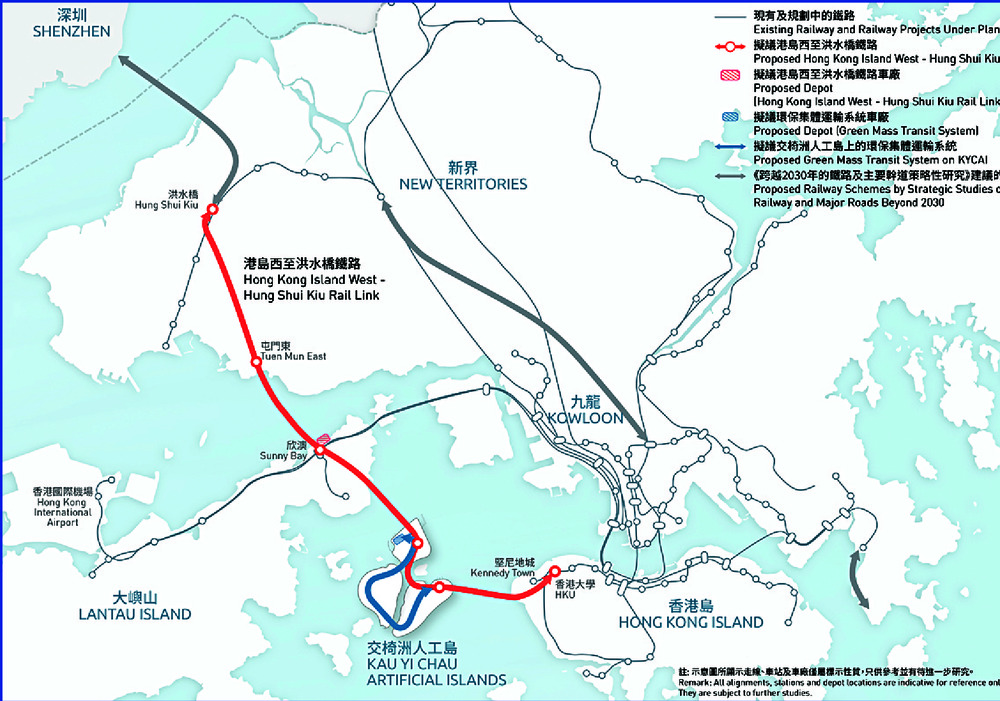
Chan also argued that making good use of brownfield sites would be more cost-effective and faster than reclamation, and added it was questionable whether authorities had underestimated the project's impact on the environment, citing the bureau's claims that reclamation works could not have "insurmountable impacts" on ecology.On transportation, the three new islands will be linked by a transit system connected to a 30-kilometer rail route.
The railway link would stretch from Hong Kong Island's west to Hung Shui Kiu in Yuen Long via two of the new islands instead of the River Trade Terminal in Tuen Mun as previously proposed.Authorities are also planning to erect the Hong Kong Island West-Northeast Lantau Link - a 13-kilometer road route in the form of viaducts or tunnels.
What is presently labeled Island C, the northernmost in the new cluster, will be the first to be set up, a bureau spokesman said yesterday. The link should also be able to connect to Hong Kong International Airport, Zhuhai and Macau through the Zhuhai-Macau Bridge, and to Qianhai and Shenzhen.In addition to public expenditure, administration officials will consider financing the transport projects by issuing bonds, public-private partnerships and a build-operate-transfer model to construct the roads while there would be a rail-plus-property model for railways.
Roundtable legislator Michael Tien Puk-sun said the previous route linking the River Trade Terminal would have improved traffic and that the new route ignored the needs of Tuen Mun residents.Tien also said the revised plan did not make full use of new railway lines.
cjames.lee@singtaonewscorp.com