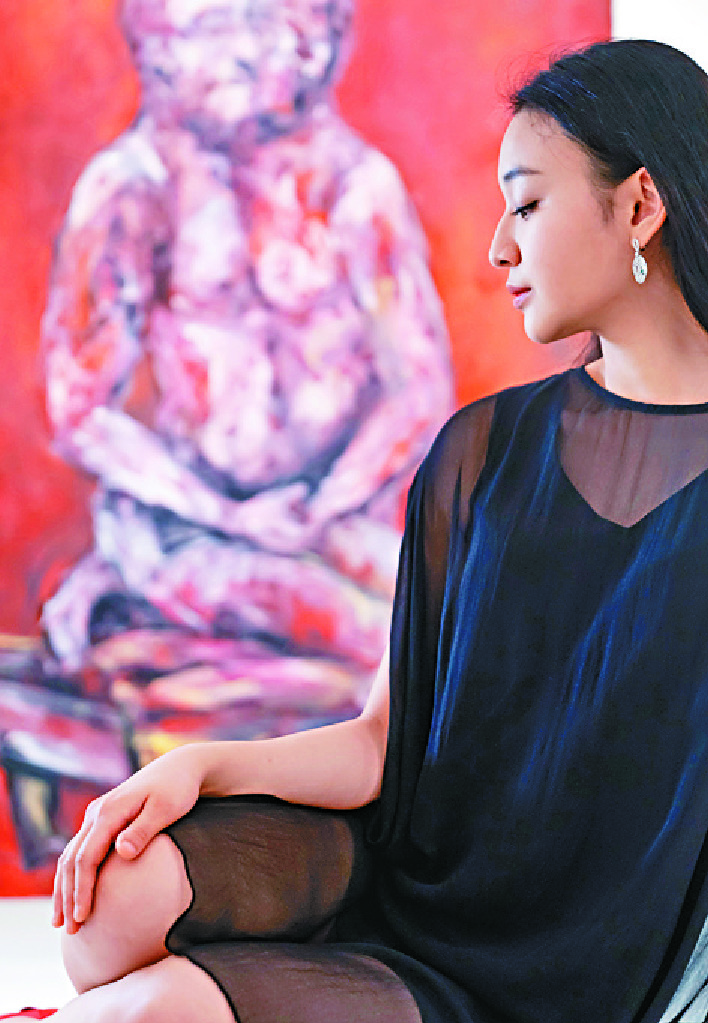
In Japanese culture, seiza refers to the traditional position where one sits on folded legs with palms facing down. It is generally considered to convey respect, devotion and a compliance with social decorum.
ADVERTISEMENT
SCROLL TO CONTINUE WITH CONTENT
Born to Japanese and Hong Kong parents, Mizuki Nishiyama's background lent her perspective on the social, cultural and political constraints often imposed on Asian women.
"From a mixed Japanese female perspective, the physicality of the seiza position is a mixture of modesty and confrontation. The shoulders frame the being into a statue that is seemingly within the shadows and yet bold," said Nishiyama.
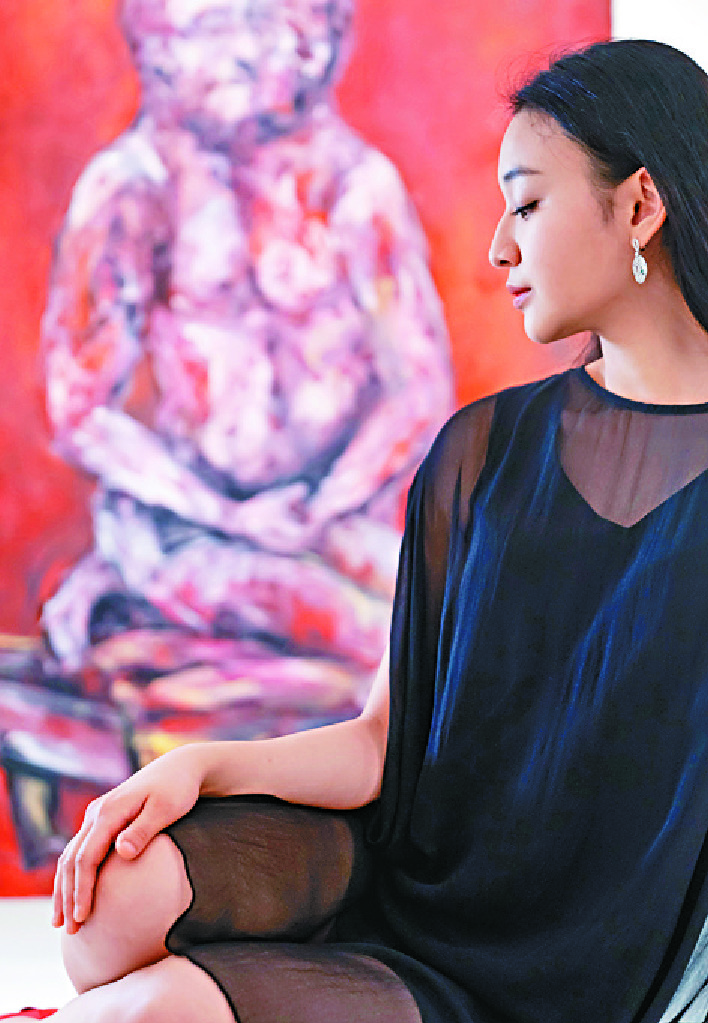
Drawing references from her background, Nishiyama presents Seiza, Transgressing the Seated Body. The exhibition of 10 paintings explores the fragility of the human condition and modern gender politics.
"The series explores the constriction and liberation you face as a mixed Japanese woman," she said. "It is a multifaceted journey and each piece explores the sense of invitation, frustration or tenacity in regard to reclaiming injustices and ideas toward her."
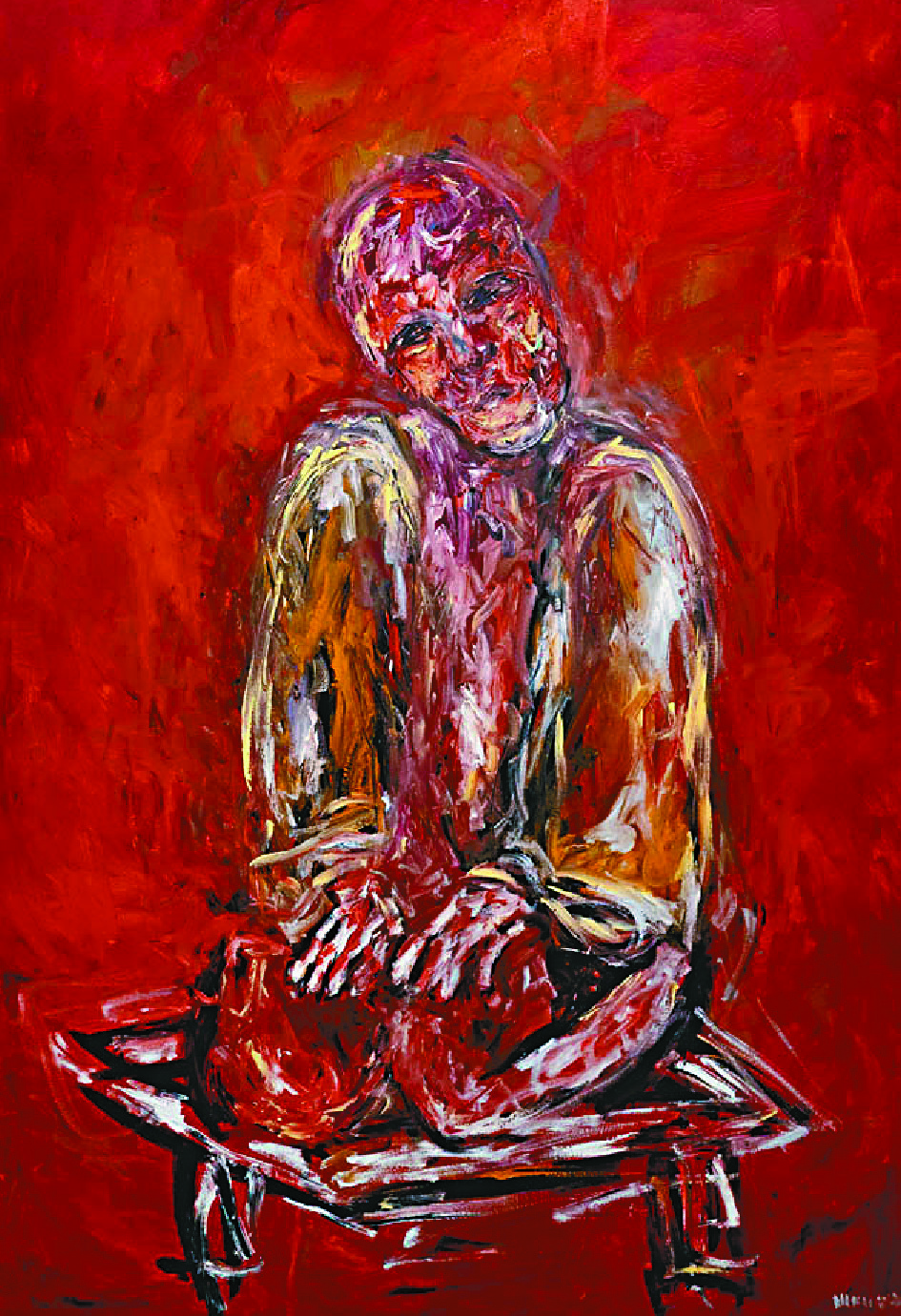
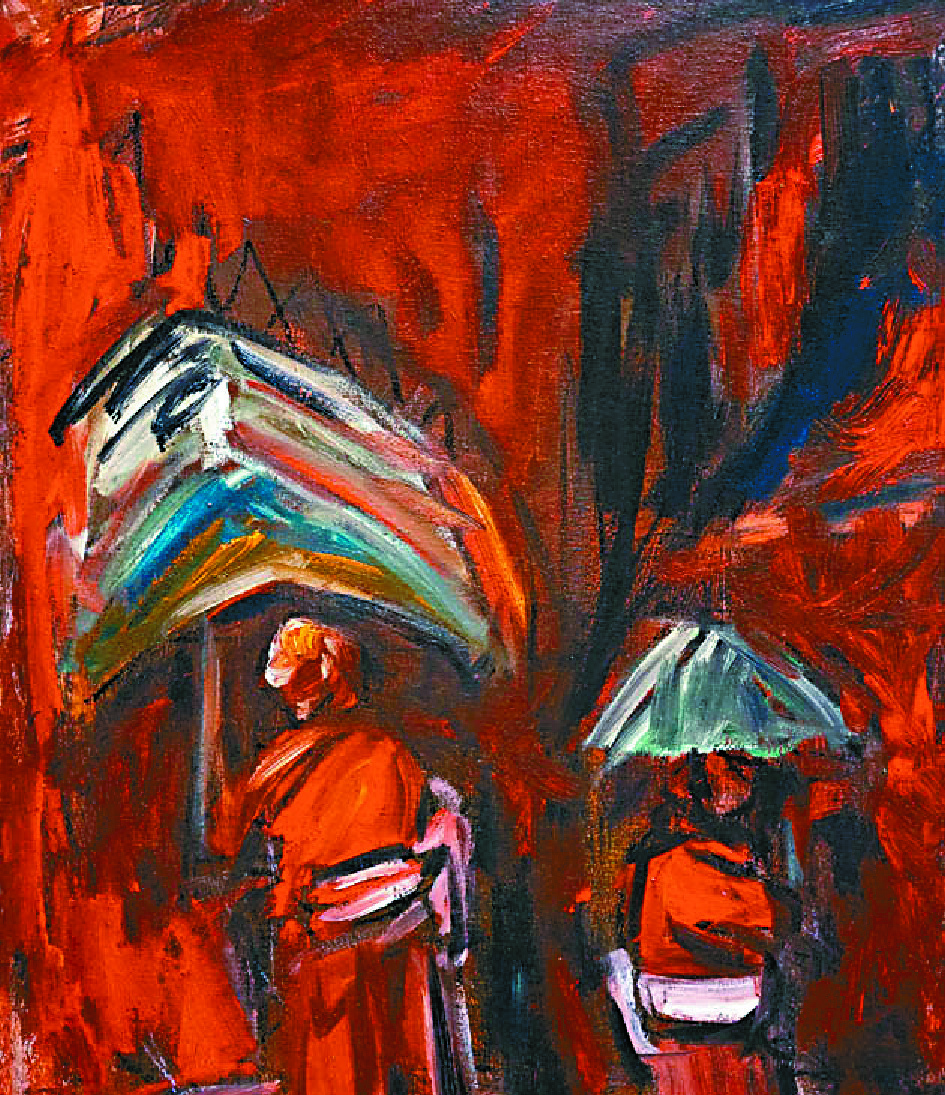
In Sitting, Waiting, the female figure in seiza is expressed through broad and gestural strokes of crimson.
"I depicted a figure with feminine flair, sharing a coyness and allure with the slight cock of the head and the tightly pressed fingertips on the knees," said Nishiyama.
The painting evokes a desire to liberate the female body from restrictive cultural norms.
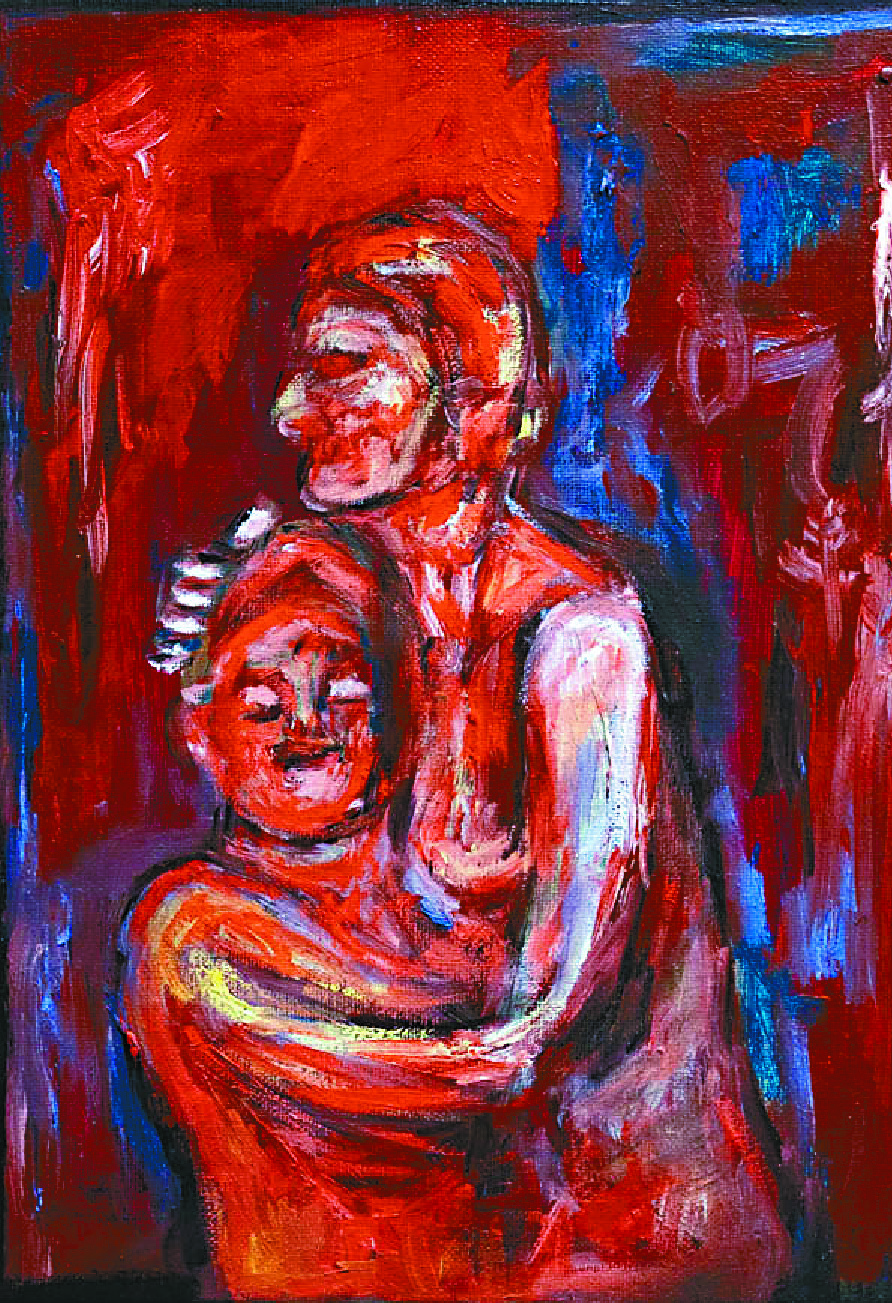
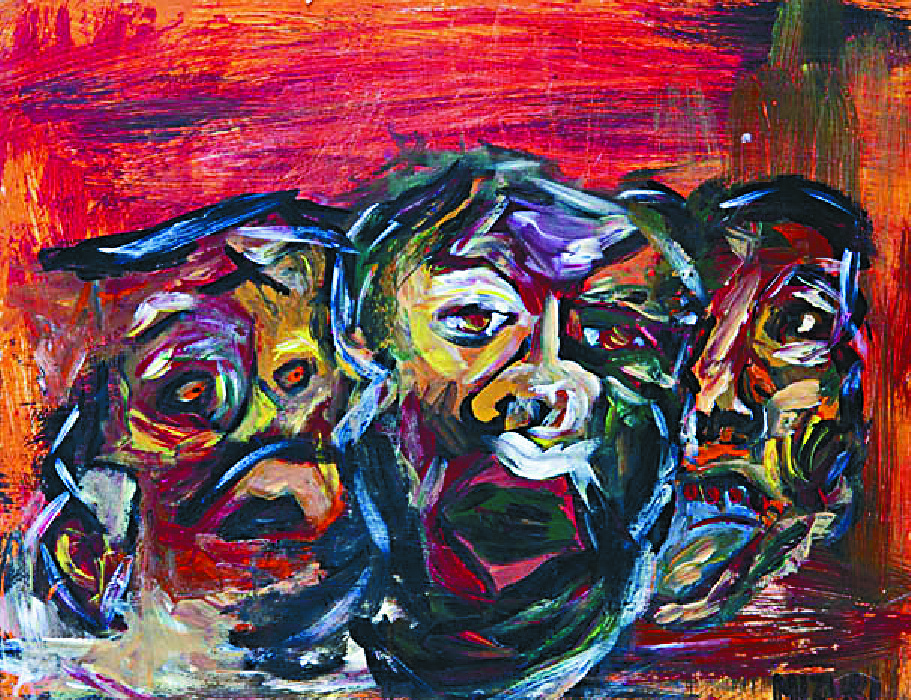
Splice features two gender-neutral figures, conjoined in seiza on a chabudai, a table used to serve tea in Japan.
"Their placement on a chabudai suggests they are being served or gazed upon," said Nishiyama. "There is also a Japanese term, chabudai gaeshi, which means overturning a table as an expression of anger, frustration and disapproval. To me, this is an action that underlines the fragility of Asian masculinity."
Combining unrefined lines with the liberal use of red makes for a raw visual narrative of the female body. "Fundamentally, femininity and monstrosity go hand in hand - the beautiful and the grotesque as something riveting," she added.
"Aristotle once noted that a woman's body is monstrous by nature, a deviation from that of the normative male."
Nishiyama's style emulates that of German expressionism, which is characterized by simplified shapes and brushstrokes to evoke inner emotions. She said: "My research is heavily influenced by Georges Bataille, Yukio Mishima and Marquis de Sade's works. All these writers have used the concept of bodily invasion as an impacting way to trigger and confront important topics."
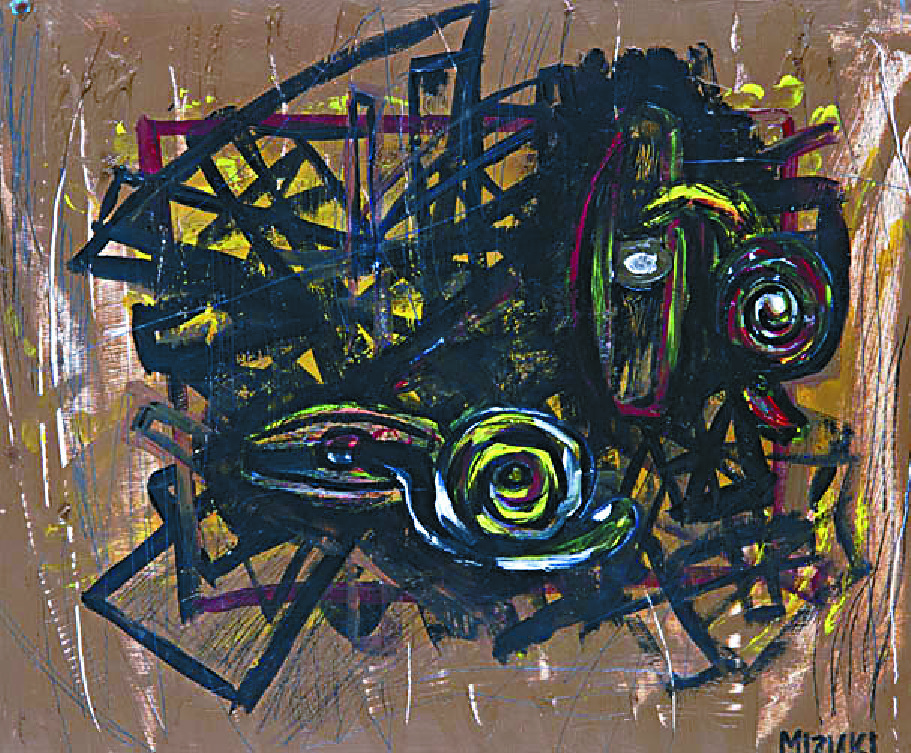
Snails In Her Eyes, despite being an outlier in the Seiza series, is reflective of the bodily horror explored by Nishiyama. Painted on wood, the work creates discomfort for viewers through the placement of the eyes - a sensitive and fragile part of our body - in conjunction with the monstrous imagery of slime and insects.
"Art is quite invasive," said Nishiyama. "But with good intentions, I want the audience to feel it in their own way, see it, absorb it. All responses are valid because we are exploring humanity. There are no wrong answers."
The New York-based artist hopes to shake up the Hong Kong art scene. "Hong Kong is still quite conservative, especially when surrendering to art. I would like to see more aggressive and impassioned responses to life through different mediums of art," she said.
"By physically bringing the artworks here, conversations will inherently form internally. Perhaps it is a sense of curiosity and thrill to see how it may impact each person."
The exhibition also features more intimate touches. Okasan illustrates Nishiyama's relationship with her mom, an abstract landscape painter, while When in Kyoto explores her cultural background.
Seiza, Transgressing the Seated Body will be showing in a|n Gallery until April 8.