For years, Hong Kong’s cosplay community was something some fans kept hidden.
ADVERTISEMENT
SCROLL TO CONTINUE WITH CONTENT
Costumes were tucked away at home. Wigs were concealed in bathrooms. Some cosplayers would only change after arriving at a shooting location, careful not to let their families know about a hobby once dismissed as little more than dressing up.
Twenty years after first entering the scene, Hong Kong cosplayer Ar Lu has watched that attitude change.
Now, she and her partner, Ronnie Kui, have taken that journey to the world stage.
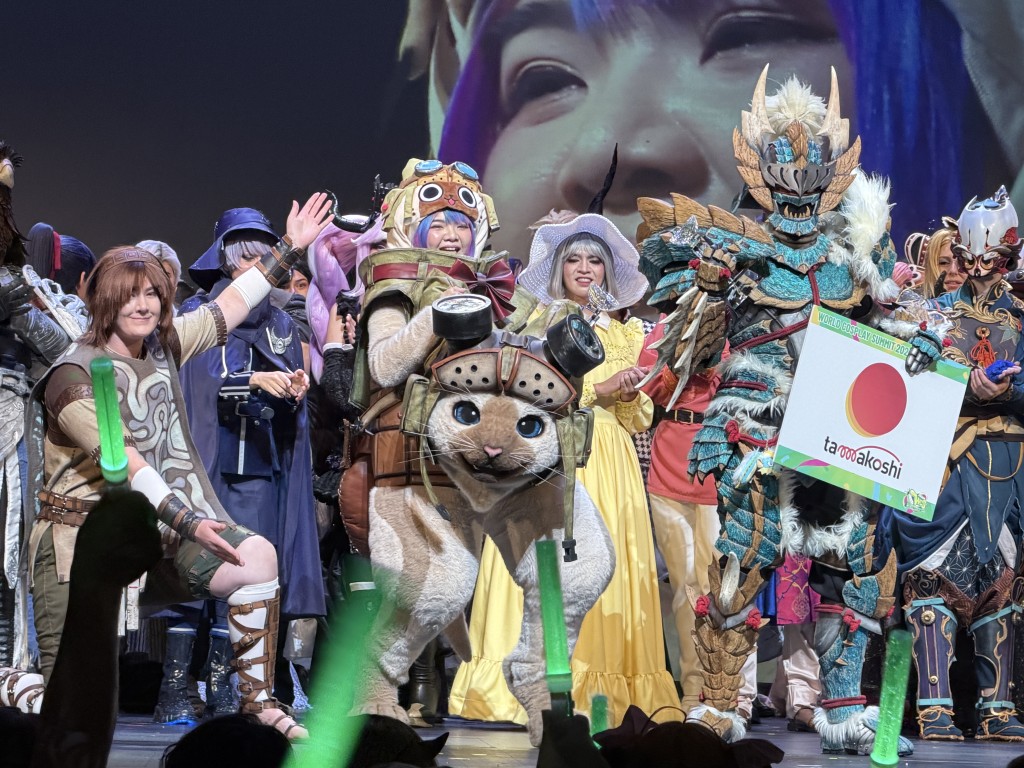
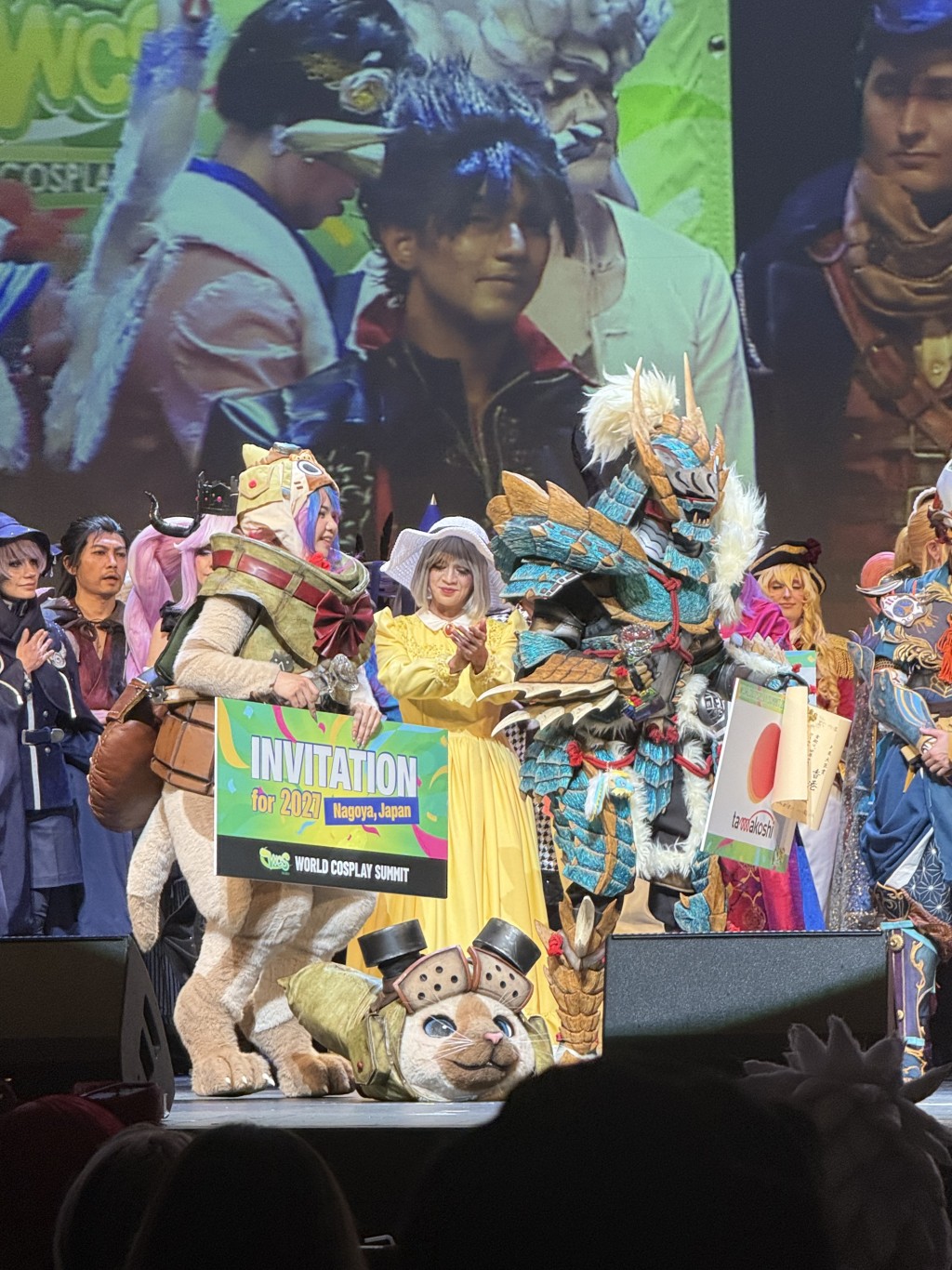
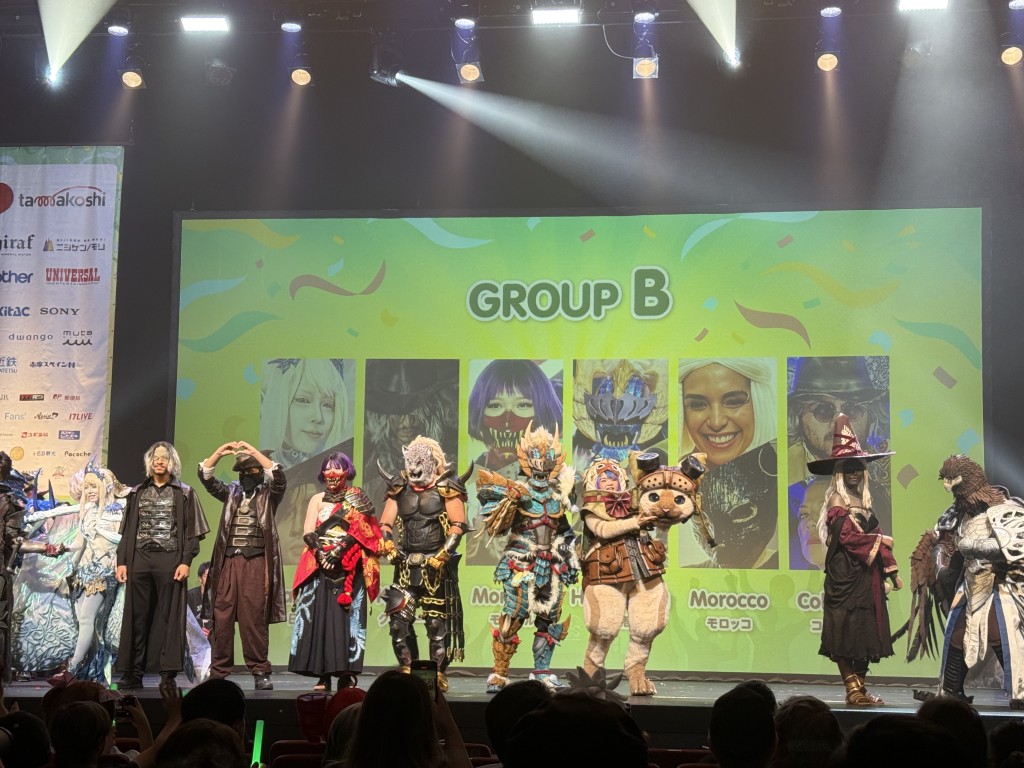
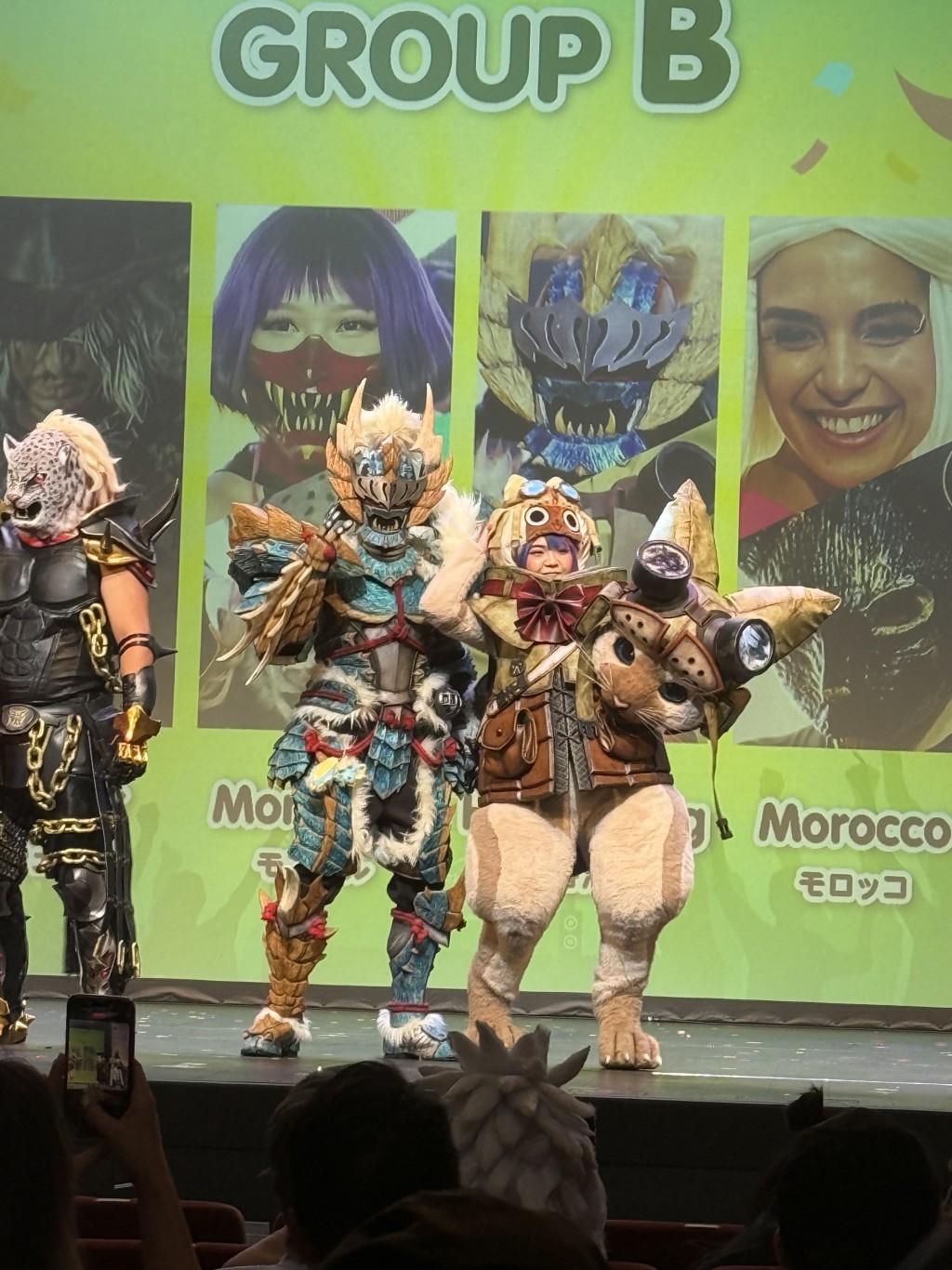
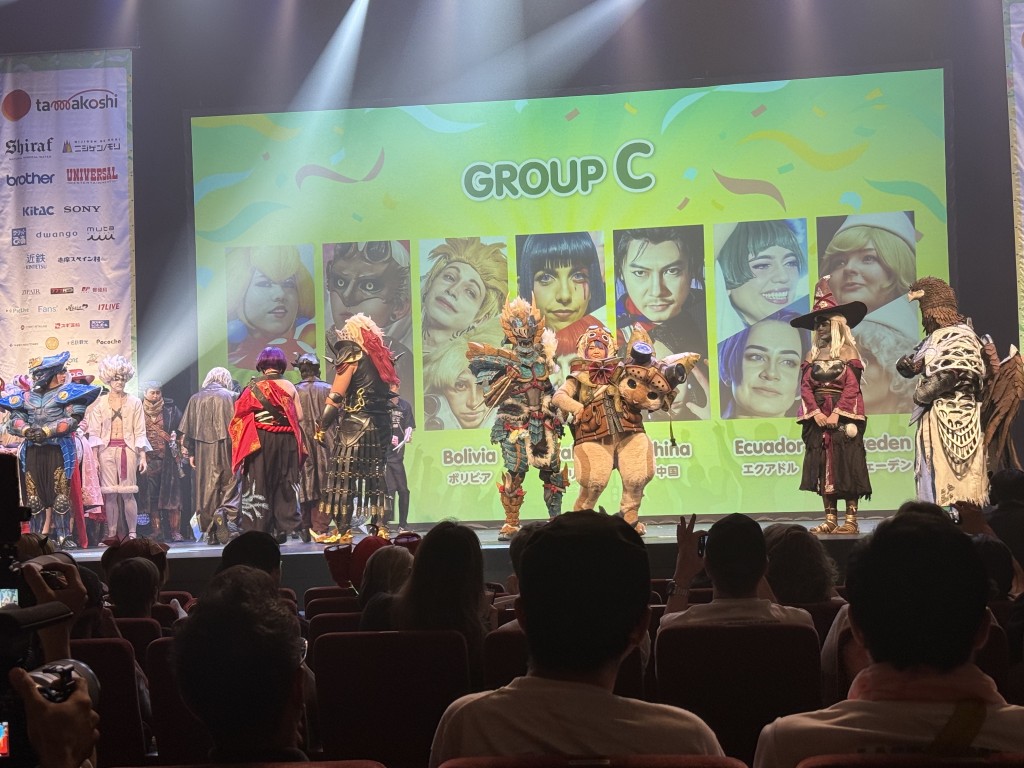
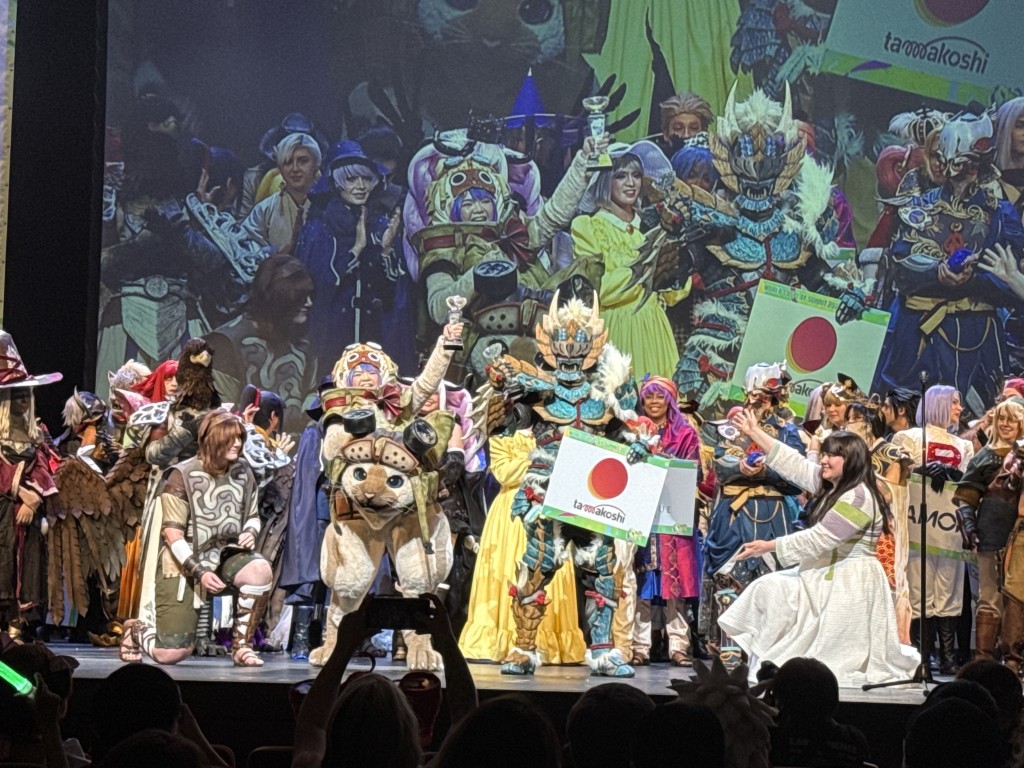
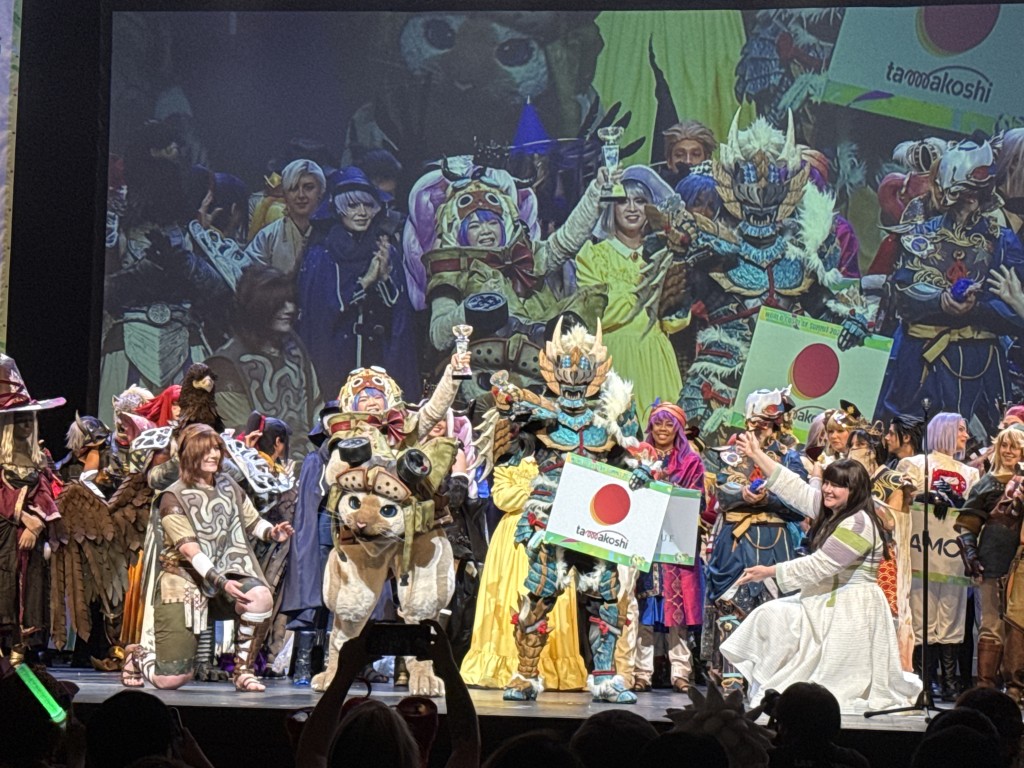
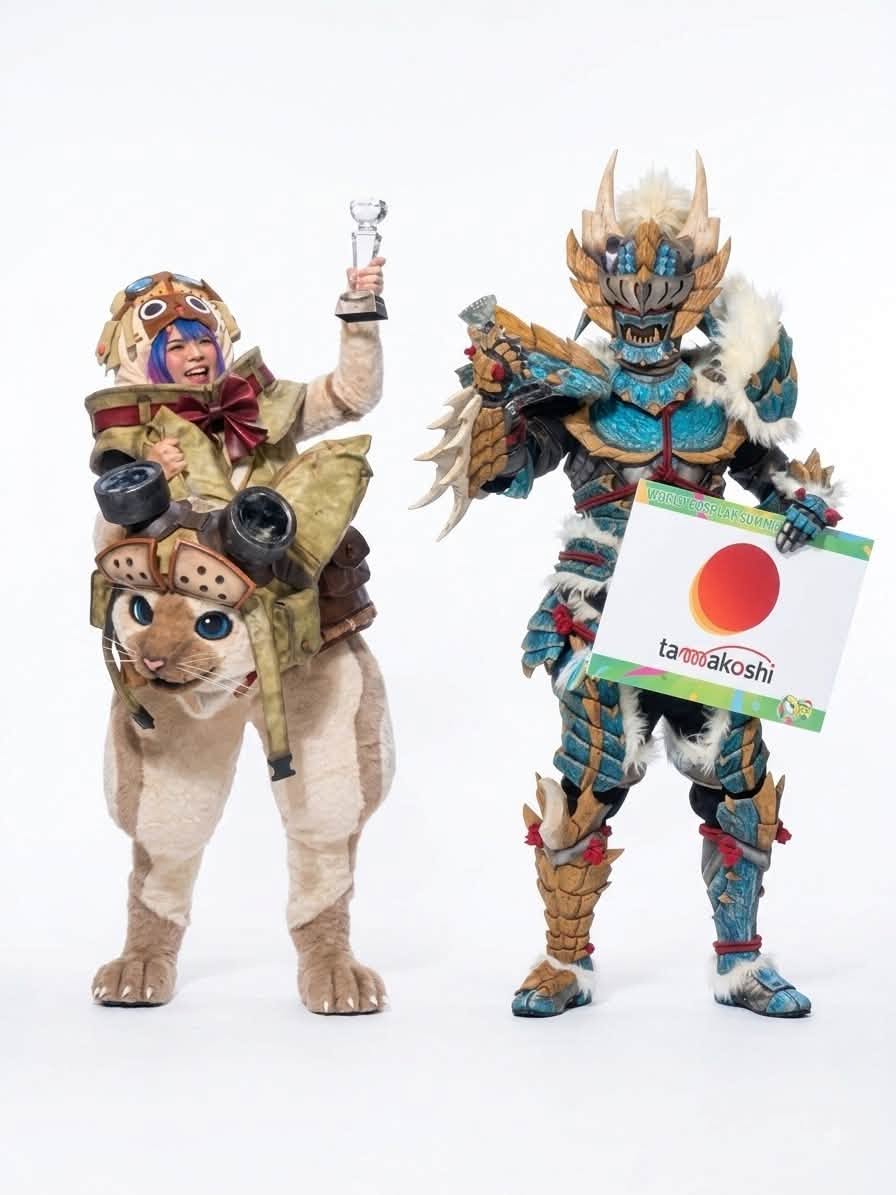
The pair were crowned Grand Champions at the 2026 World Cosplay Summit in Nagoya on August 2, beating teams from 40 countries and regions with a Monster Hunter-inspired performance.
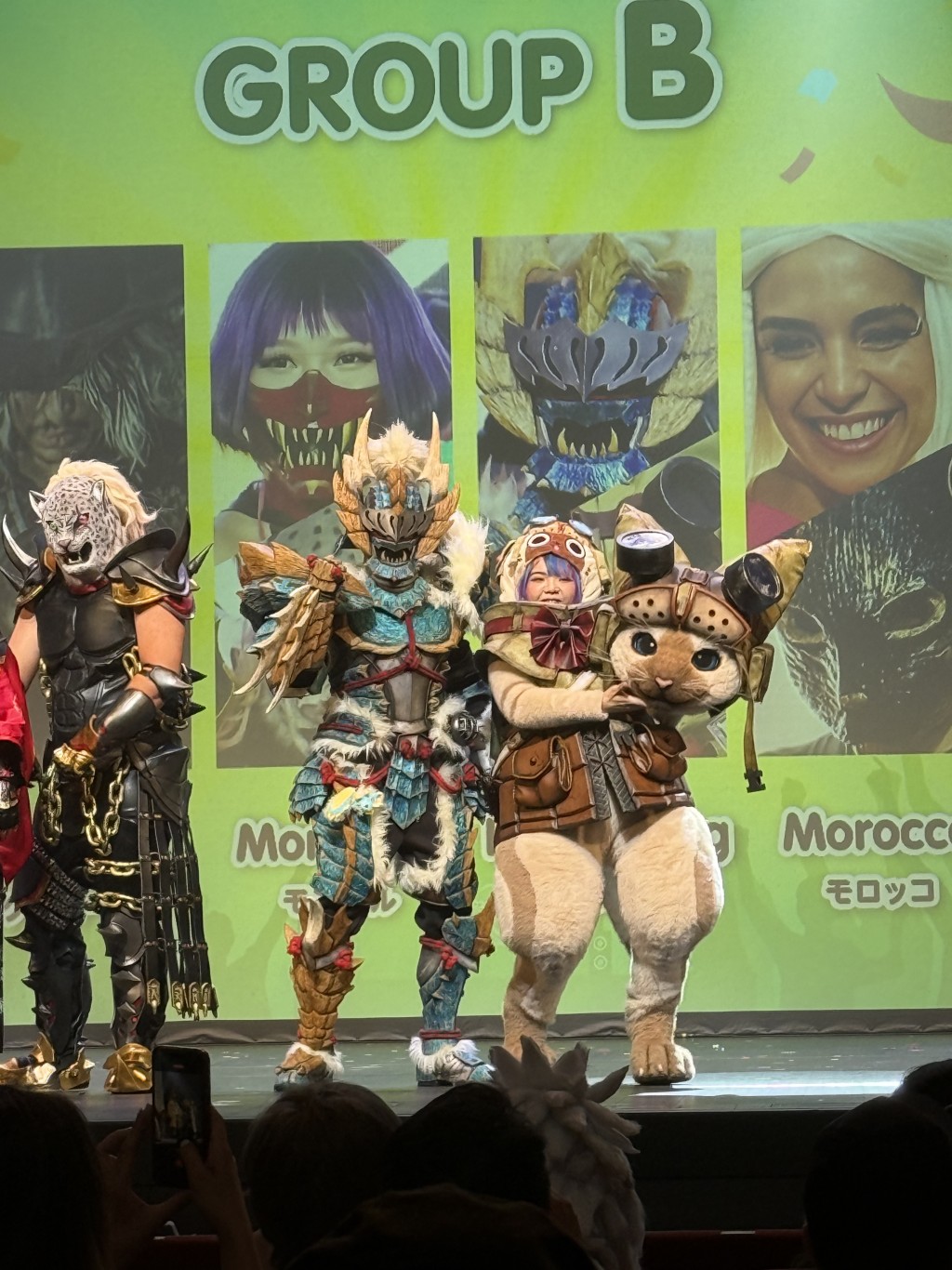
Ar Lu played Felyne, the series’ iconic cat-like companion, while Ronnie portrayed the Hunter in an intricately crafted Zinogre armour set, with Hong Kong’s Lion Rock featured in their stage effects.
Their victory was more than a personal milestone.
In an exclusive interview with The Standard, the duo reflected on how Hong Kong’s once-niche cosplay scene has grown into a much broader community, bringing together different generations of cosplayers and reaching international stages.
+2
More than a costume: One year behind the scenes
Reaching the world stage required far more than wearing a convincing costume.
Furry cosplay comes with different challenges from portraying human characters, Ar Lu said, requiring closer attention to body proportions, movement and mannerisms.
For her Felyne costume, she studied the shape and movement of real cats, adding prosthetics to recreate their feet and practicing the cat’s gait and mannerisms.
“You have to pay attention to their proportions, movement and mannerisms. Our natural way of walking is already a habit, so you need to put in extra practice to change it,” she said.
She also spent considerable time refining the costume to better recreate the character, including the shape of the feet.
The costume presented a more practical challenge too: heat. Covering the human body to create a convincing animal character can make performing particularly uncomfortable, she said.
The few minutes on stage were the result of about a year of work, with the pair going beyond costume-making to build their own props, develop the script and dialogue, and learn stage effects from scratch through YouTube tutorials.
Ar Lu focused mainly on sewing and costume construction, while Ronnie, who teaches drums, worked on the sound, screen effects, stage design and voice-over. They also shared tasks such as painting and prop-making.
Their partnership extends beyond cosplay: the pair are also a couple. They admitted they sometimes argue over their cosplay ideas, especially when an ambitious concept proves difficult to bring to life. But their disagreements rarely last more than 10 minutes before they cool down and work out a solution together.
They experimented with fluorescent paint to bring elements such as butterflies, a dragon and Hong Kong’s Lion Rock into the performance, while learning how to build the technical effects needed to bring their ideas to life.
They also had to prepare for the unpredictability of a live competition.
The pair worried about everything from props being damaged during transport to Japan to electronic effects failing on stage. They carried repair tools and prepared backups in case the lighting, costumes or technical effects did not work as expected.
From hidden hobby to wider community
The crowds at major ACG events reflect how far Hong Kong’s cosplay scene has come. Social media has also helped bring cosplay beyond convention halls, exposing it to audiences who may not consider themselves part of the fan community.
But turning cosplay into a full-time career remains difficult in Hong Kong. Ronnie cited the city’s high cost of living as a major barrier to relying on cosplay as a sole source of income. Both have jobs outside the cosplay scene, often using their sleeping hours to make costumes and props.
For Ar Lu, Hong Kong’s access to information, online shopping and a wide range of materials has helped create a diverse scene. As she puts it, “if you can name a character, there may be someone in Hong Kong cosplaying it.”
She hopes more local cosplayers will enter competitions, which she believes offer opportunities to learn stage design, costume-making and performance skills, as well as exchange techniques with overseas teams.
She also sees a role for schools and organizations in offering more workshops and competitions to help newcomers learn.
Their next goal is to pass on what they have learned to the next generation of cosplayers — from choosing the right materials and mastering basic techniques to staying safe while in costume.
“Cosplay is not difficult to get into, and it’s worth giving it a try,” Ar Lu said.
For now, winning the world title has brought them a bigger stage, more interviews and television appearances — but not necessarily more sleep.
Photo provided by Ar Lu and Ronnie
Photo provided by Ar Lu and Ronnie
The Standard will continue to bring you exclusive interviews every Friday, offering a closer look at the people, stories and ideas making headlines in Hong Kong and beyond.