Read More
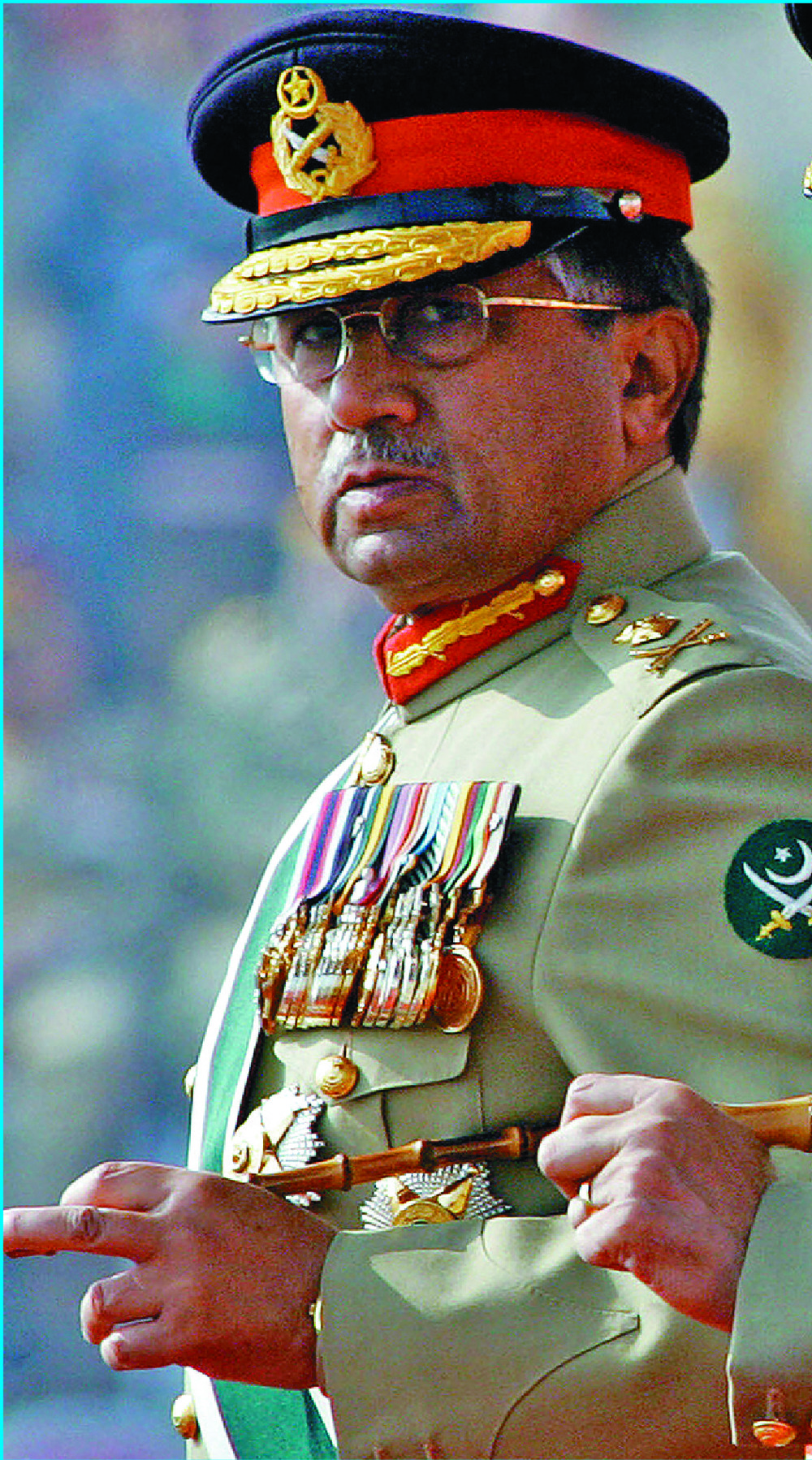
Pakistan's exiled former military ruler Pervez Musharraf, who became a key US ally during the "war on terror," died in a Dubai hospital yesterday aged 79 after a long illness.
ADVERTISEMENT
SCROLL TO CONTINUE WITH CONTENT
Musharraf seized power in a 1999 bloodless coup and was acting simultaneously as Pakistan's army chief, chief executive, and president when the 9/11 attacks on the United States took place.
The general twice suspended the constitution and was accused of rigging a referendum shoring up his power, as well as rampant rights abuses including rounding up opponents.
Nonetheless he became Washington's chief regional ally during their invasion of neighboring Afghanistan.
The decision - made after the US issued a "for us or against us" ultimatum - put him in the crosshairs of Islamist militants, who made several attempts on his life.
But it also earned Pakistan a huge influx of foreign aid which bolstered the economy.
"Pakistan's decision under Musharraf to join the war against terror turned out to be a boon," analyst Hasan Askari said. "He will be remembered as one who presided over Pakistan at a very critical time."
Musharraf had been suffering from a rare disease known as amyloidosis and last summer his family said he had no prospect of recovery.
Senior military chiefs expressed heartfelt condolences on the "sad demise of General Pervez Musharraf," in a statement, adding: "May Allah bless the departed soul and give strength to bereaved family."
The four-star general died in hospital in Dubai yesterday morning, according to a senior security official.
A Pakistan air force source said that Musharraf's body would be flown back to the country today.
Musharraf ruled Pakistan for nearly nine years, starting when then-Prime Minister Nawaz Sharif attempted to remove him as army chief. Many Pakistanis handed out sweets to celebrate his 1999 coup, which ended a corrupt and economically disastrous administration.
But his easygoing persona failed to mask the blurring of the division between the state and army, and Musharraf fell out of favor after trying to sack the chief justice and failing to control an unravelling economy.
He famously said the constitution "is just a piece of paper to be thrown in the dustbin" - and implemented emergency rule when a bid to sack the country's chief justice sparked months of protests.
After the December 2007 assassination of opposition leader Benazir Bhutto, the national mood soured even more and crushing losses suffered by his allies in the 2008 elections left him isolated.
He resigned that same year and was forced into exile.
Musharraf's plan to return to power in 2013 was dashed when he was disqualified from running in an election won by Nawaz Sharif - the man he deposed in 1999.
He was charged over the slaying of Bhutto and placed under house arrest as a series of cases against him were brought before the courts.
In 2013 Human Rights Watch urged the government of the day to hold him accountable for "widespread and serious human rights violations" during his rule.
In 2019, he was sentenced to death in absentia for treason, related to his 2007 decision to impose emergency rule. However, a court later nullified the ruling.
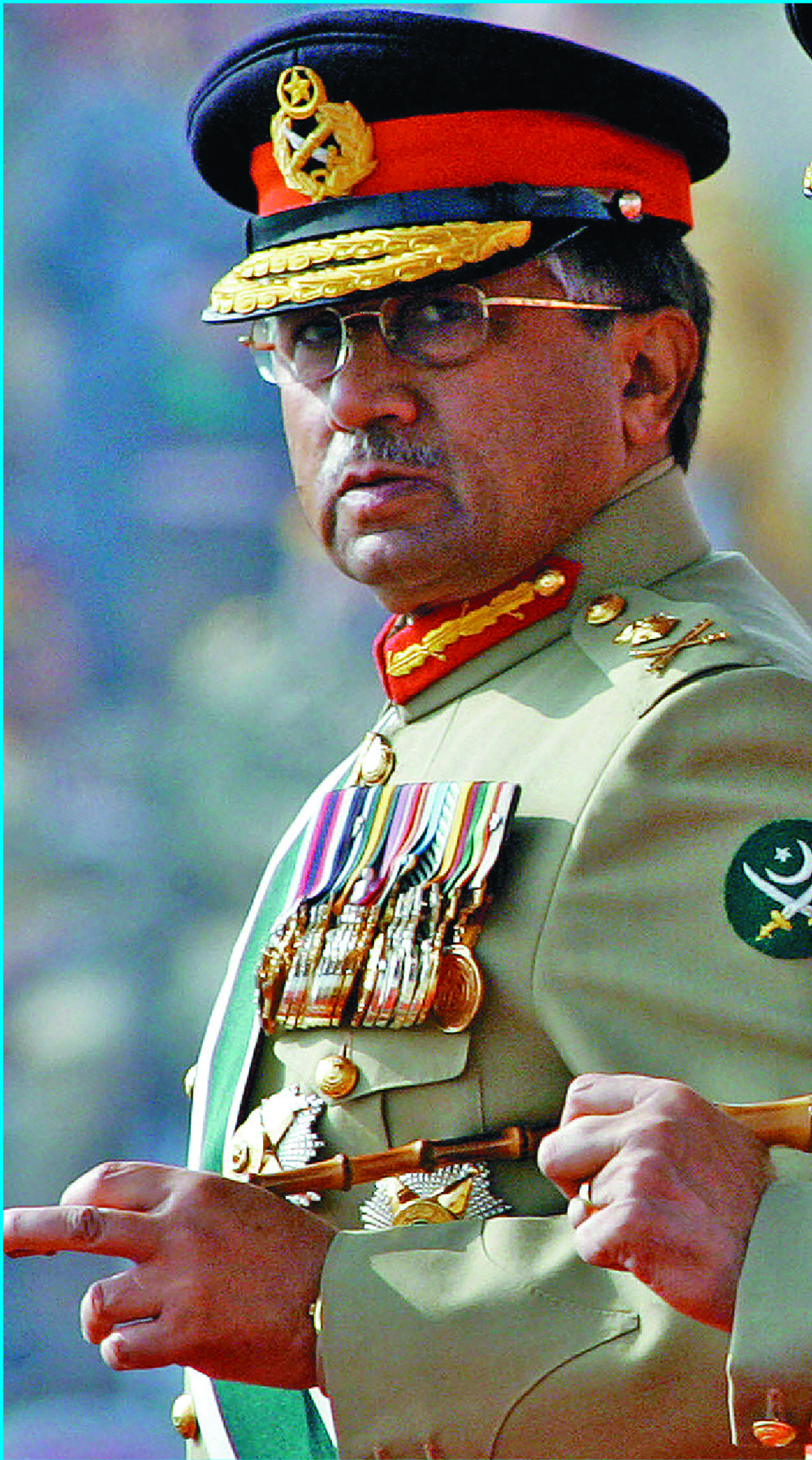
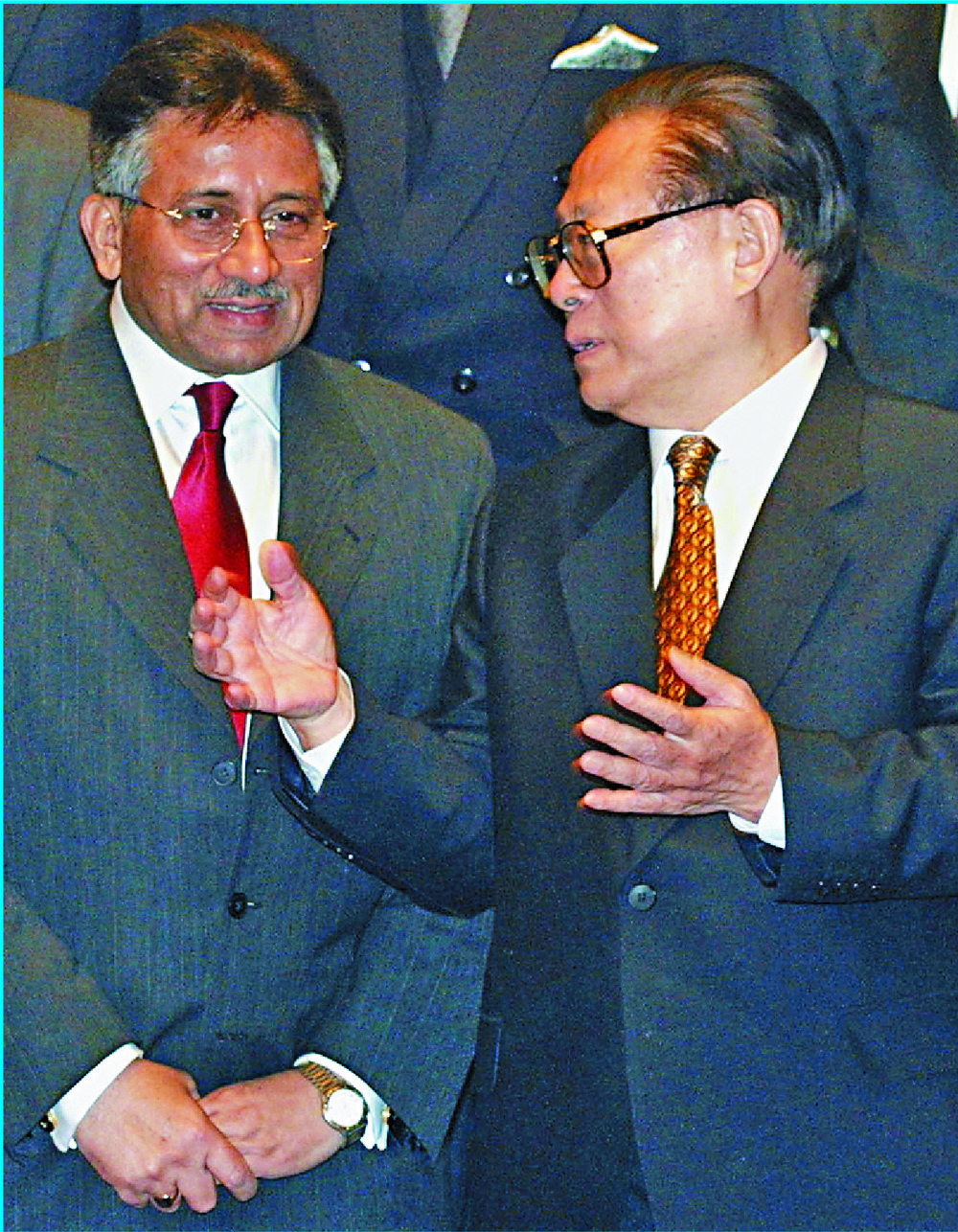
Pervez Musharraf ruled Pakistan for nearly nine years. AFP
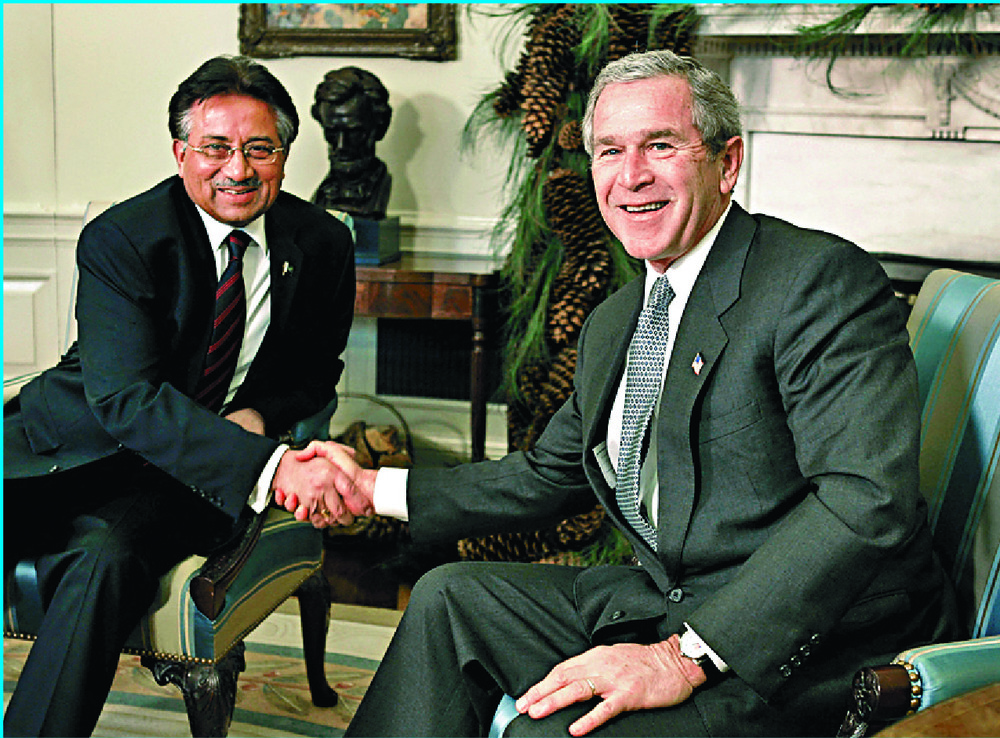
Pervez Musharraf was an ally of George W Bush's war on Al Qaeda. Musharraf with the late Chinese leader Jiang Zemin. REUTERS, AP