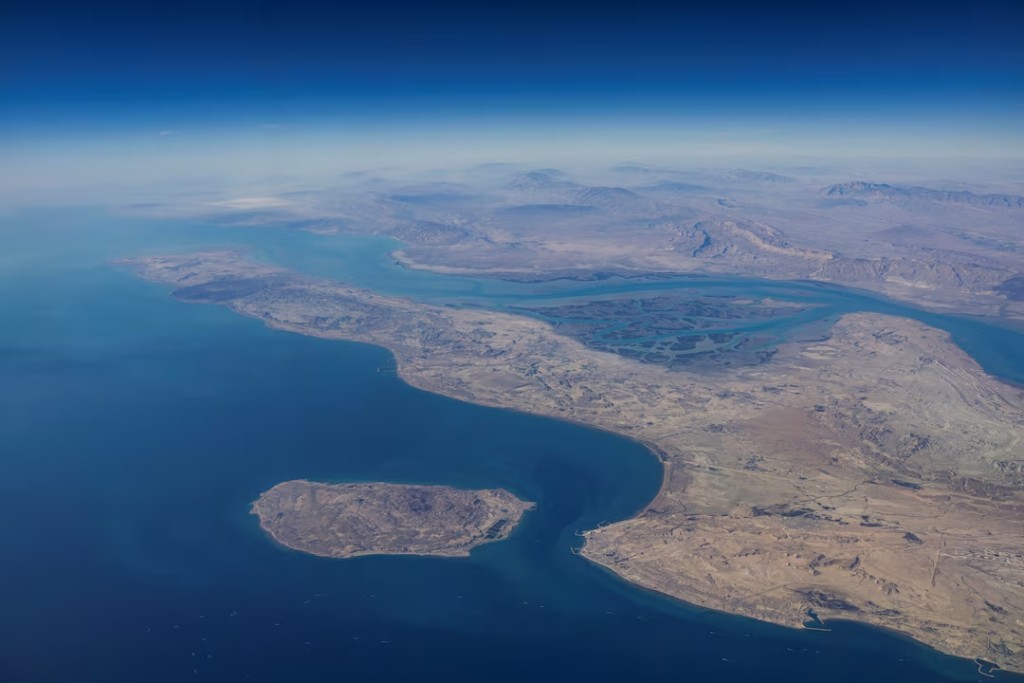
Iran's new body overseeing the Strait of Hormuz has said its claimed area of control extends to waters south of the United Arab Emirates' port of Fujairah, which hosts oil infrastructure designed to bypass the strategic waterway.
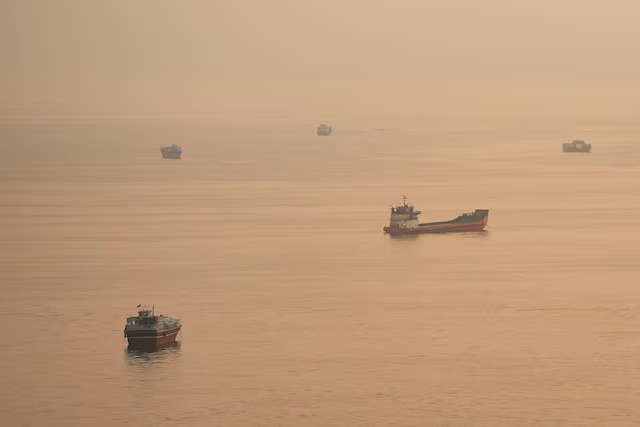
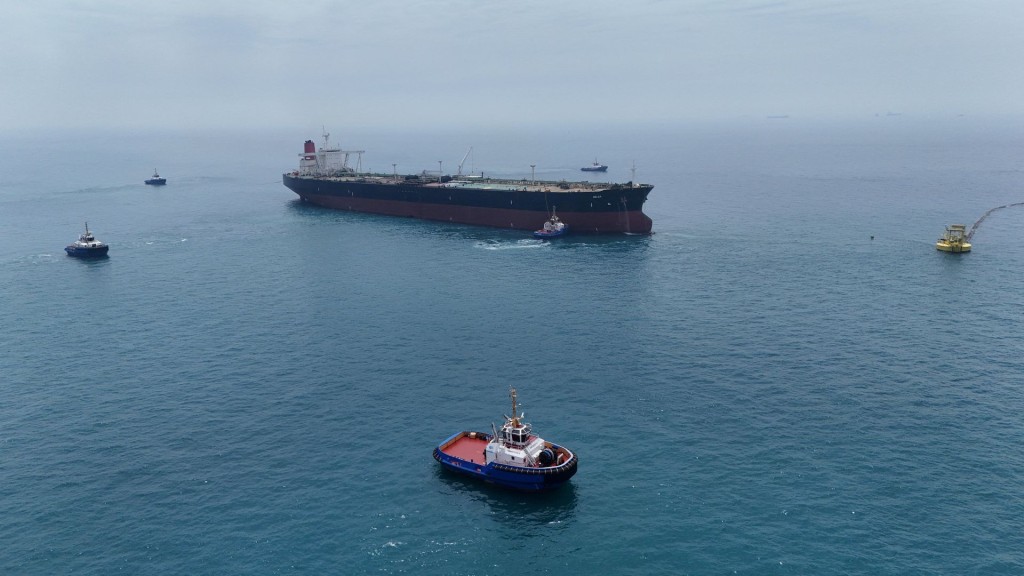
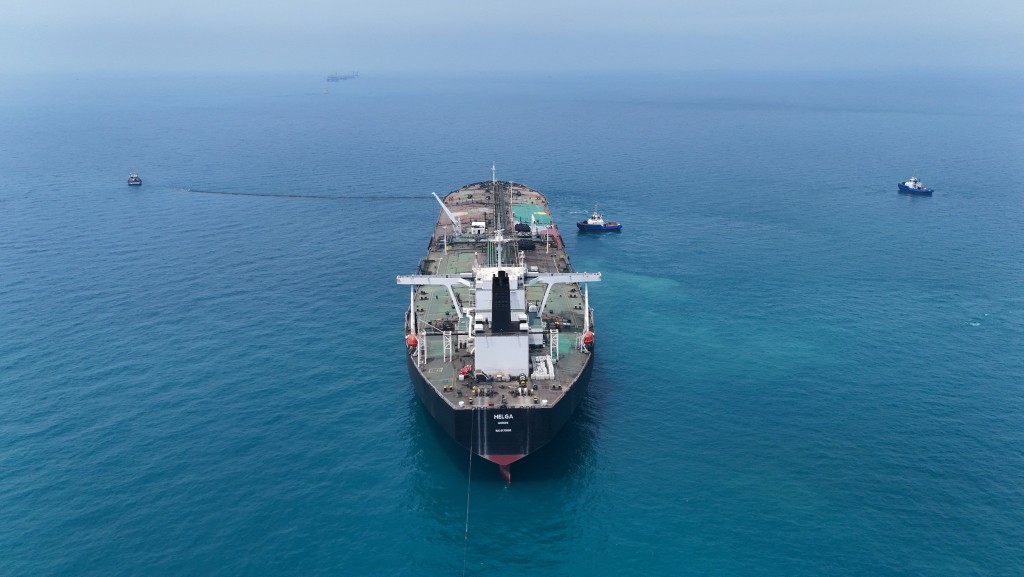
Traffic through Hormuz -- a vital global shipping conduit -- has come under Iranian control since the outbreak of war with Israel and the United States on February 28.
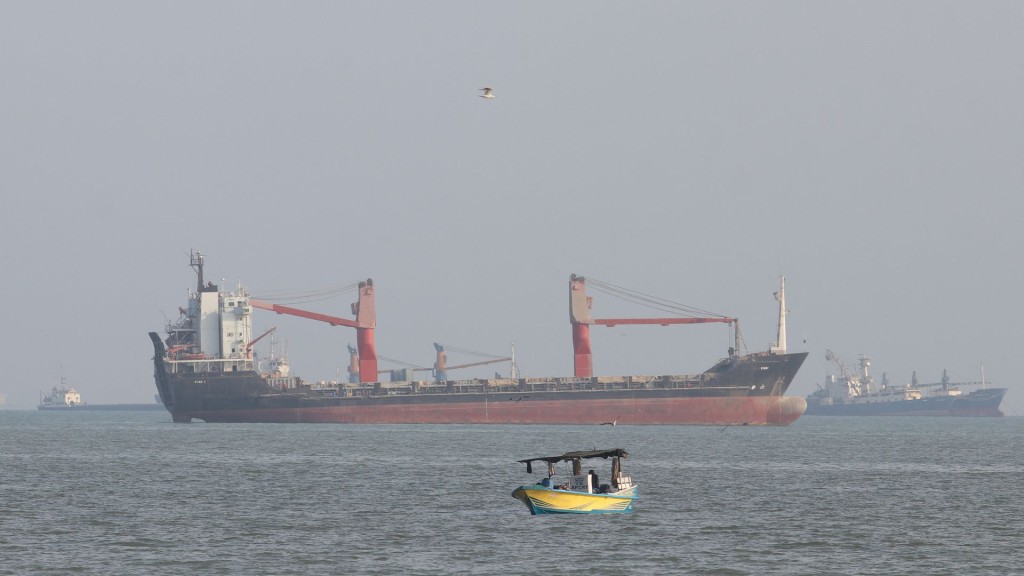
Iran, which has effectively closed the strait since the war and is seeking to charge ships for passage, has insisted that vessels transiting the waterway must obtain permission from the Iranian armed forces.
In a post on X on Wednesday accompanied by a map, the Persian Gulf Strait Authority said it had outlined "the regulatory jurisdiction for the management" of the strait.
It said this covered the area between the line extending from "Kuh-e Mubarak in Iran to the south of Fujairah in the UAE... to the line connecting the tip of Qeshm island in Iran to Umm Al-Quwain in the UAE".
It added that "transit through this area for the purpose of passing through the Hormuz Strait requires coordination with, and authorization from, the Persian Gulf Strait Authority".
Relations between Iran and the United Arab Emirates have been severely strained since the war, after Tehran launched retaliatory missile and drone strikes against Gulf countries in response to US-Israeli attacks.
Iran last week accused the UAE of playing an active role in the war -- a claim Abu Dhabi has denied.
The UAE has also strongly opposed Iran's control of the strait and called for joint action to ensure freedom of navigation through the waterway.
On Friday, the UAE announced it was fast-tracking construction of a new oil pipeline bypassing Hormuz through Fujairah port.
The Abu Dhabi Media Office said the West-East Pipeline would double state oil giant ADNOC's export capacity through Fujairah, adding that it was expected to become operational next year.
Iran has repeatedly accused Gulf states of allowing US forces to carry out attacks from their territory.
Gulf nations have repeatedly denied the accusations, saying even before the conflict that they would not allow their territory or airspace to be used to attack Iran.
On Wednesday, Iran's Revolutionary Guards said they had allowed 26 ships including oil tankers and other vessels to pass through the strait over the previous 24 hours.
Last week, Iran said "more than 30 ships" had been allowed to pass, including some Chinese vessels.
AFP