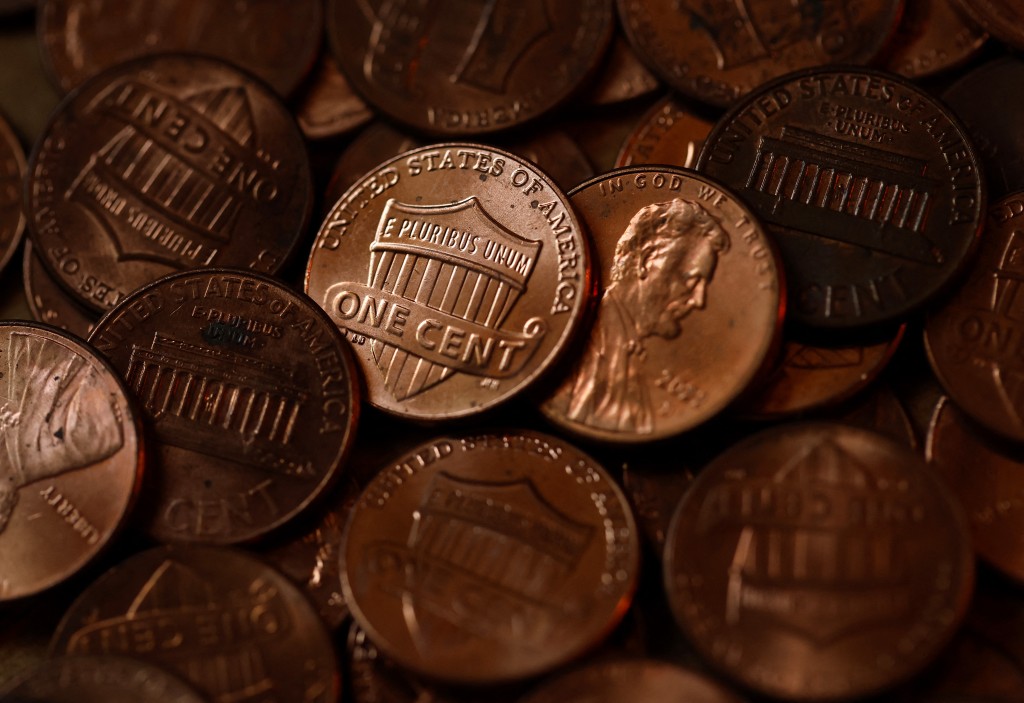
The Philadelphia Mint struck the final batch of 1 US cent (7.8 HK cents) coins on November 12, marking the end of this legal tender of two centuries. The last five pennies engraved with the Omega symbol will be auctioned, according to East Week magazine, sister publication of The Standard.
Experts predicted each could fetch millions of US dollars.
Manufacturing costs exceeded four times the coins' face value, resulting in a loss of 3 US cents for every coin. Experts said the 5 US cent coin faces the same issue, suggesting it may soon be discontinued.
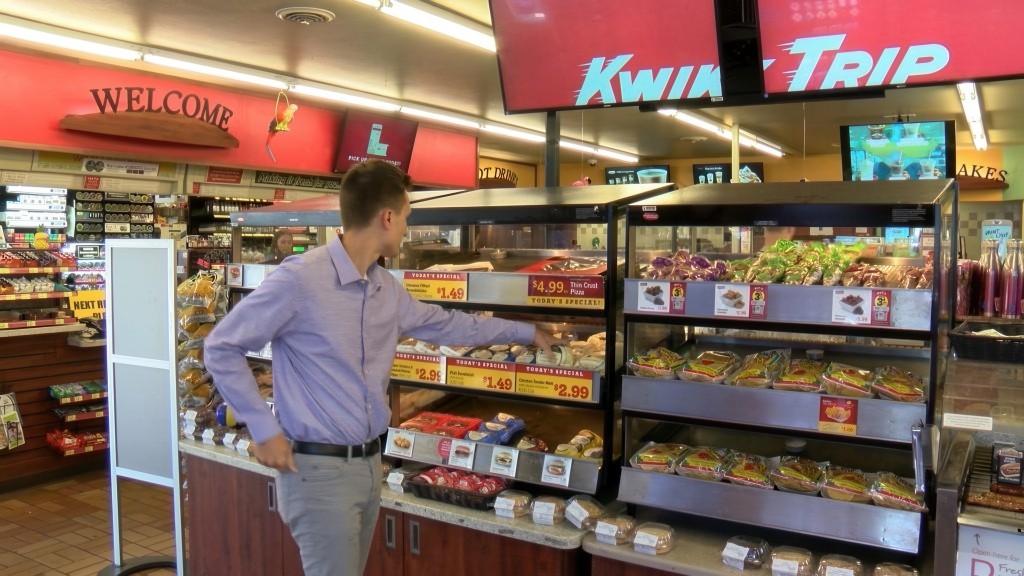
Convenience store giant Kwik Trip announced to lower transactions by 5 US cents.
Besides the penny, five other US coins are in circulation: the nickel, dime, quarter, half dollar, and dollar coin. Although the penny has the smallest face value, it remains more cost-effective than the nickel, as each nickel costs nearly the production of 14 US cents. The Federal Reserve Bank of Atlanta suggested persistent inflation will erode the nickel value, increasing the possibility of its gradual phase-out.
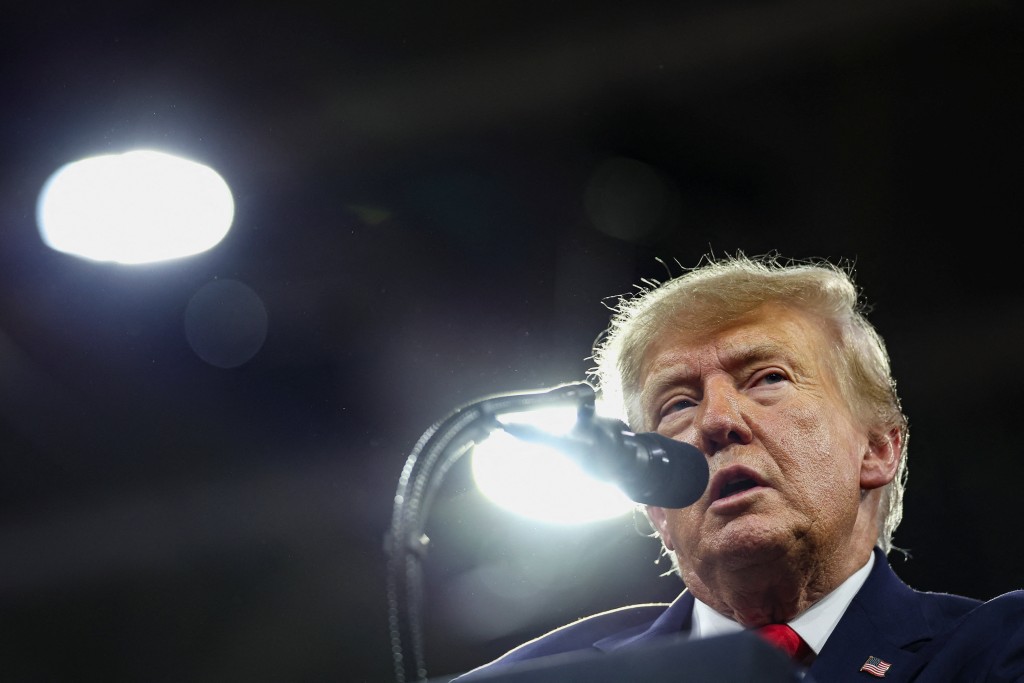
Brandon Beach, Treasurer of the United States, said before minting the final penny: “God bless America. We're saving taxpayers US$56 million.”
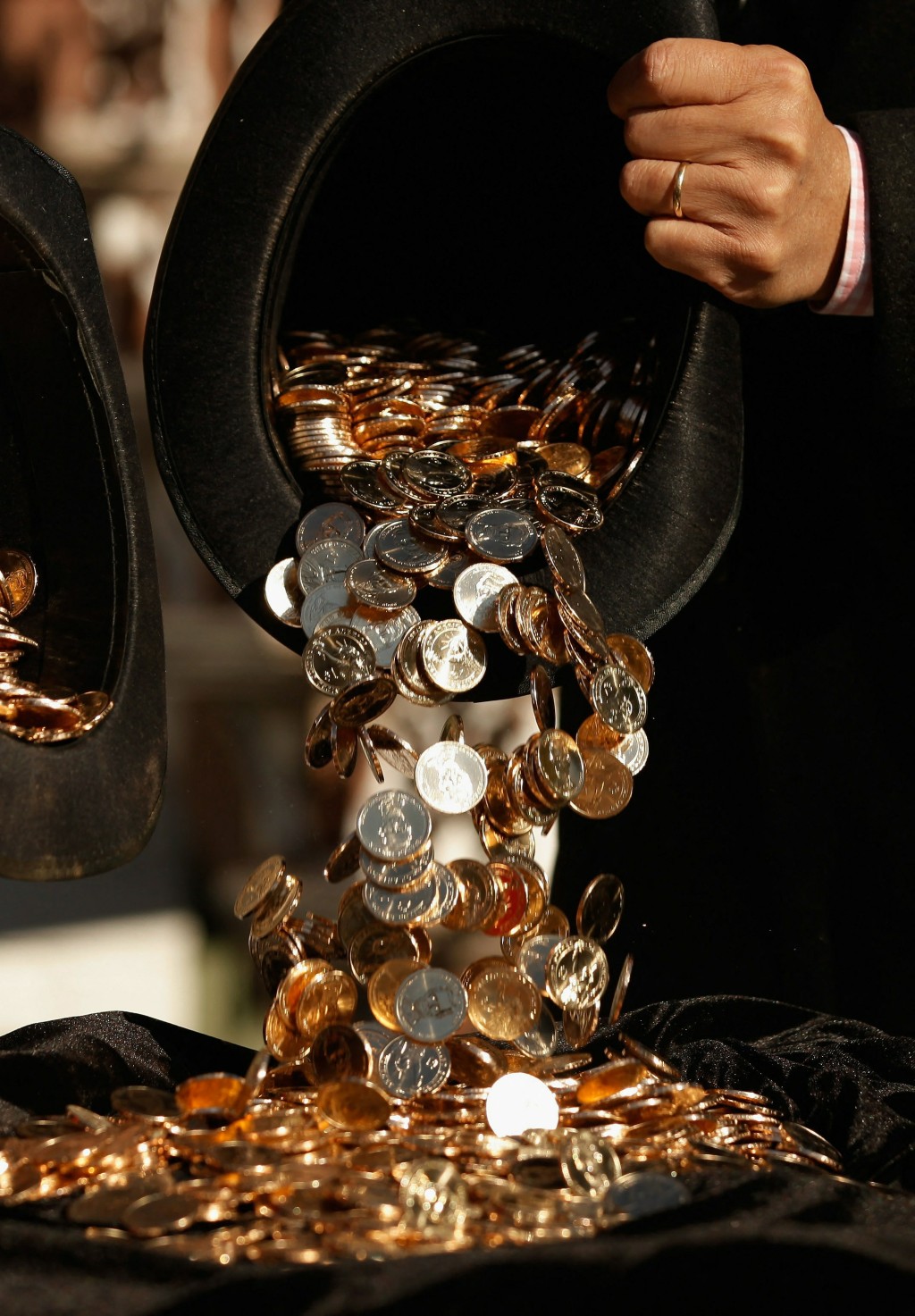
Coin experts predicted fierce bidding at the December auction. John Feigenbaum, executive director of the Professional Numismatists Guild, said the five 1 US cent coins will be treasures for collectors, with each estimated to fetch between US$2 million and US$5 million.
At least 100 US regional coin distribution points suspended 1 US cent coins, with more expected to follow suit. Three trillion 1 US cent coins remain in circulation but soon will be phased out.
Frank Holt, professor at the University of Houston who studies coin history, said: “They reflect our politics, religion, art, self-perception, ideals, and aspirations.”
Retailers complained about the abrupt policy implementation and businesses worried that rounding change could violate state laws. Industry organizations urged the US Congress to pass legislation, establishing uniform standards to lessen disputes.
Gas stations, fast-food chains, and large retailers in the US have rounded off prices. Some businesses have even opted to lower prices. The rounding policy, however, costs stores millions of dollars annually.
"Rounding all transactions not only results in an average loss of 2 US cents per transaction but also presents numerous challenges,” said Jeff Lenard, spokesperson for the National Association of Convenience Stores.
Convenience store giant Kwik Trip announced to lower transactions by 5 US cents, which is projected to cost the company up to US$3 million annually.
Some institutions estimated as low-denomination coins phased out, businesses might raise prices, increasing consumer spending. This could cost consumers US$6 million annually, while phasing out the nickel could result in a combined loss of US$55 million.