The Philippines has recently experienced a troubling increase in the kidnapping of foreign nationals, particularly wealthy Chinese businessmen, with some doubting the potential police complicity in these incidents.
The alarming assertion followed the abduction and murder of Anson Que -- a Filipino-Chinese businessman known as the "Steel King" -- along with his driver, according to an investigative story by Eastweek Magazine, a sister publication of The Standard.
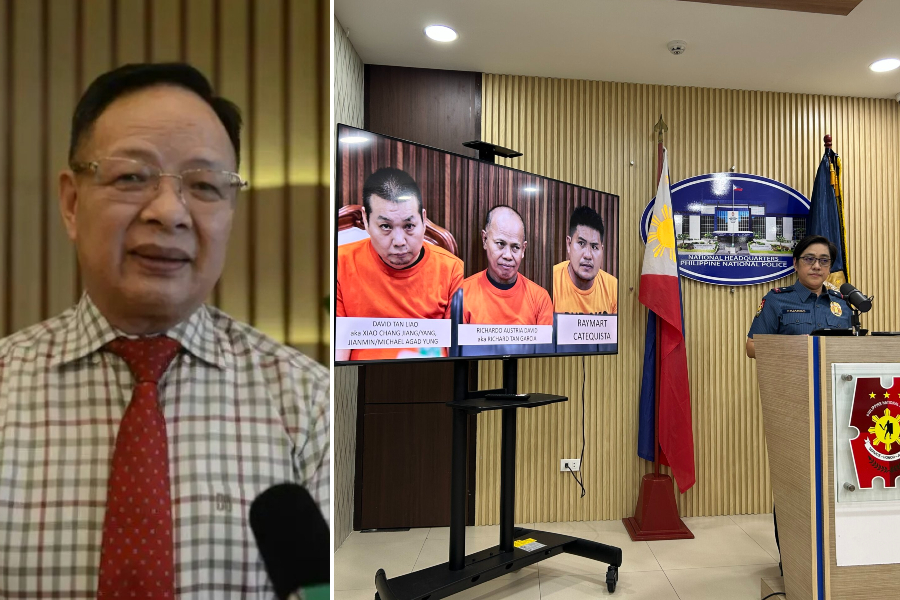
Following the arrest of two Filipino individuals on April 18 in connection with Que's case, authorities apprehended a Chinese national the following day, who is suspected of being a key member of various local organizations and is believed to be involved in at least five additional kidnapping cases.
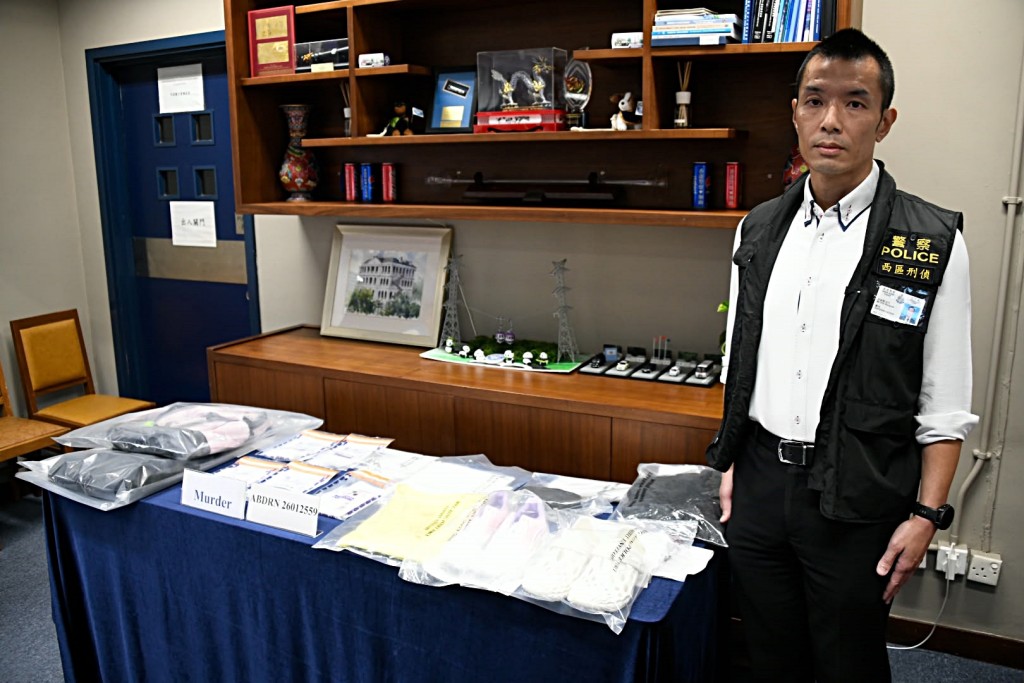
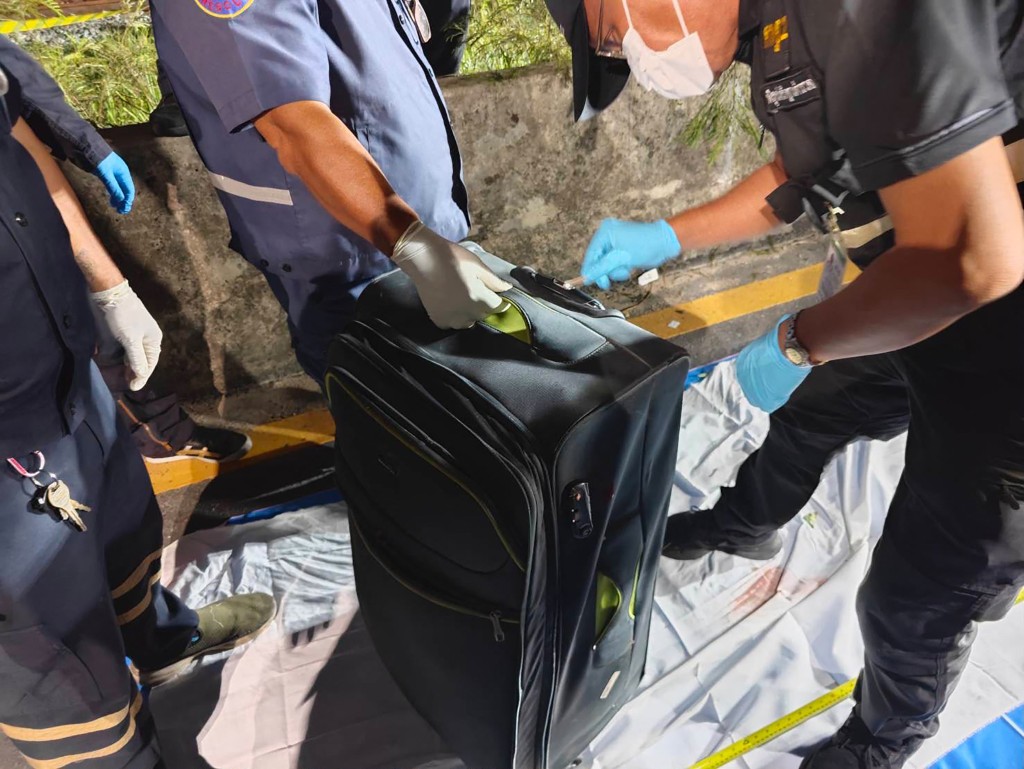
Reports indicate that Que was lured to a meeting with a Chinese woman in Bulacan Province, where he was subsequently abducted. Despite the payment of a total ransom amounting to HK$29 million in cryptocurrency across three transactions on March 30, both Que and his driver were murdered, with their bodies discovered in Barangay Macabud in Rodriguez, Rizal, on April 9.
The 58-year-old businessman -- originally from Yongchun, Fujian Province -- immigrated to the Philippines in 1985 and started his steel trading company in 1990.
Over the years, he expanded his business ventures into real estate, agriculture, and the restaurant industry, actively engaging in various Chinese community organizations in the Philippines. He was the founding president of the Federation of Filipino-Chinese Chambers of Commerce and Industry and served as the former president of a Yongchun County general association in the country.
The Philippine police have stated that they are actively pursuing two additional suspects of Chinese nationality, who are believed to be the masterminds behind the kidnapping and murder case.
Growing trend of kidnappings in the Philippines
Que's tragedy is not an isolated incident in the Philippines, where 92 kidnapping cases were recorded in 2023. Over 20 percent of victims were killed in those cases, indicating that it is not uncommon for kidnappers to execute their victims following ransom payments.
Wealthy foreign individuals residing in the country are increasingly hiring bodyguards to ensure their safety.
Local commentators have noted that kidnapping has become a "business" for local gangs, with potential involvement from terrorist organizations and international crime syndicates.
The Abu Sayyaf Group (ASG), an anti-government armed organization, infamously engaged in kidnappings of tourists and local staff in the early 2000s, demanding ransoms in excess of HK$18 million and also pressured the Philippine government to withdraw its military from the Jolo areas.
There have also been incidents involving collaboration between kidnappers and expatriates in the Philippines. A notable case involved a Japanese individual living in Manila who allegedly invited a Japanese friend to the Philippines, subsequently conspiring with two Filipino accomplices to carry out the kidnapping in 2018.
An anti-kidnapping unit was established by the Philippine police in 2012 to investigate kidnapping groups and pursue suspects. However, the rising number of cases has fueled suspicions of possible complicity within law enforcement agencies.
Li Kaisheng, Vice President of the Shanghai Institutes for International Studies, has accused the Philippine government of incompetence and corruption, suggesting that some police officers may be involved in kidnapping operations.
In one of the cases about a kidnapped South Korean businessman being killed in 2016, it was revealed that three police officers were part of the kidnappers.
Shift in targeting toward Chinese community
As the population of Chinese businessmen in the Philippines increases, kidnappers have recently shifted their focus toward the Chinese community, recognizing that families are likely to pay ransoms and often distrust local law enforcement.
According to the Chinese Embassy in the Philippines, cases involving Chinese nationals constituted 30 percent of total kidnapping incidents in 2023, affecting both tourists and individuals working in the Philippines.
Some emphasize the necessity for enhanced oversight of law enforcement agencies to combat corruption and address the ongoing issue of kidnapping in the Philippines.
Senator Joel Villanueva has voiced his concern regarding the alarming rise in abduction cases, noting the issue affects not solely the Chinese community but the entire nation. He has urged authorities to take swift action to bring perpetrators to justice.
(Staff reporter)
Download The Standard app to stay informed with news, updates, and significant events - https://urlgeni.us/TheStandard. The upgraded app will be available in late April.