Read More








Man dies after suspected drowning during Peng Chau swimming race
01-10-2026 14:56 HKT


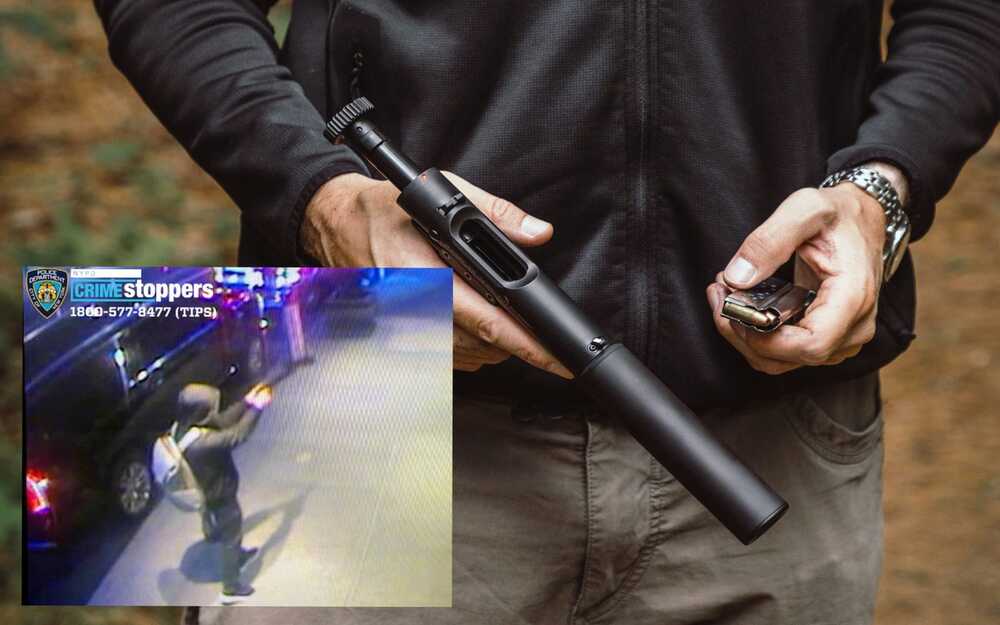
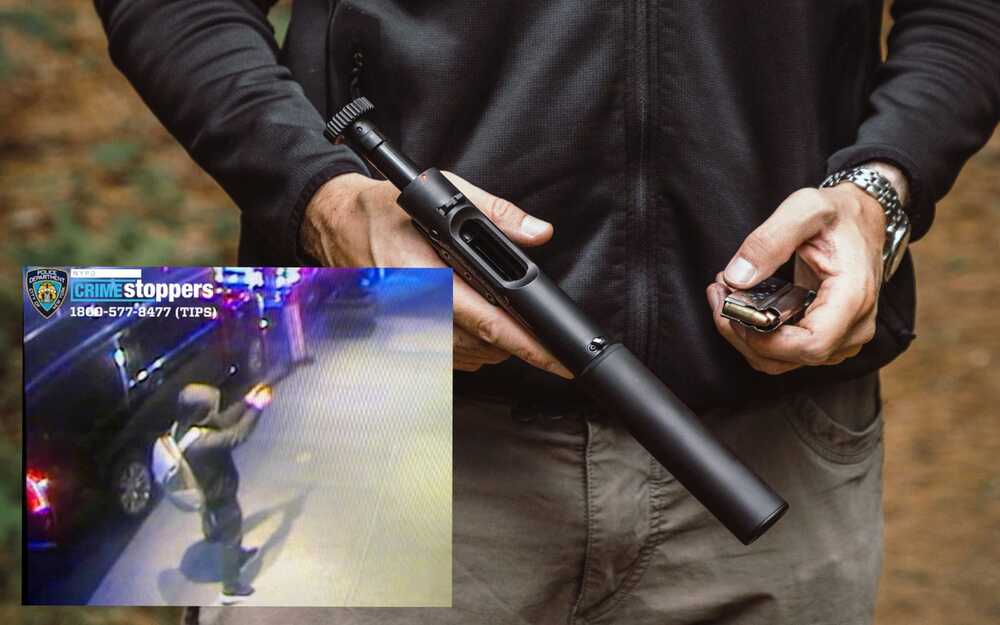
US investigators believe a veterinary pistol may have been used to assassinate UnitedHealthcare CEO Brian Thompson on December 4 outside a New York City hotel. While the weapon has not been recovered, surveillance footage points to the use of this specialized firearm, typically employed in agricultural settings.
Chief of Detectives Joseph Kenny told reporters, "We're exploring the possibility that a veterinary gun was used in this attack. These firearms are designed for quiet operation and are primarily used on farms for humane euthanasia of animals." Kenny emphasized that this information is still speculative, as the weapon has not been found.
The veterinary pistol in question is believed to be a modern variant of the World War II-era Welrod, a bolt-action, integrally suppressed firearm originally developed for covert operations.
The modern incarnation of this weapon, known as the Brügger & Thomet VP9 (Veterinary Pistol 9mm), is a manually operated, magazine-fed pistol with an integrated suppressor.
CNN's Chief Law Enforcement and Intelligence Analyst John Miller explained the weapon's unique characteristics: "It operates almost silently. It fires a significant 9mm round and is designed for close-range killing. While intended for veterinarians to euthanize animals, it would work equally effectively and quietly on humans."
One of the most distinctive features of the VP9 is its bolt-action mechanism. Unlike most modern handguns that automatically cycle rounds, the VP9 requires the user to manually operate the bolt between shots. This design choice, while reducing the rate of fire, contributes significantly to the weapon's exceptionally quiet operation. The VP9's integrated suppressor is another key feature differentiating it from conventional firearms. Utilizing a series of baffles and rubber wipes, the suppressor effectively reduces both the weapon's muzzle flash and sound signature.
The use of such a specialized weapon in an urban assassination has raised questions about its availability and regulation. Typically, veterinary pistols are tightly controlled and only available to licensed professionals in the agricultural and veterinary fields. The fact that one may have been used in this high-profile murder has sparked concerns about potential loopholes in firearm regulations. As the investigation continues, authorities are piecing together a timeline of events leading up to the assassination.
The suspect, described as a lone male wearing a black hoodie, reportedly arrived in New York City by Greyhound bus from Atlanta. After the shooting, he fled on an electric bicycle through Central Park before hailing a cab to the George Washington Bridge Bus Station.
In a twist that has added intrigue to the case, investigators discovered ammunition at the scene with unusual markings. NYPD sources revealed that the words "delay," "deny," and "depose" were inscribed on bullets and shell casings found near the crime scene. These terms appear to reference a 2010 book titled "Delay, Deny, Defend: Why Insurance Companies Don't Pay Claims and What You Can Do About It," potentially hinting at a motive related to dissatisfaction with the insurance industry.
The assassination has sparked a complex debate about healthcare in the United States. While many have expressed shock and condolences over Thompson's death, others have used the incident to highlight ongoing issues within the American healthcare system. UnitedHealthcare, as the largest health insurer in the U.S., covering over 49 million individuals, has faced criticism in the past for its business practices. As the search continued, law enforcement agencies alerted border control officials on the Canadian and Mexican borders.
The NYPD, FBI, and Atlanta Police Department are collaborating on the investigation, which has expanded beyond New York City.
(Callan Williamson)