Read More
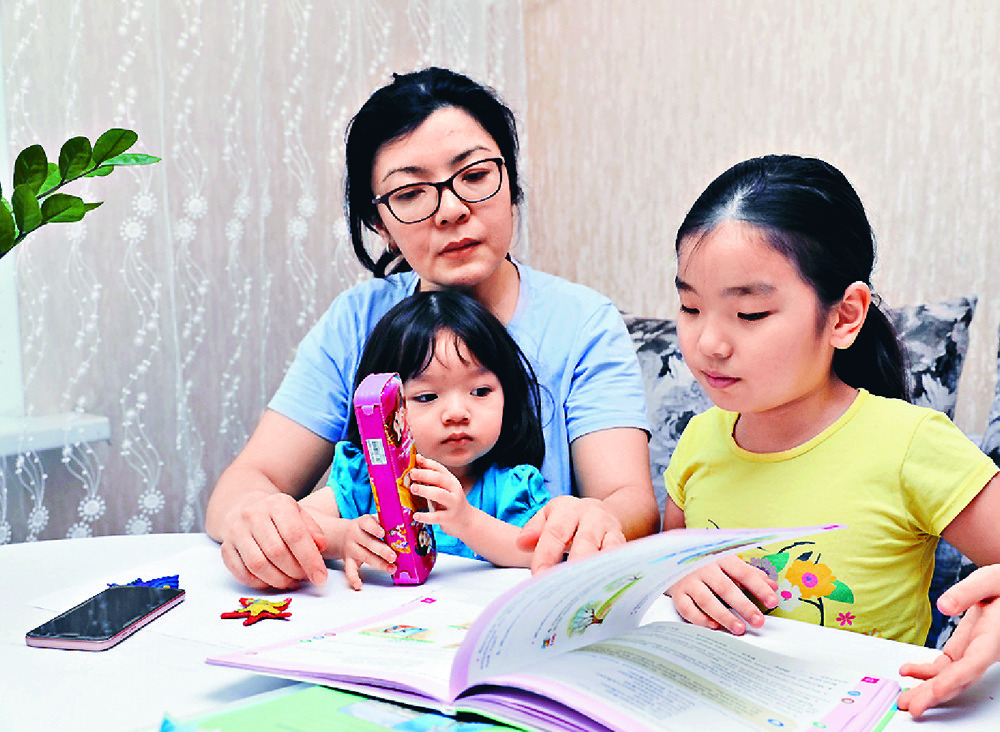
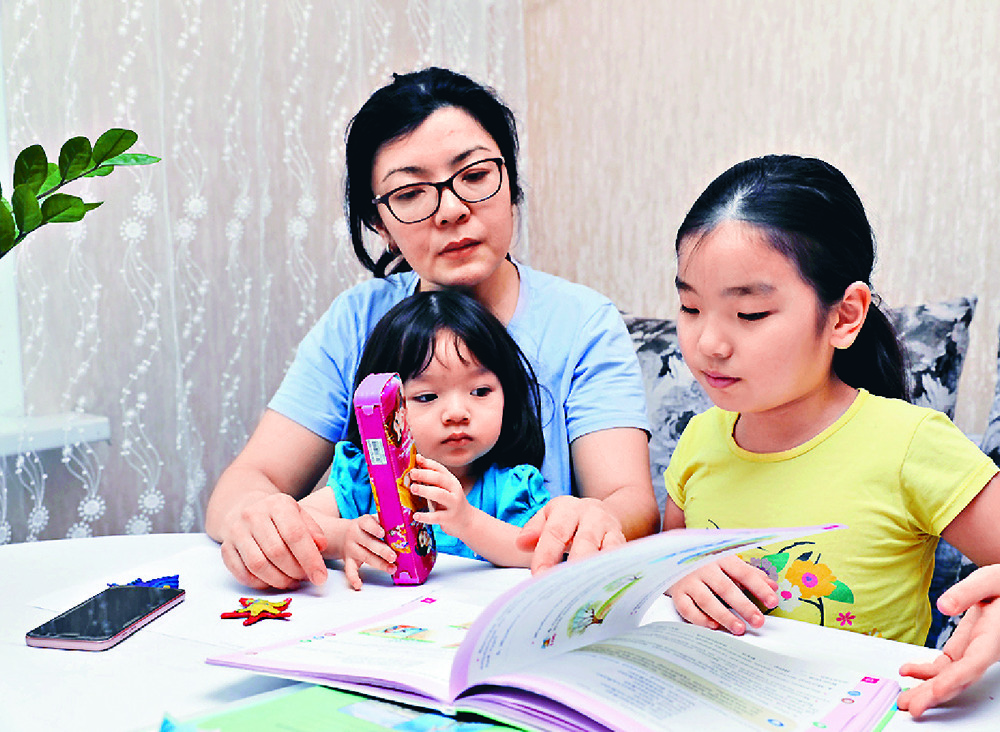
Parenting is not an easy job at the best of times, and it is even more difficult during the pandemic. The closure of schools and child-care centers means that parents can no longer outsource childcare to others, while working at home means parents need to spend more time with their children. Under such circumstances, parents can be faced with increasing stress levels.
ADVERTISEMENT
SCROLL TO CONTINUE WITH CONTENT
The University of Michigan's Parenting in Context Research Lab studied the stress levels of 562 parents with one or more children aged 12 or younger during the pandemic.
Their research found that while the pandemic has helped parents feel closer to their children, it has also produced a higher level of child-related stress.
Around 61 percent of parents said they had "shouted, yelled, or screamed" at their children at least once in the past two weeks, and 20 percent spanked or slapped their children at least once in the past two weeks.
Parents said that this was happening more often than in the past, and resulting in conflicts, yells and screams and harsh words.
The stress is the result of new curbs on lifestyles and habits created by the pandemic. New challenges included children not understanding the danger of Covid-19, and wanting to see friends and go to school, being bored or expressing fear of losing loved ones.
"Take a deep breath. Try yoga, try meditation," said Susan Levine, the Rebecca Anne Boylan Professor of Education and Society in the Department of Psychology at the University of Chicago.
"Remember that this is a hard time for everyone - including kids whose social networks have shrunk. Sometimes playing a game or reading a book your kids love can be helpful."
Due to the changes, children need more attention from parents who still have to work, even if they work from home. Levine suggested parents arrange age-appropriate activities for their children.
"For very young children, an adult needs to be with them," she said.
"One solution for two-parent families is to take turns, one parent taking the morning and the other the afternoon, for example. Nap times are also a great time for parents to get work done."
For older children, the professor suggested puzzles, block play, arts, crafts, and online resources. "There are many resources online. For example, Wide Open Schools, the Dreme network, PBS, or a math website from our research group, Becoming a Math Family," she said.
Offering children challenges can also help to reduce boredom. "Some parents I know are giving kids challenges, like building a road that goes over the couch with your toys, or building the tallest tower you can," she said. "Also, if children need some physical activities, parents can ask them, for example, to do 20 jumping jacks, 10 squats."
It's also okay to ease restrictions on technology to keep older children occupied. "I would suggest an occasional movie or an appropriate TV show. This is a tough time and we need to relax rules on screen time," said Levine.
Technology can also help children connect with their friends.
"If kids are old enough, Zoom or Facetime playdates are great," said Levine.
"They can also make cards for their friends and write them letters, take photos and text them, or draw pictures for their friends."
In addition to keeping children healthy at home, educating children about the pandemic presents another challenge for parents.
With different ages resulting in different levels of understanding, Emily Landon, the executive medical director of infection prevention and control at the University of Chicago, advised different approaches. But hiding facts is never a choice.
"Younger kids may feel overwhelmed by the negative news coverage and could benefit from a more simple explanation by their parents," said Landon.
"Older kids can understand a lot and will benefit from feeling like they are a part of this historic situation. I would supplement any news or media exposure with robust conversations about what this means for them."
Sharing worries is also essential, especially when children are worried about seeing the people they know die from the coronavirus.
"My son has been worried about this too, but I try to reassure him that the risk of anyone person dying is low," said Landon.
"Kids just need to be reassured that things will be fine and get a chance to say how they feel and express their concerns."
Hygiene is important under the global health crisis, but children may not always pay attention to it. Landon shared her own experience of making cleaning fun for her son.
"My son sings the Happy Birthday song twice to remember how long to wash his hands," she said.
"He is also supposed to clean his hands after using the bathroom and before eating. We make a game of it, and he tries to catch me not doing it. If he does, he gets a prize. If I catch him, I get a prize."
lisa.kao@singtaonewscorp.com