Read More



Iran demands transit fees in yuan, stablecoins for Strait of Hormuz passage
03-04-2026 02:45 HKT
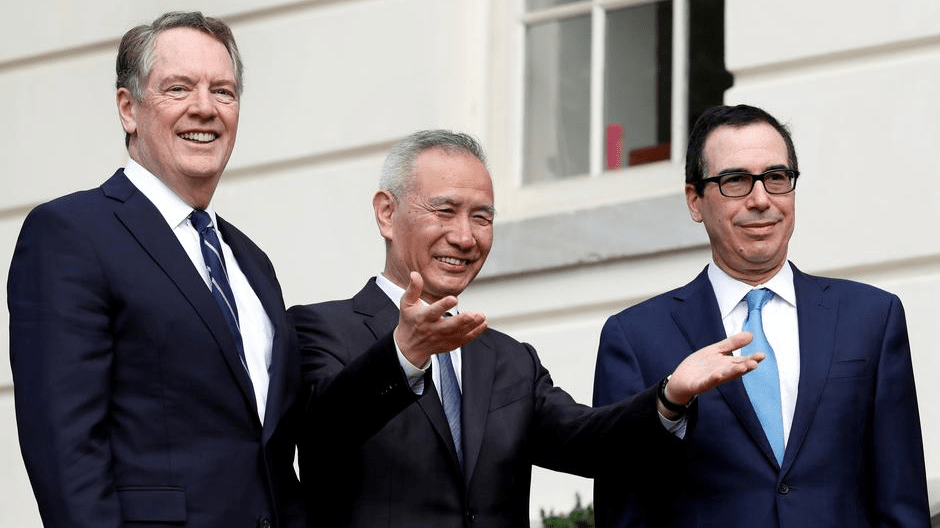
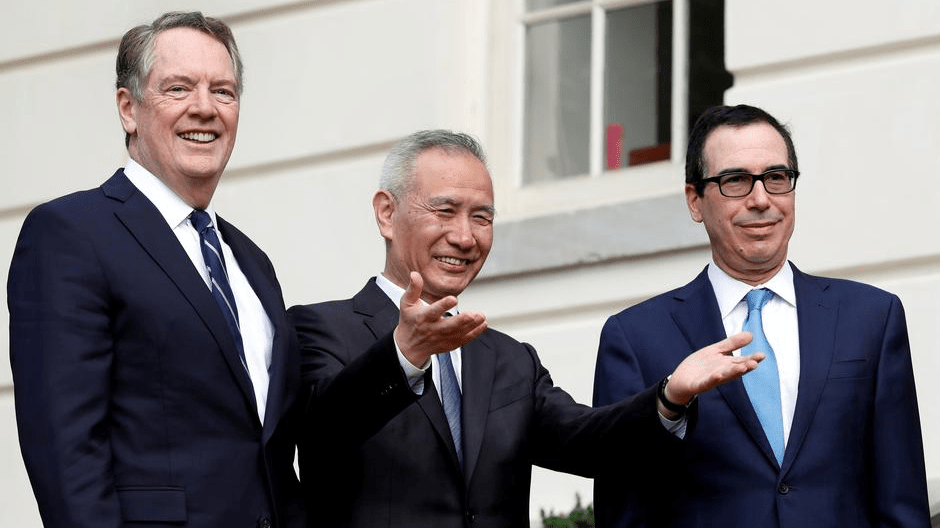
Senior US and Chinese officials will review the implementation of their phase one trade deal and likely air mutual grievances in an increasingly tense relationship during an August 15 video conference, two people familiar with the plans said, Reuters reports.
U.S. Trade Representative Robert Lighthizer and Chinese Vice Premier Liu He, the principal negotiators for the two countries, will join in the meeting, an initial six-month review of the pact activated on February 15.
The meeting plans were first reported by the Wall Street Journal. The U.S. Trade Representative’s office and the U.S. Treasury did not respond to requests for comment.
Under the phase one trade deal signed in January, China had pledged to boost purchases of U.S. goods by some US$200 billion over 2017 levels, including agricultural and manufactured products, energy, and services.
But China, battered by the global virus recession, is far behind the pace needed to meet its first-year goal of a US$77 billion increase. Imports of farm goods have been lower than the 2017 level, far behind the 50 percent increase needed to meet the 2020 target of US$36.5 billion.
Beijing has bought only 5 percent of the energy products needed to meet the phase one first year goal of US$25.3 billion.
One of the people familiar with the plans said Chinese officials hoped to discuss other issues beyond the phase one trade deal implementation.
“It’s both the normal semi-annual review and also comes at a time when the relationship continues to deteriorate. Naturally there is much to discuss,” the person said.
China’s ambassador to the United States, Cui Tiankai, said on Tuesday that there was always a plan for high-level consultations six months into the pact, but the two sides have remained in regular contact over the trade deal.
“If they do have such a meeting I guess it will be very positive,” Cui told a virtual event sponsored by the Aspen Security Forum.
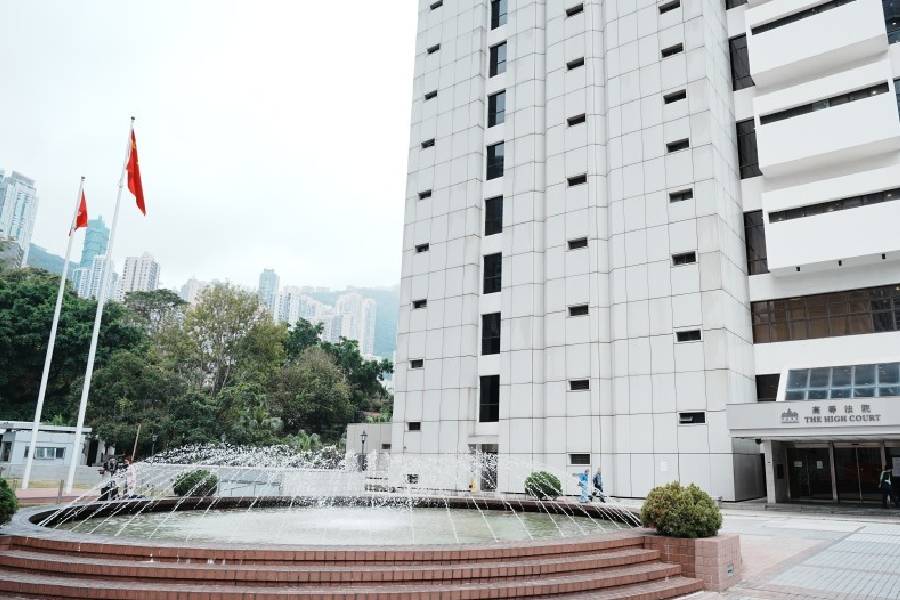
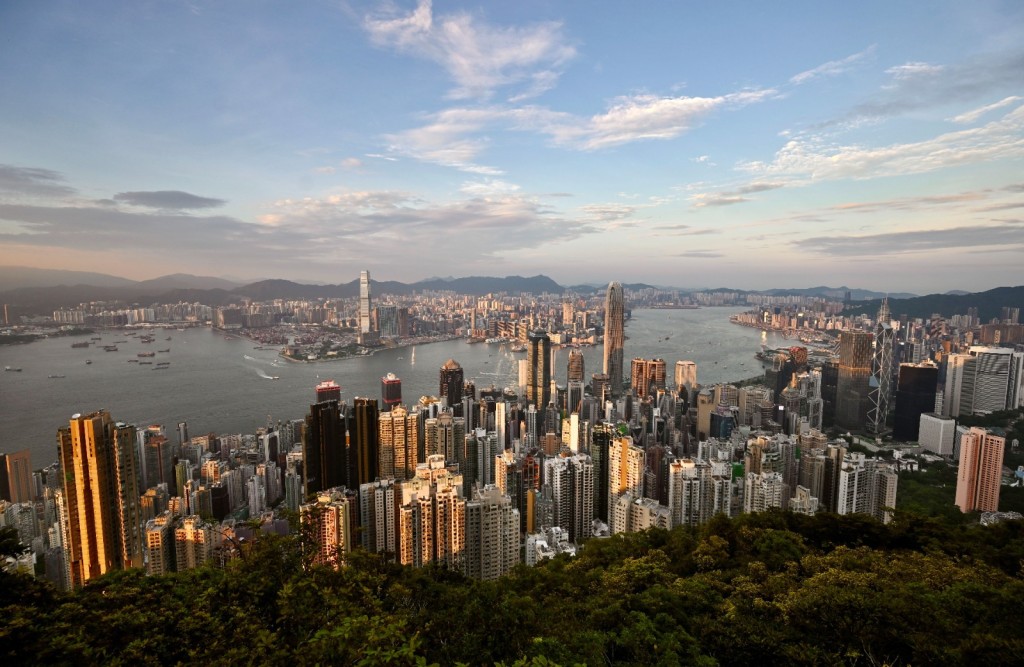
Trump has threatened to end the trade pact over China’s handling of the coronavirus, which originated in the city of Wuhan, and tensions have risen over U.S. sanctions related to China’s security crackdown on Hong Kong.