Read More













Iran demands transit fees in yuan, stablecoins for Strait of Hormuz passage
03-04-2026 02:45 HKT


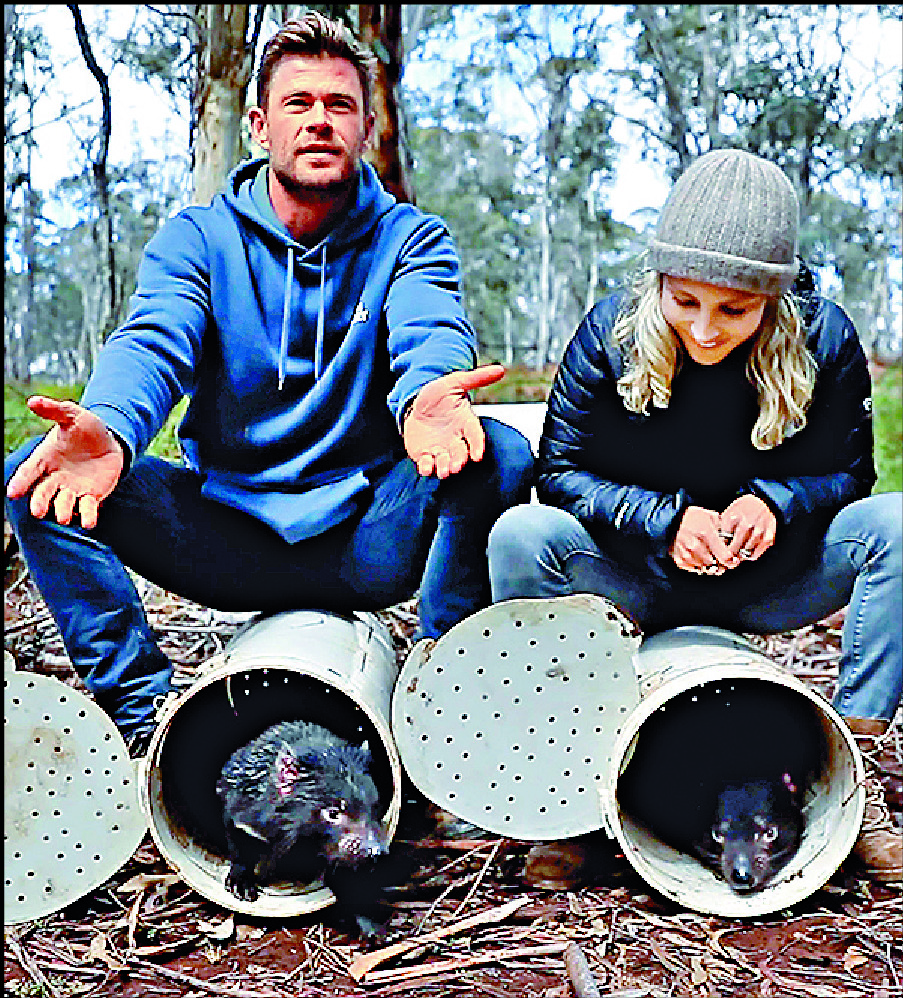
Tasmanian devils have been released into the wild on Australia's mainland 3,000 years after the feisty marsupials went extinct there, in what conservationists described as a "historic" step.
Aussie Ark, a conservation group, revealed they had released 26 of the carnivorous mammals into a 400-hectare sanctuary at Barrington Tops, 3 1/2 hours north of Sydney.
Tim Faulkner, president of Aussie Ark, said the "historic" releases in July and September were the first steps in a project akin to the United States' successful return of wolves to Yellowstone National Park in the 1990s, adding that it was "incredible and surreal" to have reached the goal after 16 years of work.
Tasmanian devils typically prey on other native animals or scavenge carcasses. According to government environmental authorities, they are not dangerous to humans or livestock but will defend themselves if attacked.
The animals are classified as endangered after a contagious facial tumor disease ravaged the remaining population on the Australian island state of Tasmania. It is estimated that fewer than 25,000 Tasmanian devils still live in the wild, down from as many as 150,000 before the fatal disease first struck.
Faulkner hopes the project will help restore the native environment and create an "insurance population" against the face tumor disease, which has so far proved untreatable.
"Devils present one of the only natural solutions to the control of the fox and the cat, [which] are responsible for nearly all of our 40 mammal extinctions," he added.
"So there's more than the devil at stake here."
Aussie Ark selected the devils for their breeding suitability, placing them in sprawling, fenced areas in the hopes of warding off threats to their survival.
Another 40 are set to be released over the next two years.
The Tasmanian devil is one of seven cornerstone species critical to Australia's ecosystem that Aussie Ark plans to reintroduce to the wild in the coming years, along with quolls, bandicoots and rock wallabies.