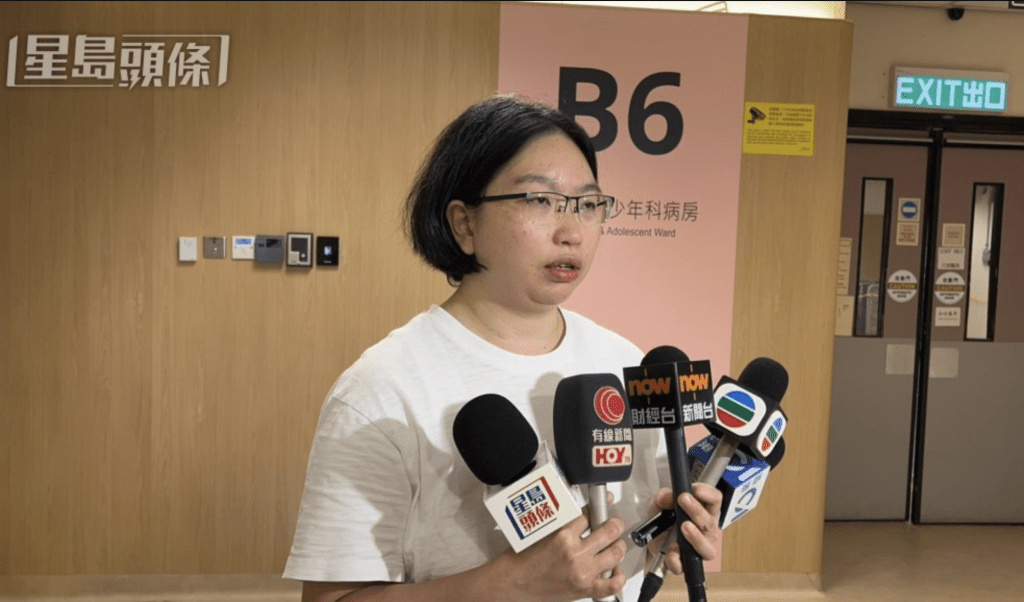
The "Save Lily" case involving parents Mr. Tsang and Ms. Kwan on child abuse charges has drawn significant public attention in Hong Kong. Their second son, Danny, has been under the care of the Social Welfare Department since the beginning of this month. On Sunday night (June 21), Danny was taken to Eastern Hospital for a lumbar puncture (commonly known as a "spinal tap") due to fever and an emergency condition. His parents, Tsang and Kwan, rushed to the hospital upon notification. Tsang expressed great concern, stating they received a call around 10 PM that night informing them Danny needed spinal surgery. Is a "spinal tap" actually a fairly common procedure?
Lumbar Puncture (Spinal Tap) – Used to Diagnose Meningitis
Kwan indicated that Danny was found to have a fever around 3 PM that afternoon at his care facility. Staff took him to Ruttonjee Hospital, and he was later transferred to Eastern Hospital. Tsang revealed that Danny had previously been seen by a family doctor and at Caritas Medical Centre, with no abnormalities found in initial checks. The sudden fever and need for a lumbar puncture took them by surprise. They hoped to hear directly from the doctors about the situation and see their son.
It is noted that for newborns and young infants (especially under 3 months old), if they develop a fever, lethargy, or poor feeding, their immature immune systems make them highly susceptible to complications like meningitis.
According to Gleneagles Hospital Hong Kong, a lumbar puncture is a procedure where a thin needle is inserted between the vertebrae into the space around the spinal cord in the lower back to collect a small amount of cerebrospinal fluid (CSF) for testing. This procedure is primarily used for:
- Diagnosing central nervous system infections, such as meningitis and encephalitis.
- Suspecting intracranial hemorrhage, such as subarachnoid hemorrhage.
- Measuring intracranial pressure.
- Draining excess CSF to relieve intracranial pressure.
- Diagnosing metabolic diseases affecting the brain and spinal cord.
According to the Hospital Authority, no blood test or imaging scan can replace a lumbar puncture for confirming meningitis. It is the safest and most reliable method for diagnosis. As meningitis can be fatal or cause severe consequences, early diagnosis and treatment are crucial. The collected CSF is sent to a lab for biochemical and microscopic examination. Preliminary results can be available within hours, while further bacterial and viral cultures take longer.
Lumbar Puncture (Spinal Tap) – Procedure and Risks
During a lumbar puncture, infants and children are positioned on their side with knees bent toward the abdomen and head tucked toward the chest (a "fetal" position). Sedatives or local anesthesia may be given if needed. After sterilization, the doctor inserts the needle to collect CSF samples, then removes the needle and applies a sterile dressing.
Common Risks:
- About 40% of patients experience transient headache and back pain.
- Rarer but serious complications include sudden changes in intracranial pressure, nerve injury, bleeding, and CSF leakage.
Post-Procedure Care:
- Children must lie flat for 6 to 12 hours.
- They may resume eating and drinking only after fully awake.
Meningitis Infection – Symptoms and Prevention
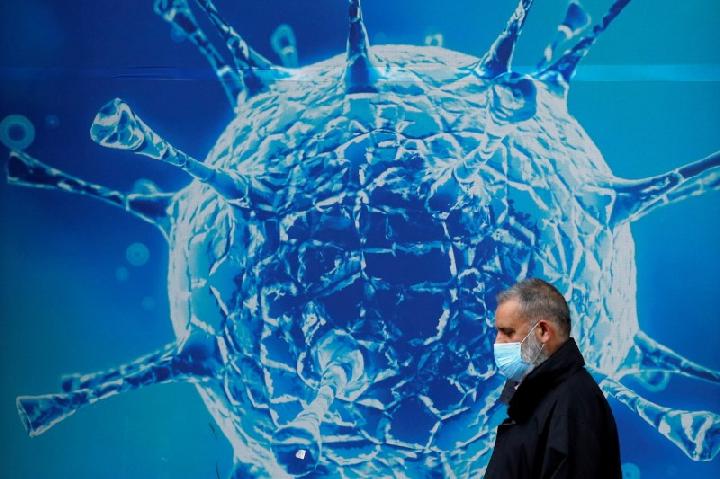
The Department of Health states that meningococcal infection is mainly spread via respiratory droplets or direct contact with respiratory secretions. The incubation period is 2 to 10 days, typically 3 to 4 days.
Common Symptoms:
- Meningococcal Meningitis: High fever, severe headache, stiff neck, lethargy, vomiting, photophobia, rash.
- Meningococcal Septicemia: Sudden fever, severe headache, skin rash (petechiae or purpura), shock.
- Severe cases can lead to brain damage, intellectual impairment, hearing loss, and even death. Invasive infections can also cause arthritis, myocarditis, or pneumonia.
Prevention Measures:
- Vaccination: Registered meningococcal vaccines in Hong Kong include MenACWY and MenB. High-risk individuals are advised to consult a doctor.
- Hygiene: Wash hands frequently, cover mouth and nose when coughing or sneezing.
- Avoid Crowds: Try to avoid crowded places.
- Stay Away from Sick Individuals: Avoid close contact with people who have fever or severe headache.
- Watch for Symptoms: If symptoms like sudden fever, severe headache, skin rash (petechiae), or stiff neck appear, seek medical attention immediately.
Sources: Gleneagles Hospital Hong Kong, Department of Health (Hong Kong)