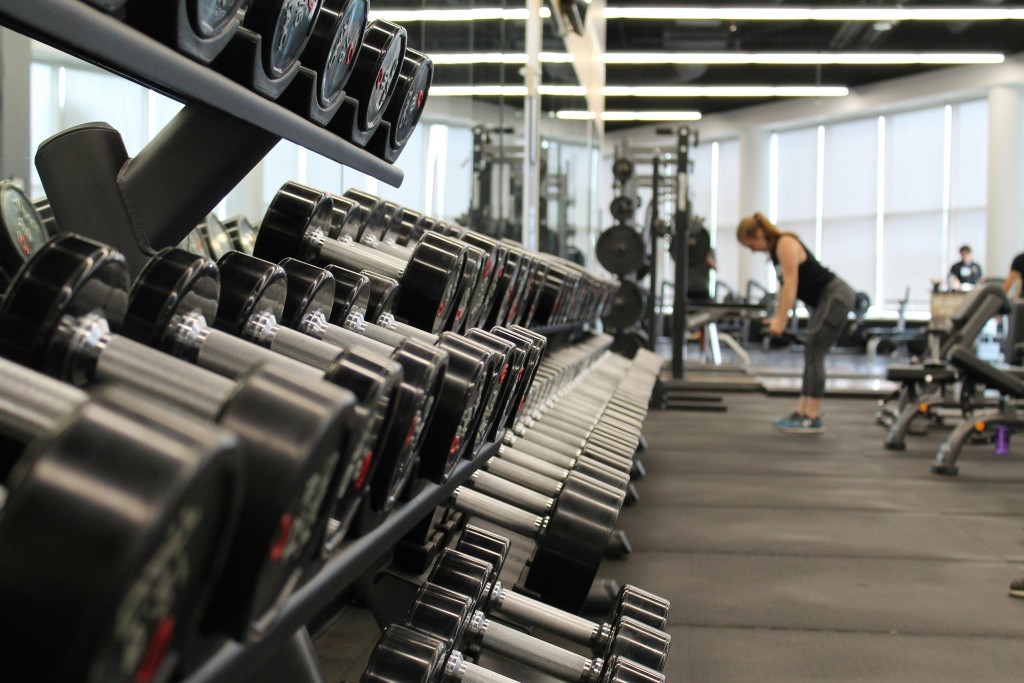
Following a recent high-profile incident covered by TVB's Scoop involving a "germ-spreading" individual, a local gym reportedly conducted an emergency deep clean due to the person's activity history. This has heightened public concern about hygiene in public fitness facilities and sparked a wave of discussion about "gym precautions." In fact, the cleanliness of gym equipment may be far worse than most people imagine. Past UK research has identified 3 major bacterial breeding grounds in gyms, with one common piece of equipment harboring over 300 times more bacteria than a household toilet.
Dumbbells and Other Equipment Have Alarming Bacteria Levels
The UK fitness equipment advisory website FitRated once published authoritative research on bacteria levels in gym equipment. The results showed that weight training equipment like dumbbells and barbells, most frequently touched by gym-goers, were heavily contaminated – their bacteria levels were 362 times higher than a toilet seat. The study specifically named the following 3 pieces of gym equipment as major bacterial breeding grounds (measured in colony-forming units, CFU):
- Treadmill: Cultured up to 1,333,432 bacteria, 74 times higher than a public restroom faucet (18,000 CFU).
- Exercise Bike: Cultured up to 1,333,418 bacteria, 39 times higher than a restaurant tray (33,800 CFU).
- Weight Dumbbell: Cultured up to 1,158,381 bacteria, 362 times higher than a toilet seat (3,200 CFU).
On these three common equipment types, researchers detected Gram-negative rods, Gram-positive cocci, and Bacillus. Among these, Gram-positive cocci can cause skin infections, pneumonia, and sepsis. An estimated 90% to 95% of Gram-negative bacteria are harmful to humans, and some can even develop drug resistance. Certain species of Bacillus, commonly found in soil, can cause food poisoning.
Over Half of Gym-Goers Don't Have Cleaning Habits
The high bacterial contamination on gym equipment is closely related to the personal hygiene habits of users. Taiwanese chest medicine and critical care specialist Dr. Huang Xuan, citing foreign research data on his personal blog "Dr. Huang Xuan's Salon," pointed out that most bacteria in gyms come from the users themselves. Surveys revealed that over half of gym-goers never wash their gym bags or workout clothes, allowing these personal items to accumulate bacteria over time. Therefore, Wong strongly recommends that gym-goers thoroughly disinfect equipment surfaces before and after use and wash their hands thoroughly afterward to reduce the risk of bacterial infection.
Doctor's 11-Point Guide to Gym Hygiene
To help fitness enthusiasts strengthen self-protection, Huang compiled the following 11 practical methods for maintaining personal hygiene:
- Wash Hands Frequently: Wash hands before and after touching various exercise equipment. Bring your own 75% medical alcohol to disinfect hands or equipment surfaces you are about to touch.
- Thoroughly Disinfect Equipment Surfaces: Before use, use the disinfectant solution or spray provided by the gym. Spray it on the skin-contact surfaces of the equipment, then wipe thoroughly with a paper towel before starting.
- Avoid Touching Your Face During Exercise: Avoid habits like touching your face, especially your mouth, nose, and eyes, to prevent germs from entering. If you need to wipe sweat, use a completely clean small towel.
- Avoid Peak Crowded Hours: Congested hours during peak times can easily accelerate germ spread and cross-infection. Try to choose less crowded times for your workout.
- Don't Lift Weights with Open Wounds: If you have skin wounds, avoid going to the gym for weight training unless necessary. If you must go, properly bandage your wounds before touching any equipment to prevent direct contact and infection.
- Bring Multiple Small Towels: Bring 2-3 small towels each time: one specifically to place on exercise equipment (e.g., to cover the seat or backrest), one only for wiping your face, and another only for wiping sweat from your body and limbs.
- Bring Flip-Flops for Showering: After exercising, never walk barefoot on the locker room or public restroom floors. The dirtiest, most bacteria-dense areas in the entire gym environment are the locker rooms and restrooms.
- Regularly Clean Your Gym Bag: Your gym bag must be cleaned and washed regularly. Use disinfectant spray or scrub with soap, choosing a cleaning method suitable for the bag's material.
- Wash Workout Clothes Immediately After Exercise: Wash and disinfect your workout clothes immediately after changing, using warm water, laundry detergent, and disinfectant. After washing, dry them thoroughly under sunlight or in a well-ventilated area before wearing again.
- Bring Your Own Personal Gear: Try to bring your own personal exercise aids, such as yoga mats, weight belts, resistance bands, to minimize sharing with others.
- Avoid Using Public Water Fountains: Gym water fountains, used by many people with easily touched spouts, pose a high risk of cross-infection. Bring your own bottled water.
Source: Taiwanese Chest Medicine and Critical Care Specialist Dr. Huang Xuan