Read More

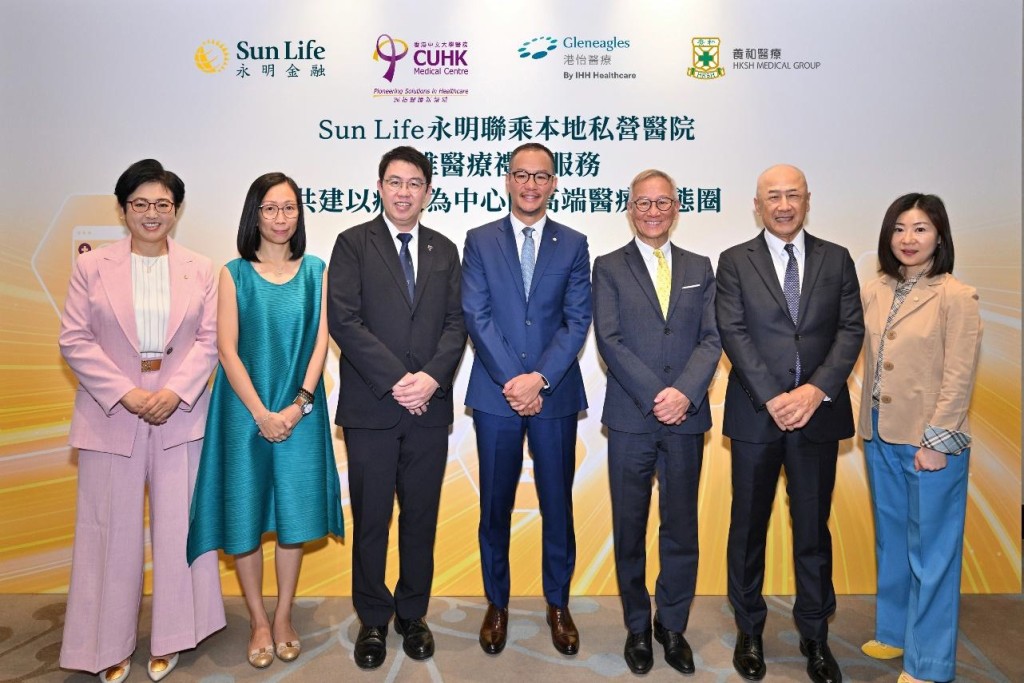
Sun Life launches eSun Pro to boost healthcare transparency
15-09-2026 21:30 HKT

Canadian World Cup winger Jayden Nelson survived rare cancer as an infant
24-06-2026 12:00 HKT


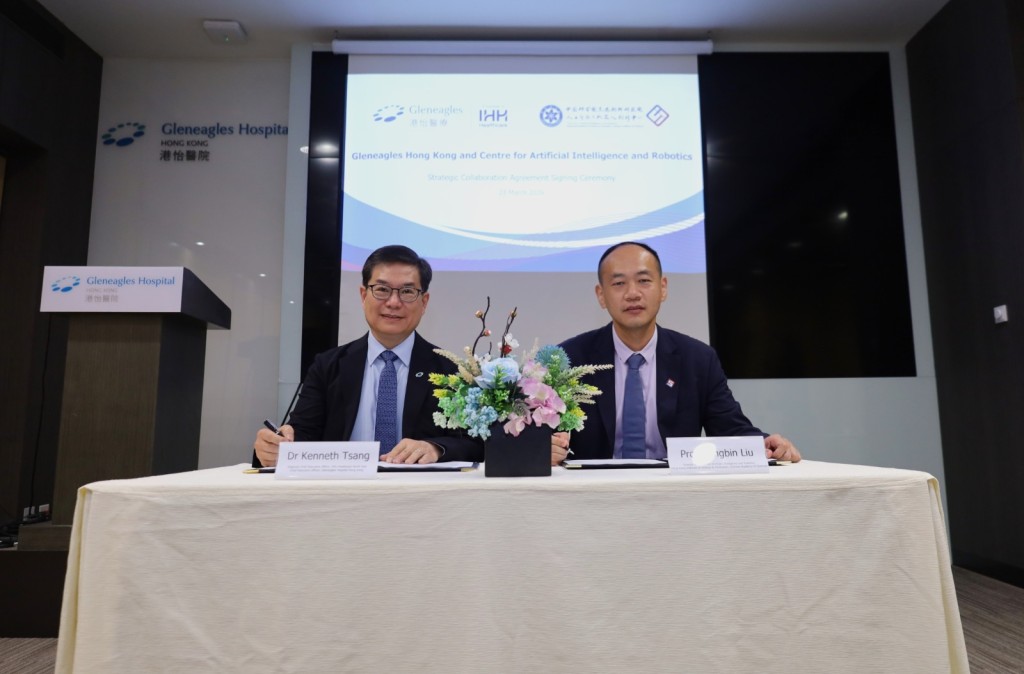




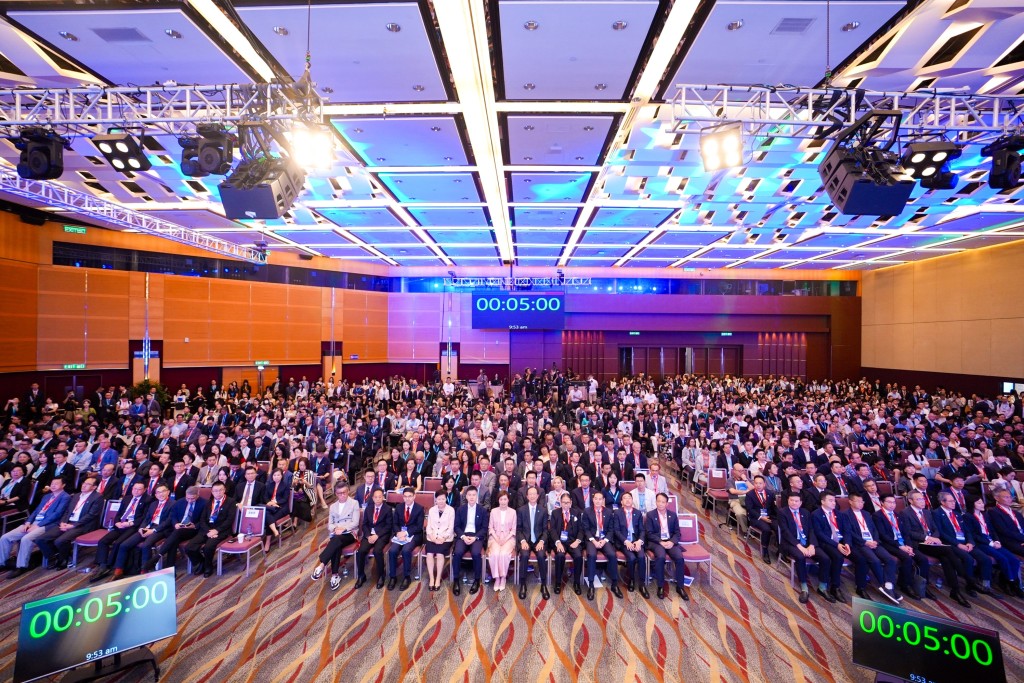
Artificial intelligence is increasingly being explored as a tool to improve healthcare delivery, with experts at the 2026 Global Healthcare Summit examining how AI can be applied across drug discovery, medical imaging, clinical decision-making, hospital operations and patient services.
Held under the theme “Exponential: From Breakthrough Discoveries to Global Impact,” nearly 200 speakers from clinical institutions, research universities and technology companies shared their views at the summit on how medical AI can move beyond technical capabilities and into practical clinical use, examining platform ecosystems, computing infrastructure, data and specific use cases.
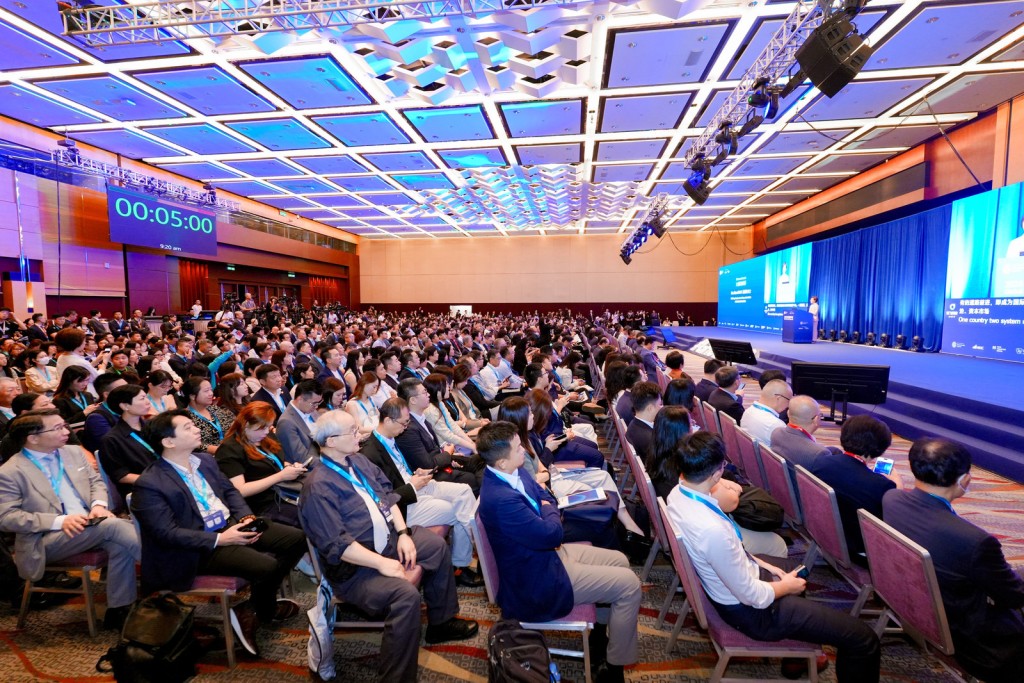
Over 3,000 participants examined the challenges of integrating AI into healthcare while maintaining care quality and data security. Discussions stressed the importance of respecting clinicians’ professional judgment as AI tools are used to support diagnosis and treatment and improve efficiency.
New Frontier Group, one of the co-hosts of the 2-day summit, said its AI suite has achieved a 90 percent clinical adoption rate across its healthcare network. The company said the system can save clinicians up to two hours a day.
Another co-host, Hong Kong Investment Corporation Limited (HKIC)’s chief executive Clara Chan Ka-chai said biotechnology and health technology remain priority sectors, with HKIC leveraging Hong Kong’s strengths as an international financial center and its access to global innovation resources to support healthcare innovation.
She said the summit builds on HKIC and New Frontier’s “Rooted in Hong Kong, Connected with the Greater Bay Area” partnership, bringing together capital, research and healthcare communities to turn scientific discoveries into real-world impact.
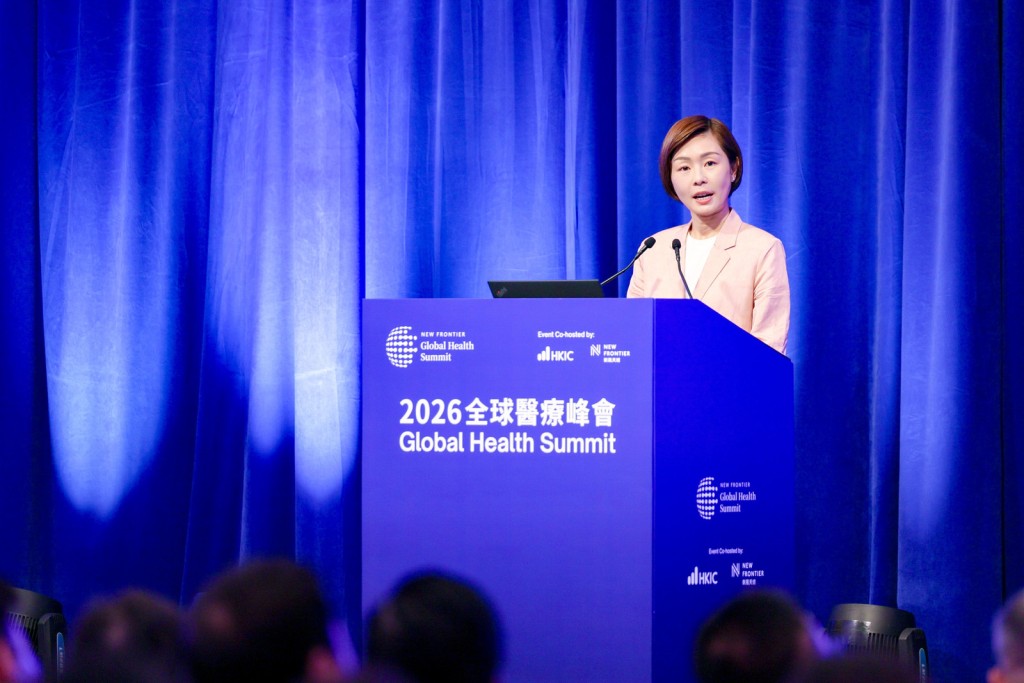
The summit also brought together medical experts to discuss the translation of research into clinical practice, including Chinese Academy of Engineering academicians Dong Jiahong and Ji Jiafu, who shared their experience in translating medical research into clinical applications.
Wang Puzhong, chief executive of Meituan’s Core Local Commerce Division, said AI and digital technologies could help healthcare resources reach people who need them more efficiently. He said Meituan would continue working as a connector in healthcare services to improve access to medical resources and help build an “intelligent 15-minute healthcare service circle.”