Read More


Experts reveal sitting for 7 hours daily shortens lifespan
03-11-2025 12:00 HKT

10 foods contributing to longevity in elderly
31-10-2025 12:00 HKT


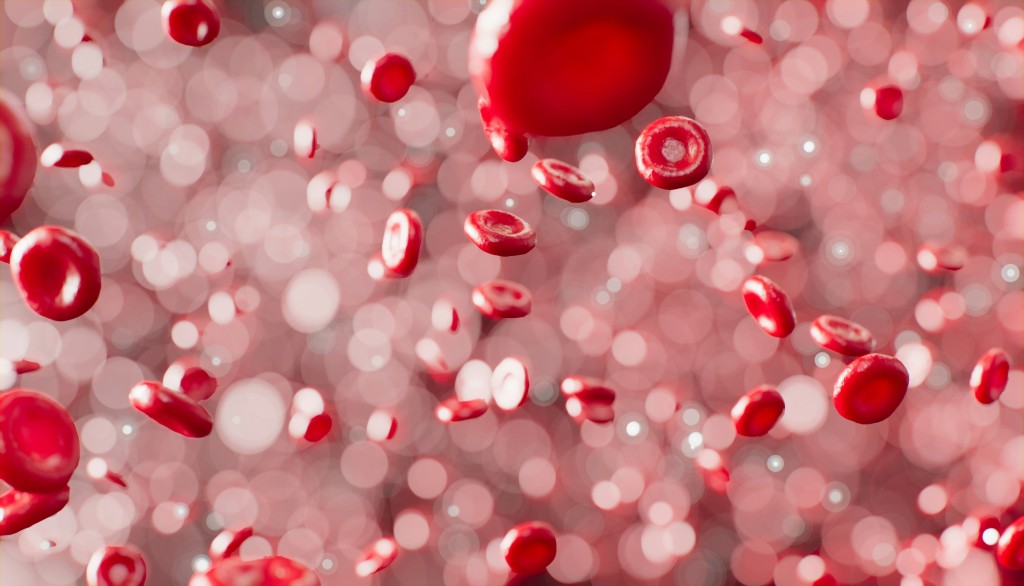
According to a report by the Japanese media 《女性セブンプラス》, the vascular system spread throughout the body continuously delivers oxygen and nutrients to cells and removes carbon dioxide and metabolic waste. Since blood vessels play a key role in maintaining vital functions, many people might feel helpless and choose to give up when facing age-related changes, rising blood pressure, and worsening arteriosclerosis.
However, multiple experts point out that regardless of age, everyone can use the following methods to build healthy blood vessels that can last 100 years.
Research indicates that aerobic exercise effectively maintains vascular health by stimulating endothelial cells to secrete hormones with vasodilating functions. The increased oxygen intake during exercise promotes blood circulation, reduces clot formation, lowers blood pressure, and also strengthens heart, lung, and kidney function while improving overall endurance.
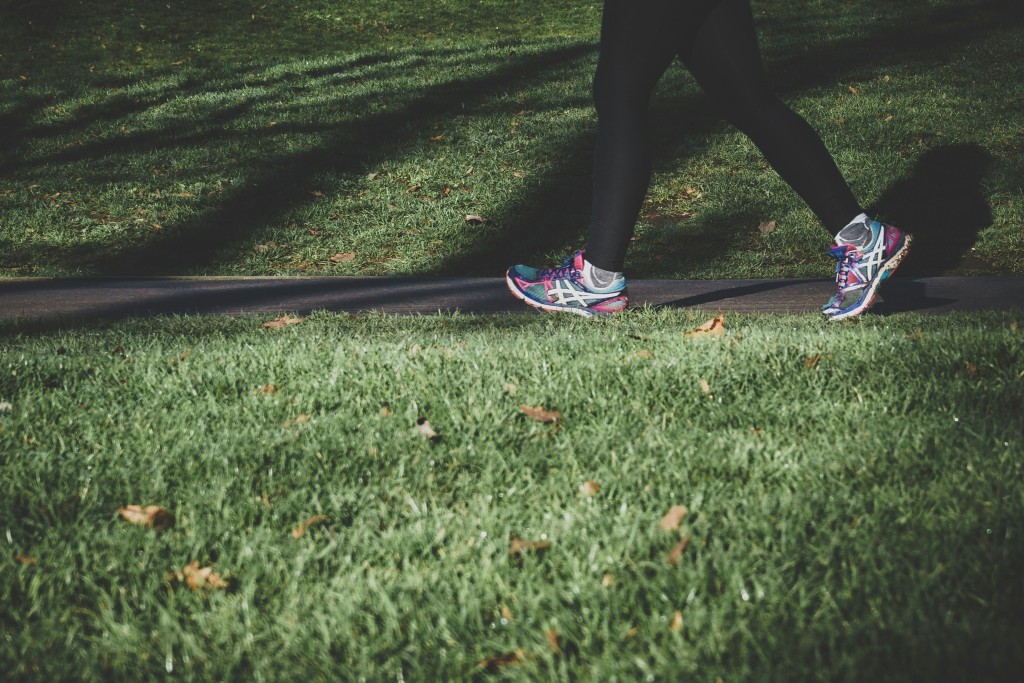
Although many people have developed a daily walking habit, leisurely strolling offers limited benefits for vascular health. Brisk walking of moderate intensity, reaching a slightly breathless state, is recommended for tangible effects. Some studies show that high-intensity exercise, like running, offers no additional benefit for vascular softening. The ideal pattern is 20-30 minutes of moderate-intensity walking daily. During hot summers, one can choose to walk in large, air-conditioned shopping malls; indoor stationary cycling is also an effective alternative.
While muscle training has a limited effect on lowering blood pressure, it can significantly improve blood sugar control, so it's still highly recommended. For older adults, strength training is even more effective in preventing sarcopenia and frailty. Note that muscle tissue requires a longer recovery period after damage, so it's advised to perform muscle training only two to three times per week.
The calf muscles are known as the body's "second heart." Their pumping action helps push blood from the lower body, where it tends to pool, back to the upper body, effectively promoting circulation and preventing thrombosis. It is recommended to perform this 10 times each, morning and evening. The specific method is as follows:
Excessive salt intake leads to hardened blood vessels and increased blood pressure. The recommended daily salt intake is no more than 7.5g for men and 6.5g for women. Utilize natural seasonings like vinegar, broth, and herbs as salt substitutes. If you have consumed too much salt, pay attention to your potassium intake. Potassium can dilate blood vessels and promote sodium ion metabolism. Therefore, it's recommended to eat tomatoes, lemons, bananas, and apples; when eating high-salt foods, consider pairing them with tomato juice.
It is important to note, however, that individuals with abnormal kidney function should be cautious about potassium supplementation to avoid triggering arrhythmias.
It is recommended to actively consume foods that have blood-thinning effects, including tea, fish, seaweed, natto, vinegar, mushrooms, vegetables, and onions. The key is maintaining dietary diversity rather than repeating single ingredients, and developing the habit of eating vegetables first during meals, which enhances satiety and mitigates blood sugar spikes. Furthermore, the antioxidant properties of vegetables help lower cholesterol levels. If your blood sugar is already well-controlled, you can maintain your current dietary pattern.
Insufficient sleep and accumulated stress significantly impact vascular function and blood pressure readings. Even with strict salt control, blood pressure may remain difficult to lower effectively if one is consistently under high stress.
It is recommended to undergo blood pressure pulse wave tests (CAVI, PWV). This test only requires measuring blood pressure in the limbs while lying down and placing a heart sound microphone on the chest to record pulse waves; the entire process is painless. Another test, the Ankle-Brachial Index (ABI), assesses the degree of arterial blockage by comparing blood pressure in the arm and ankle.
The Hong Kong Department of Health points out that when fat accumulates, a layer of deposits forms on the inner wall of blood vessels, causing them to harden, narrow, become blocked, and function impaired. This can lead to ischemia and hypoxia in the body's major organs, causing cardiovascular diseases like heart disease, hypertension, and stroke. Cardiovascular disease is the number one killer globally and one of the leading causes of death and illness in Hong Kong. Recommendations for preventing cardiovascular disease include: