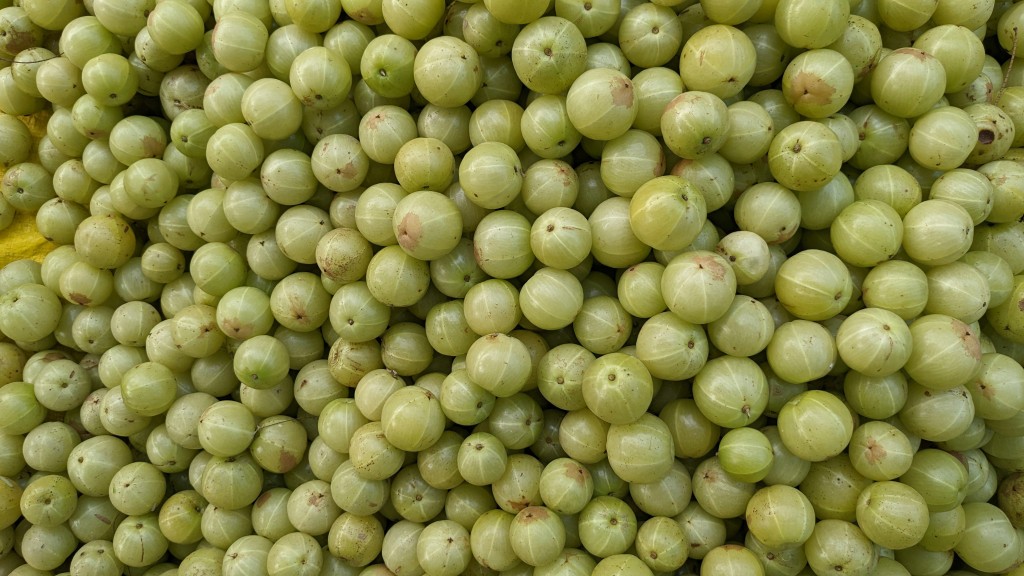




When it comes to Vitamin C content, the representative fruit that comes to mind is the lemon, known for its high antioxidant capacity. However, a doctor has revealed that lemons are not actually the "king of Vitamin C." There is one fruit with a Vitamin C content 20 times higher than lemons, and it's also a "boon" for maintaining prostate and urinary tract health.
Urologist Dr. Lui Gan-hang recently shared on his personal Facebook page that Amla, Indian gooseberry, available commercially, tastes sour and astringent at first but has a sweet aftertaste after chewing. In recent years, the medical community has confirmed its super-strong antioxidant power, with a Vitamin C content up to 20 times that of lemons, making it an excellent choice for protecting urinary system health:
Nutritional Components of Amla
Amla, also known as Indian gooseberry, contains the following nutrients in its fruit and juice:
- Vitamin C
- Polyphenols
- Ellagic Acid
- Tannins
- Various bioactive components
Therefore, its antioxidant and anti-inflammatory capabilities rank among the top natural foods.
How to Eat Amla: Recommendations and Dosage
- Eating fresh Amla fruit or juice: A small amount daily, about 10-20g of pulp.
- Taking Amla supplements: Supplements are commonly available as powder/capsules; the recommended daily amount is about 500-1,000mg.
- Combining with other supplements: Taking it with Vitamin C and Zinc supplements can enhance the effect, benefiting prostate health.
Amla Contraindications: Who Should Avoid It?
People with excessive stomach acid or gastric ulcers: Amla is highly acidic; consuming it on an empty stomach may stimulate gastric acid secretion. Those with high stomach acid or ulcers are advised to consume it after meals.
- People taking anticoagulants (blood thinners): Amla has antiplatelet effects; those taking anticoagulants should avoid it.
- Individuals with renal insufficiency: Those with poor kidney function should avoid excessive intake to prevent potassium buildup in the body.
- Avoid untested Amla products: Untested products may contain heavy metals or pesticide residues.
3 Major Health Benefits of Amla
- Powerful Antioxidant and Anti-inflammatory
- Amla can scavenge free radicals and reduce chronic inflammation.
- Studies indicate long-term intake can lower inflammatory markers like C-reactive protein (CRP) and IL-6, helping delay chronic diseases.
- Slows the progression of chronic conditions like diabetes and cardiovascular disease.
- Comprehensive Protection for Urinary Tract and Prostate
- Inhibits oxidative stress and prostate tissue fibrosis.
- Has potential benefits for prostate enlargement (BPH) and chronic prostatitis.
- Amla has a mild diuretic effect, aiding smooth urination and reducing the risk of urinary tract infections.
- Improves lower urinary tract symptoms like difficulty urinating and frequent urination; reduces the risk of kidney stone formation.
- Metabolic Regulation
- Stabilizes blood sugar and blood lipids, helping to maintain kidney and bladder function.
- Reduces the risk of diabetic bladder dysfunction or nephropathy.
What is Vitamin C? How Much Should You Take?
According to data from the Queen Mary Hospital nutrition department, Vitamin C's main roles in the body include resisting damage to cells from external free radicals, keeping bones, teeth, and blood vessels healthy, assisting in collagen formation, and aiding iron absorption.
- Daily Intake: The US DRI recommends 75mg per day (women) and 90mg (men). As long as one usually eats sufficient fruits and vegetables, the body's resistance will naturally strengthen, thereby achieving disease prevention.
- Vitamin C is a water-soluble vitamin, so excess amounts are excreted in urine. If you want to boost resistance in the short term, you can try consuming 1000mg of Vitamin C daily. However, because the intestines have a mechanism to control Vitamin C absorption, consuming large amounts of Vitamin C supplements may increase urinary oxalate excretion or cause gastrointestinal discomfort. The current recommended upper limit for Vitamin C intake is 2000 mg.
Vitamin C in fruits and vegetables can be lost through exposure to air, heating, or freezing. Therefore, try to consume fruits and vegetables raw or stir-fried quickly. Additionally, choosing foods/drinks fortified with Vitamin C, such as breakfast cereals or juices, can also increase intake opportunities.