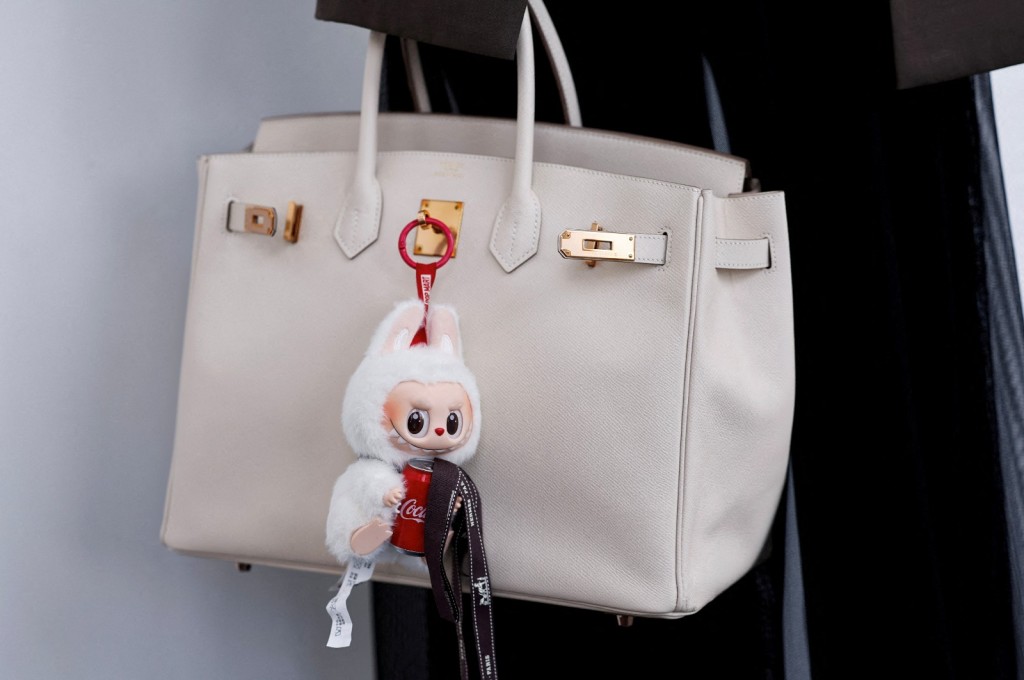
Online shopping platforms are popular for their wide variety and affordable prices, but products may carry the risk of containing potential carcinogens exceeding safety standards. Recently, the Korea Customs Service conducted an investigation into counterfeit goods sold on overseas shopping platforms. They discovered that counterfeit "Labubu" keychains had phthalate (plasticizer) levels exceeding the standard by 344 times. Long-term exposure leading to poisoning could increase the risk of infertility.
Three Major Carcinogens Exceed Standards in Online Jewelry Purchases
According to a report by the Korean media JoongAng Ilbo, the Korea Customs Service stated that with major overseas shopping festivals like China's "Double Eleven" and America's "Black Friday" approaching, they are strengthening crackdowns on illegally imported goods through overseas direct purchasing channels. On the 5th, they announced the results of a special inspection on counterfeit goods conducted in the first half of the year.
This operation seized a total of 606,443 items. Among 250 items selected for component analysis, including jewelry that comes into direct contact with skin, 112 items were found to contain carcinogens such as lead, cadmium, and phthalates, all exceeding safety standards. Some products even showed heavy metal levels up to 5,527 times over the limit.
This inspection also covered goods sold directly through live commerce streams on social media platforms like Instagram and YouTube. Testing of 42 pieces of counterfeit jewelry revealed that 24 of them (57.1 percent) had lead or cadmium levels exceeding standards. The Korean Customs Service further explained that the lead content in these jewelry items reached a maximum of 41.64 percent (4,627 times the standard), and the cadmium content reached a maximum of 12.0 percent (120 times the standard). Data indicated that these heavy metals were not just surface coating residues but were intentionally added as primary raw materials during the manufacturing process.
Counterfeit "Labubu" Phthalates 344 Times Higher
Among the various counterfeit goods were keychains of the globally popular "Labubu" IP from Pop Mart this year. Component analysis of five samples found that two of them had phthalate levels exceeding the standard by 344 times, including the counterfeit "Labubu" products. According to definitions by the International Agency for Research on Cancer (IARC), lead, cadmium, and phthalates are harmful carcinogens. Poisoning from lead and cadmium can cause kidney, digestive, and reproductive system diseases; while phthalate poisoning may lead to impaired reproductive ability and endocrine disruption.
Lee Myung-koo, the Commissioner of the Korea Customs Service, seriously urged that importers of counterfeit goods often deliberately bypass safety regulations, and such products are highly likely to harbor serious safety concerns. He strongly advised consumers to develop proper consumption awareness and proactively avoid purchasing dangerous goods that lack safety certification.
Excessive Heavy Metal Intake May Harm Brain/Liver/Kidneys
What are the impacts of heavy metals on human health? According to information from the Hong Kong Department of Health, some heavy metals, like copper and zinc, are essential nutrients for various physiological and biochemical functions in the human body; insufficient intake can lead to deficiency diseases. However, heavy metals such as mercury, lead, and arsenic offer no health benefits.
People can be exposed to small amounts of heavy metals through food, water, air, and products. Some heavy metals can cause poisoning even at low concentrations, damaging tissues like the brain, kidneys, lungs, liver, and blood, and altering their functions. Among these, poisoning from mercury and lead is the most common, accounting for over 80 percent of all cases.
As per the Hong Kong Centre for Food Safety, chronic lead poisoning can lead to anemia, hypertension, digestive symptoms, kidney impairment, neurological damage, impaired fertility, and adverse pregnancy outcomes. Infants, young children, pregnant women, and breastfeeding women are more susceptible to the effects of lead.
Regarding cadmium, animal studies show that acute cadmium poisoning may damage the gastrointestinal tract and affect the functions of the liver, heart, and kidneys; while chronic cadmium poisoning affects the kidneys, impairing renal tubule function and leading to conditions such as proteinuria, glycosuria, and aminoaciduria.
8 Kinds of Daily Products Contain Phthalates – Breast Cancer Risk May Increase by 80pc
According to the Centre for Food Safety, plasticizers (also known as softening agents) are added to materials like hard plastics to make them more flexible and durable. They are widely used in various industrial and consumer products, primarily in Polyvinyl Chloride (PVC) products, with some used in food contact materials. Phthalates are the most common type of plasticizer, typically used in manufacturing the following products:
- Daily Use Items: Clothing, cosmetics, perfumes, food packaging, toys, and vinyl products (e.g., flooring, shower curtains, raincoats)
- Medical Supplies: Blood transfusion bags, transfusion tubes, intravenous solution bags, intravenous solution tubes, and other medical equipment
- Other Uses: Building materials, lubricants, solvents, and cleaning agents.
The International Agency for Research on Cancer (IARC) noted in 2011 that the mechanism by which DEHP (one type of phthalate plasticizer) causes cancer in multiple target tissues (e.g., liver and testes) in rats or mice might also operate in humans, and therefore classified DEHP as a Group 2B agent (possibly carcinogenic to humans). Additionally, Academia Sinica in Taiwan released a study in 2014 that tracked 11,923 women for 20 years, confirming that women frequently exposed to phthalate-containing products had a 90 percent higher risk of developing breast cancer compared to the general population.