Read More





Six senior counsel appointed
31-03-2026 13:54 HKT
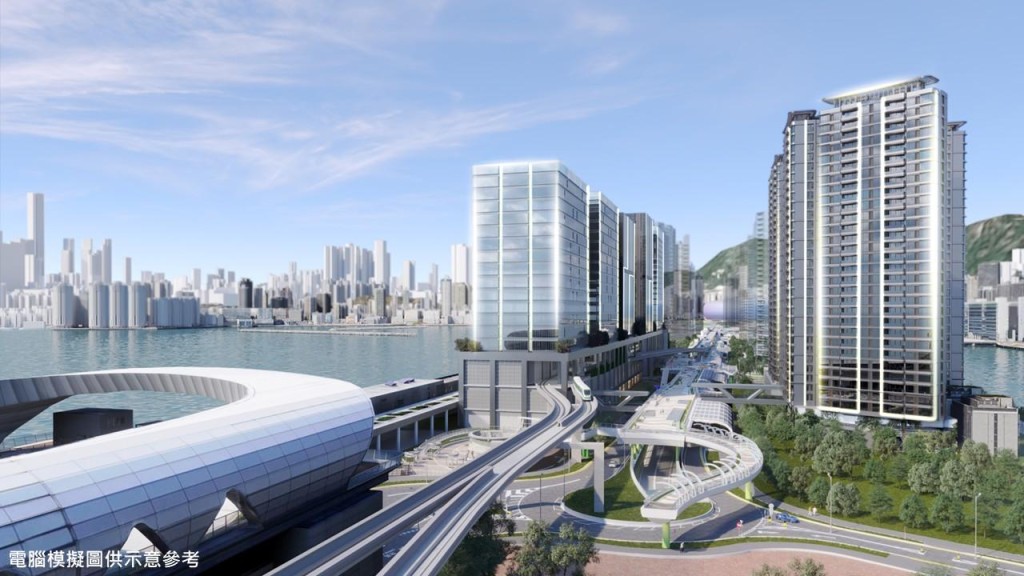
Approval granted for Kai Tak’s six-stop Smart & Green Mass Transit System
31-03-2026 16:27 HKT
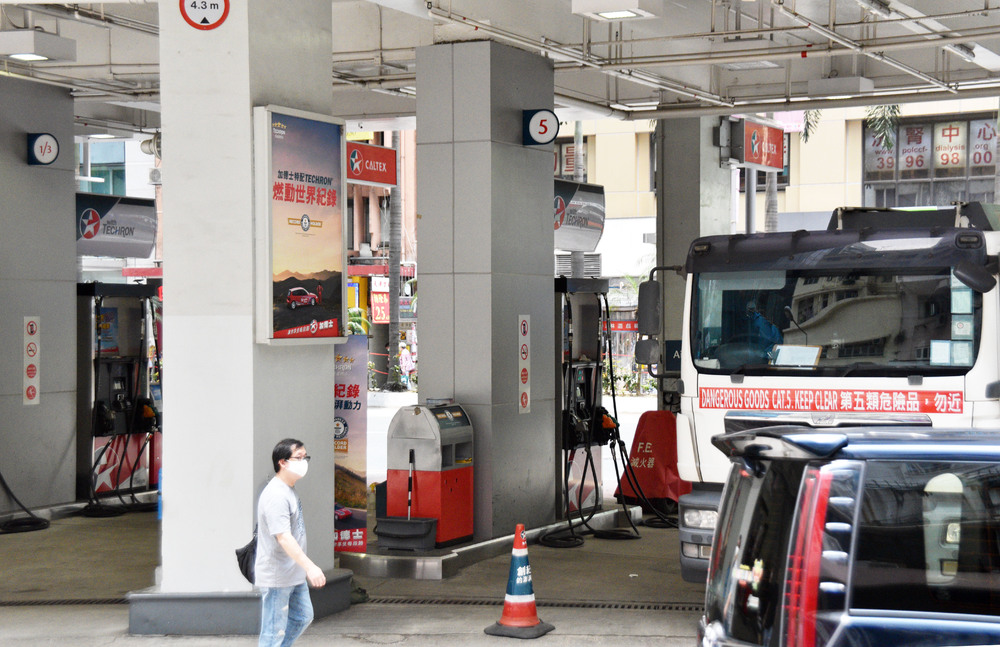
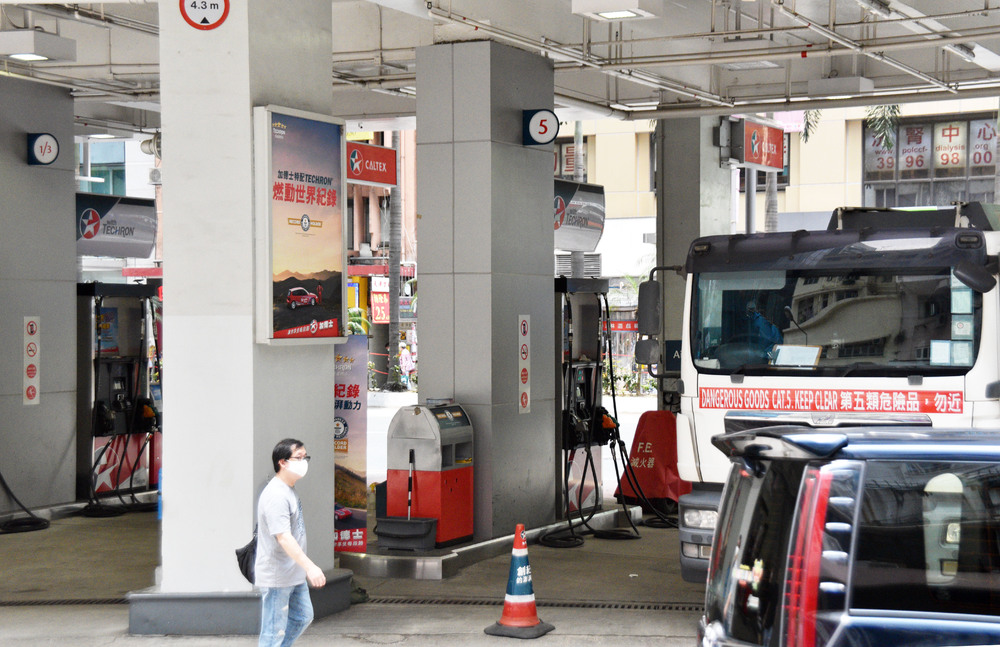
Oil prices have receded from their peaks over the last couple of months but there's been no relief in sight for drivers in Hong Kong where gas prices remain stubbornly high.
And while petroleum companies are quick to raise prices but slow to lower them, critics say the government is content to let free market forces prevail as higher prices will reduce demand and therefore help cut oil and carbon emissions.
After peaking at US$133 (HK$1037) in March, Brent crude fell below US$100 for the first time since April last month amid fears of an impending global recession and its effect on future crude oil demand.
Yet, retail petrol prices have steadily risen over the last six months and barely retreated.
Between April 11 and June 27, drivers paid an average HK$23.13 per liter compared to the average worldwide price of HK$15.79 over the same period, according to the energy website globalprices.com.
Retail fuel prices are monitored by the Environment and Ecology Bureau, which also has to work towards the goal of making Hong Kong's roads carbon-free by 2050 under the Climate Action Plan 2050 announced last year.
Market watchers also blame high prices on collusive pricing among petroleum firms.
Last year, the Competition Commission indicated that it started an investigation into suspected anti-competitive behavior of individual oil companies.
But despite the findings, the commission was unable to prevent price hikes, said Holden Chow Ho-ding, a lawmaker from the Democratic Alliance for the Betterment and Progress of Hong Kong.
"The current oil policy is supervised by the Environment and Ecology Bureau, which does not see soaring prices as a problem as this may deter people from driving," he said.
Chow said there is a significant number of people who drive for a living, and criticized the bureau's indifference to the plight of people who are affected by inflation.
He said petrol policy should come under the purview of the Commerce and Economic Development Bureau, which can balance the needs of consumers.
TAXING MATTER
Kevin Tsui Ka-kin, an associate professor of economics at Clemson University, said that while cars are not a daily necessity and the government has no reason to intervene in the market, it should explain why it imposes a tax on petrol.
The current tax on unleaded gasoline is HK$6.06 per liter, but the government has never explained why the tax should be paid, and its worth discussing whether the tax is a carbon emission levy, so as to measure whether the amount is reasonable or not, he said.
Also, the government should allocate more land for gas stations, provide rent or tax concessions, and even directly subsidize fuel, Tsui said.
In addition, he believes that the introduction of more oil companies or 95-octane gasoline in the market could help drive down prices.
Hong Kong currently only offers three types of fuel - 98-octane standard unleaded gasoline, 98-octane premium unleaded gasoline and diesel - and there are no cheaper 92- or 95-octane gasoline options.
In response, the bureau said that discounts provided by oil firm in stores and through membership cards have increased to a recent maximum of HK$5.2 per liter from HK$0.9 per liter in 2019.
It said the gasoline prices are operated under the free market economy principle and the government will not intervene, and that retail prices are roughly in line with the trend of import prices and international oil prices.
The bureau also said on its website that it "has been in close contact with oil companies and urged them to promptly adjust prices in tandem with international oil price movements to lessen the burden on the public."