With inflation rising across the world and driving up the cost of living everywhere, Hongkongers could consider investing in global inflation-linked bond funds as well as the government's iBonds to hedge against this risk.
While Hong Kong's inflation slower by 1.2 percent in January year-on-year compared to a month ago, US consumer prices rose by 0.6 percent in the same month, driving up annual inflation by 7.5 percent, the biggest increase in 40 years, with other Western states also raising the red flag over inflation.
There are also fears that higher inflation could now reach the shores of Hong Kong, because of its open economy.
Inflation-linked bonds, whose principal and coupon rates are pegged to the rate of inflation, have been long considered a good hedge against inflation.
In other words, the value of these bonds grow with inflation.
For instance, if an inflation rate of 3 percent is logged before the bond's maturity, the principal will increase by the same amount and the interest will be based on the updated amount.
Generally, the lower the risks, the lower the profits.
Inflation-linked bonds usually offer lower yields compared to other bonds, as investors have lower exposure to inflationary risks.
Such bonds issued in high-inflation markets may offer higher returns and investors can tap into these markets by investing in funds such as the US dollar-denominated BlackRock Global Inflation Linked Bond Fund - D3 - which paid 3.58 percent over past 12 months. Funds from Axa, Pimco and Aberdeen Standard are also worth looking at.
However, investors are advised to look carefully at the interest rate and the currency, two tools frequently used by central banks to curb inflation.
An interest rate hike to tame inflation will lead to a fall of the inflation-linked bond's price. But, the currency will also strengthen at the same time and such a rise could offset part of the loss in the bond's price.
Another risk is deflation, which would drag down the bond's price and principal.
However, most inflation-linked bonds, which are usually backed by governments worldwide, come with a "deflation floor" that protects the holder's principal value in the event of a deflationary episode.
Hong Kong's inflation-linked bonds are slightly different, with the yield rather than the principal, linked to the rate of inflation.
The three-year iBonds pay interest every six months at a rate linked to local inflation, subject to a floor of 2 percent.
The latest iBond (4246) batch, which was launched last June, paid interest at the minimum rate as Hong Kong's average inflation over the six-month period was lower than 2 percent, and Hong Kong will issue no less than HK$15 billion of iBonds over the next fiscal year.
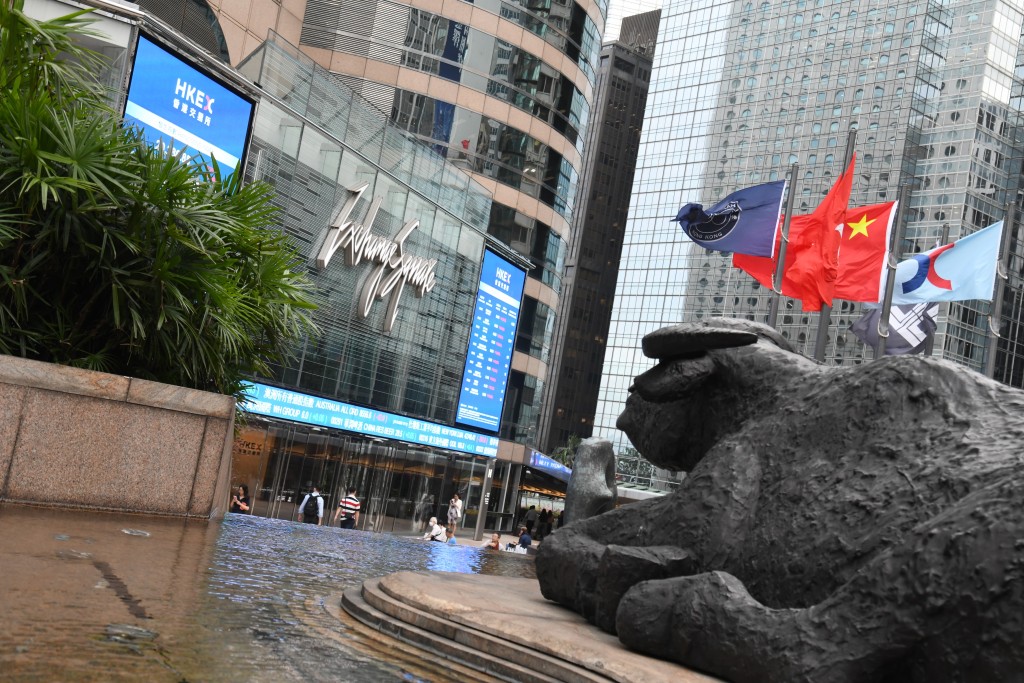
Residents can subscribe to the iBonds or buy the securities from the secondary market as the retail bonds are traded on the city's exchange.
However, investors should take a careful look at the bond prices and the number of remaining interest payments, which could impact the returns.
In addition, no less than HK$35 billion Silver bonds and at least HK$10 billion green retail bonds will be launched for the 2022-23 fiscal year.
Earlier this month, the government unveiled its first retail green bond worth up to HK$6 billion, which will pay interest every six months tied to inflation, of at least 2 percent. However, the bond's launch has been delayed amid the critical Covid situation in the city.