Read More
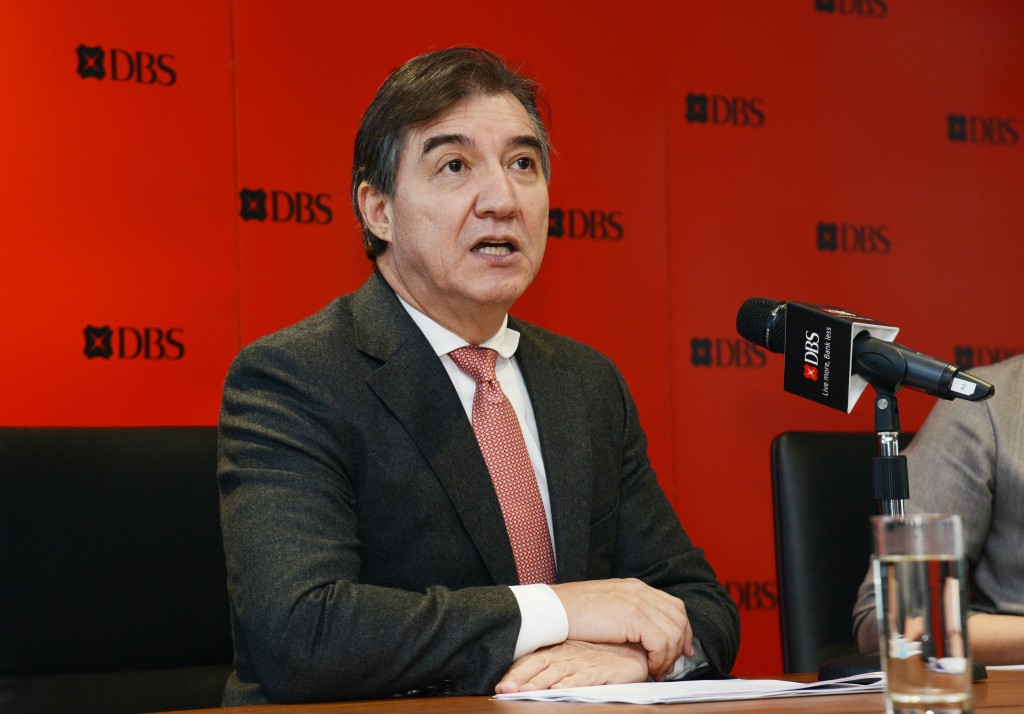
Hong Kong's anti-money laundering and know-your-client controls will significantly restrict the use of stablecoins for derivative trading on blockchain networks, as the cryptocurrency is globally floating, according to Sebastian Paredes, chief executive of DBS Hong Kong.
ADVERTISEMENT
SCROLL TO CONTINUE WITH CONTENT
Speaking at a conference, Paredes stated that the bank would monitor developments and instead focus on building ecosystem capabilities around stablecoin users and issuers to benefit from Hong Kong's growth. The city's Stablecoin Ordinance officially took effect on August 1, with the Hong Kong Monetary Authority expected to publish a licensing list early next year.
Paredes highlighted DBS's experience from its regulated digital exchange in Singapore over the past three years, which includes cryptocurrencies, crypto derivatives, tokenized assets, and bonds. He expressed excitement about stablecoin development globally, particularly under new regulations in the US and Hong Kong, citing cross-border and trade payments as the most promising applications.
Also speaking at the event, Hang Seng Bank's (0011) outgoing CEO, Diana Cesar, noted that regulators have taken a bold step with stablecoin rules as the global trend cannot be ignored. However, she believes application is still in early stages, emphasizing that wholesale and retail usage are distinct domains. For retail, which involves many livelihoods, numerous factors require careful consideration.
Additionally, Cesar mentioned that while AI helps improve efficiency, speed up workflows, and enhance customer experience, it also presents challenges. She stated that banking is a trust-based industry, where adopting technology involves not just efficiency but also responsibilities for data privacy and protection, obliging banks to ensure information is secure.