Ant Group is rushing for its reportedly US$30 billion (HK$234 billion) public sale as soon as mid-October, as the world's most valuable unicorn is facing multiple headwinds from arch-rival Tencent (0700), growing regulatory pressure, while the intensifying geopolitical tensions may bring its overseas ambitions to a standstill.
ADVERTISEMENT
SCROLL TO CONTINUE WITH CONTENT
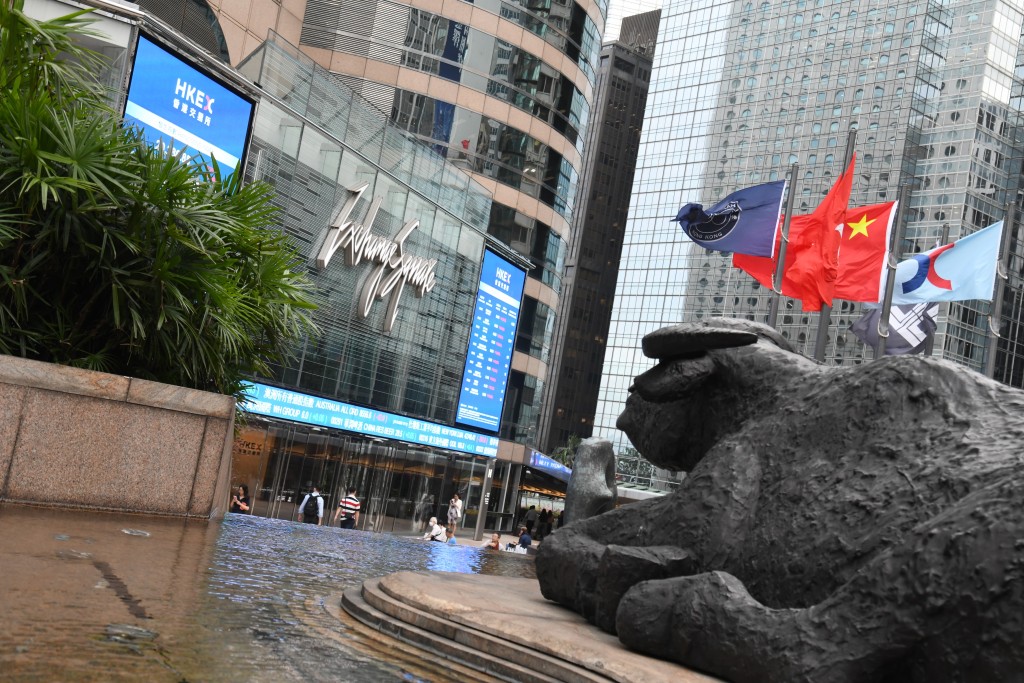
The Alibaba (9988)-backed company is seeking approval for a joint listing in Hong Kong and Shanghai this month, which could be the largest initial public offering around the world, Reuters IFR reported. Some aggressive investors have lifted Ant's valuation to US$260 billion, putting it ahead of Industrial and Commercial Bank (1398), the world's largest bank, the report said.
The parent of China's dominant digital payment platform Alipay plans to use the net proceeds from the IPO to expand cross-border payments and to enhance its research and development capabilities.
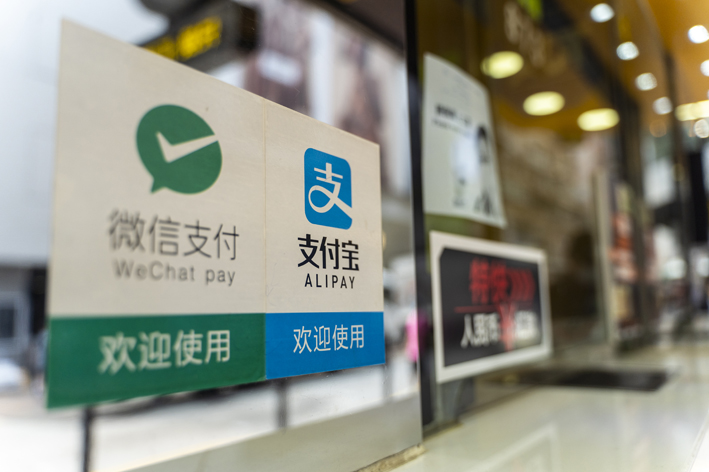
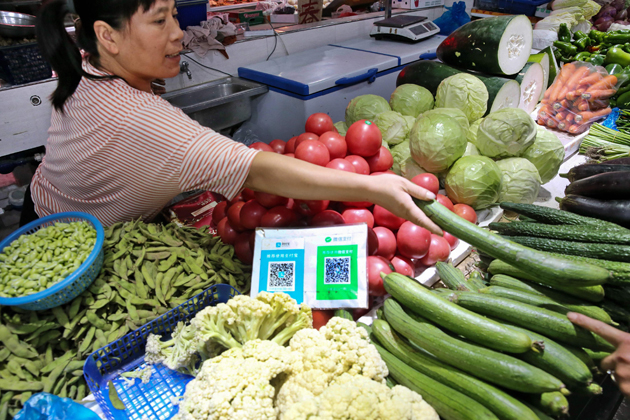
Thanks to the strong network effect through two super apps - Alibaba's Taobao and Tencent's WeChat, Alipay and Tenpay run a duopoly in the mobile payment market in China, where 82.39 percent adults used e-payment in 2018, data from the People's Bank of China showed.
The two giants have redefined China's payments landscape, allowing mainlanders to pay anything from subway rides to medical costs to properties through mobile phones. In the first quarter, Alipay ruled 55.4 percent of the domestic third-party payment market, while Tenpay controls 38.8 percent, according to iResearch.
As of June 30, Alipay has 711 million monthly active users, while Tencent's Weixin and WeChat's MAU was over 1.2 billion, without releasing data of Tenpay. The two ecosystems are completely independent of each other. Taobao does not support Tenpay, while consumers cannot use Alipay for WeChat's peer-to-peer transactions, or services provided by its allies like JD.com (9618) and Meituan Dianping (3690).
Beyond e-payment, the two juggernauts are also competing from online lending to wealth management to insurance.
However, the central government has been tending to undermine their dominance. The State Council's antitrust committee is reportedly mulling to scrutinize into Alipay and Tenpay. Mainland authorities last week passed new rules to tighten oversight of financial holding companies, including Ant.
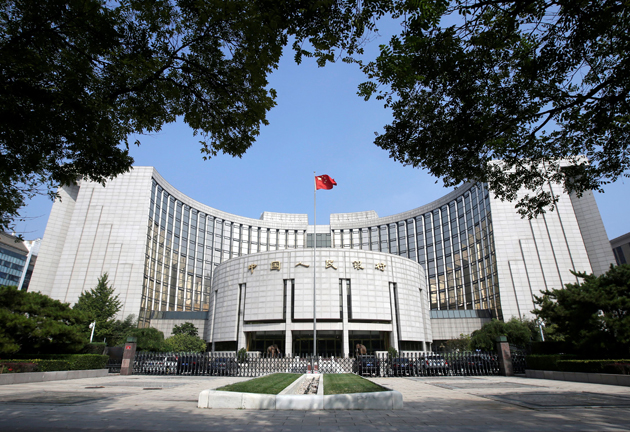
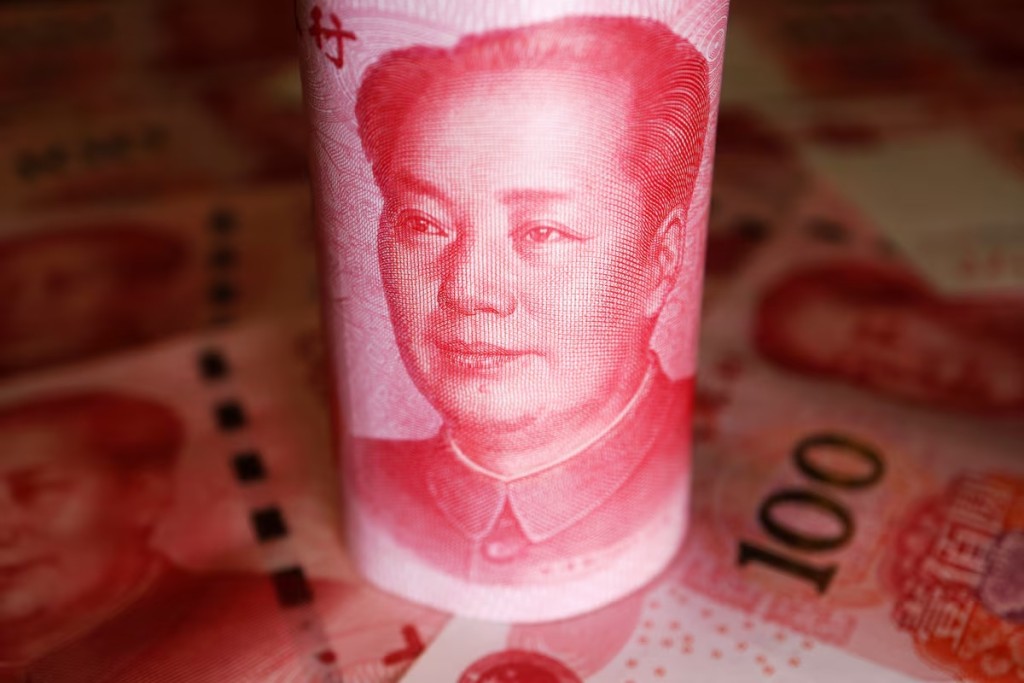
The central bank's digital yuan might be the strongest weapon to end the duopoly. All China's major state-owned banks are conducting large-scale tests for wallets of the upcoming sovereign digital currency, while trials will soon be launched in some developed regions, including Hong Kong.
It is unclear how the e-currency will fit into or change the current industry landscape, Ant warns in its prospectus.
Outside China, expanding global footprints is taken for granted for the world's most valuable fintech company. Alipay is supporting online transactions in more than 200 countries and regions. During the 12 months ended June 30, its international total payment volume has reached 622 billion yuan (HK$705.02 billion).
Meanwhile, offline shops in 56 markets have already accepted Alipay, which mainly targets Chinese tourists. The business has been hit by the Covid-19 pandemic, as few mainlanders travel aboard.
Geopolitical tensions also could pose a threat to Ant's foreign business.
The increasing regulatory challenges against Chinese technology companies, including Alibaba and Ant, may materially and adversely affect its ability to acquire or use technologies, systems, devices, or components, to access US cloud-based systems and other infrastructure, and to operate overseas, it says.
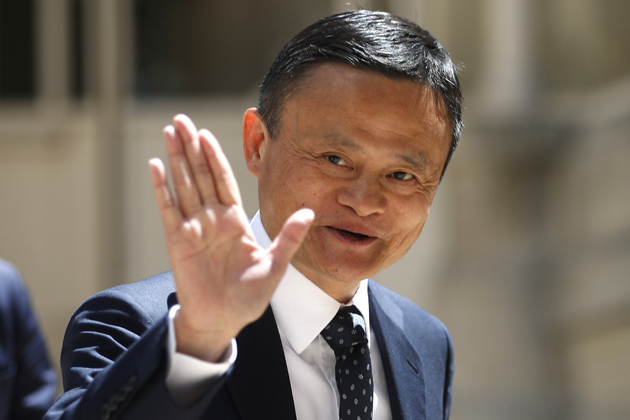
In 2018, Jack Ma Yun, the ultimate controller of Ant, backed away his promise to create 1 million jobs in the United States when the Sino-US trade war just started. In the same year, Ant's attempt to acquire MoneyGram International, an American remittance company, was failed.
Last month, Ant put on hold investment plan in Zomato, an Indian food delivery start-up, amid rising India-China tensions.