Read More






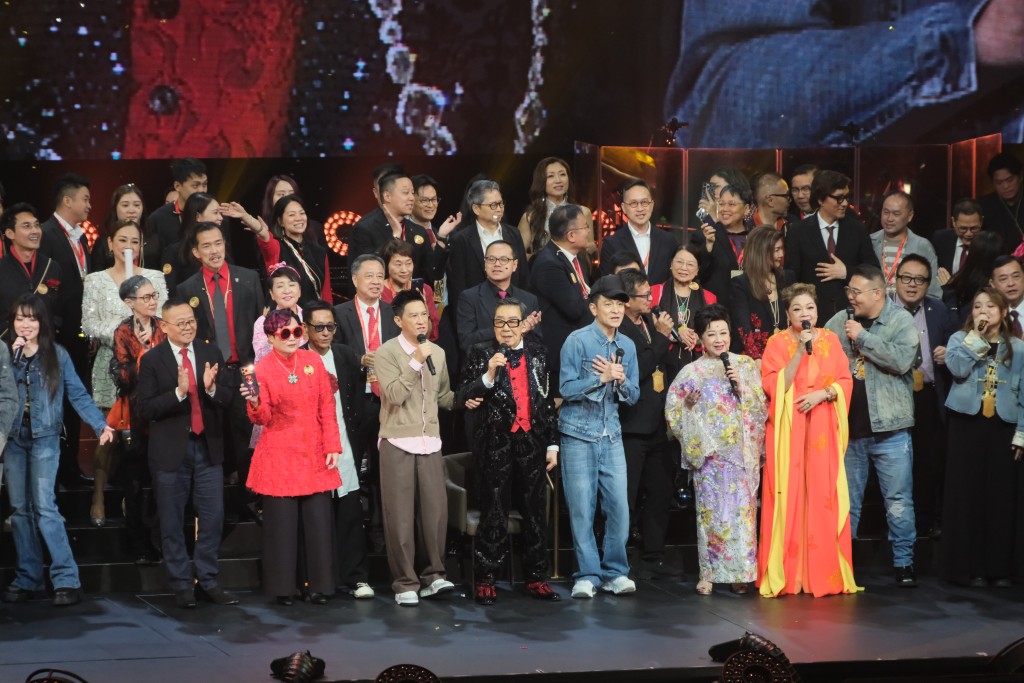
Bowie Woo, 94, sets Guinness World Record at star-studded concert
08-06-2026 18:03 HKT

Nine days of rain ahead as temperatures dip, Observatory says
09-06-2026 17:35 HKT
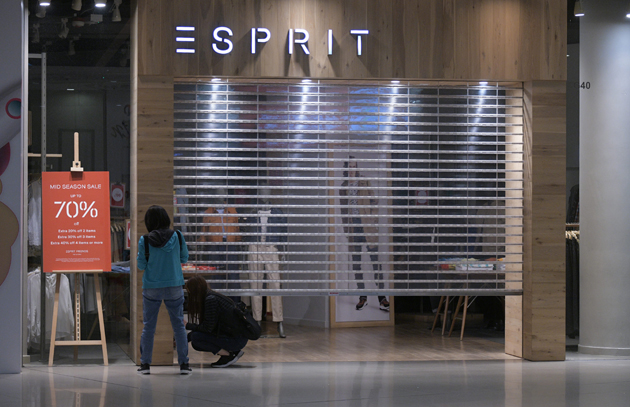
The recent investment of Karen Lo Ki-yan and her intention to change the management have raised market eyebrows towards the once blue-chip Esprit (0330) despite a gloomy retail environment. While that may bring new hope to the retailer, analysts warn of challenges ahead.
Shares of the once big-time retailer surged as much as 1.16 times to HK$1.82 earlier this month on major shareholder Lo's plan to replace its management and board members. The stock closed at HK$1.12 last Friday.
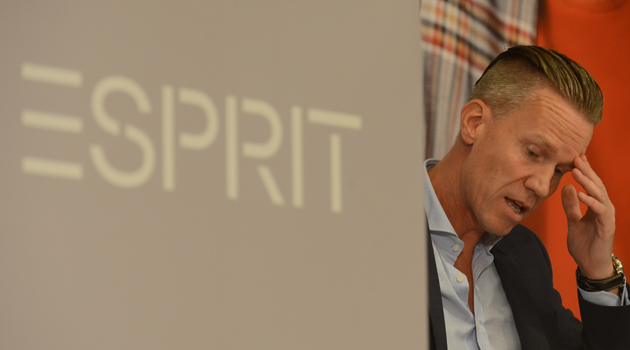
The boardroom battle seems to settle down after Lo withdrew her plans to remove chief executive Anders Christian Kristiansen and chief financial officer Johannes Georg Schmidt-Schultes, who joined in 2018 and 2019 respectively.
Lo, an heiress of Vitasoy International (0345) and the wife of veteran investor Eugene Chuang Yue-chien has continued to add stakes seven times to 23.24 percent so far this month, spending HK$205.51 million.
She became a substantial shareholder when she disclosed a 12.89 percent stake at the start of July, surpassing that of former chairman Michael Ying Lee-yuen.
Lo has been active last year in the stock market, acquiring the controlling interest of Planetree International Development (0613) at a cost of HK$0.175 per share, shares of which closed at HK$1.35 on Friday. She also added a 4.67 percent stake of Shengjing Bank (2066) at around HK$6.8 per share.
The market speculates that Lo and her husband Chuang could buy the embattled company as a shell for a reverse takeover. Chuang is well-known to local investors for trading small-cap stocks.
Discussions arose on whether the company would be taken over due to its loose shareholding structure and management style, as the well-paid senior executives are not the major owners, unlike many Hong Kong and mainland companies.
Kristiansen, who had led British fast-fashion chain New Look, was entitled to an annual payment of 1.4 million euros (HK$12.57 million) with a bonus opportunity of the same amount. Schmidt-Schultes was paid an annual salary of 600,000 euros with a bonus opportunity of 300,000 euros, half of which was guaranteed.
Despite paring its loss by 16 percent, Esprit reported a HK$2.14 billion net loss for the year ended June 2019.
Lo gave up removing them after Esprit appointed lawyers Marc Andreas Tschirner, Christin Chiu Su-yi, and financier Wong Hung-wai, as executive directors. All of them gave up their remuneration as an executive director of the company, said Esprit. In addition, the company announced last night that Martin Weckwerth has resigned as an independent non-executive director, chairman of the remuneration committee and a member of the audit committee with effect from last Friday.
If her husband is not involved in the move, Lo invested in Esprit maybe because she thinks the brand is valuable but the management has not performed well, and she may want to inject new mindset to the board, says Kenny Wen Kit, wealth management strategist of Everbright Sun Hung Kai.
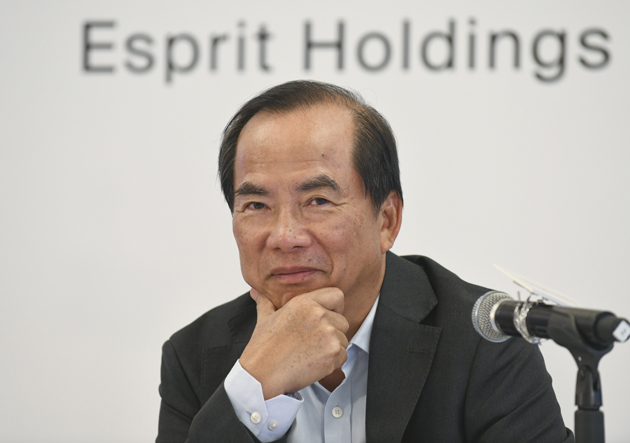
Also, Raymond Or Ching-fai, the former executive chairman, announced to became a non-executive chairman just two weeks before Lo's plan to remove the management team.
The former HSBC banker was named as an independent non-executive chairman of the board in 2012, and became an executive chairman in 2018. He was entitled to remuneration and bonus of HK$15.5 million.
Esprit announced an HK$18 billion reform plan in 2011 after profits dropped by 98 percent, which was soon replaced by a vertical retail model introduced by former chief executive Jose Manuel Martinez Gutierrez, who joined from Zara and was succeeded by Kristiansen.
The company is now half-way through a five-year plan, including the opening of 220 stores in China by 2023.
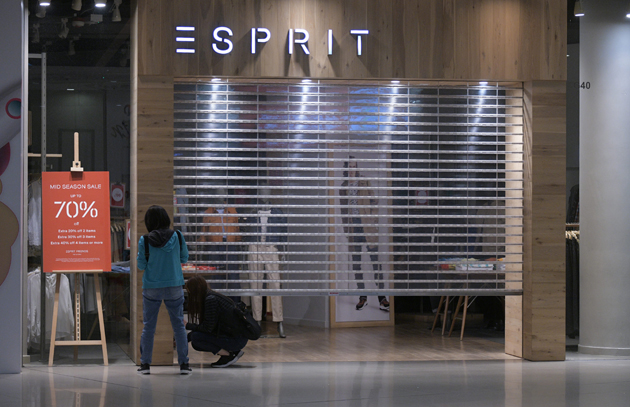
But earlier this year, it announced to close 56 stores in Asia and gradually exit the markets, leaving only stores in Europe. It will also layoff 1,200 staff after making a profit warning.
Lo may want to "make the dead come back" as Esprit has been reformed for many years but still get nowhere, says Wen. He treats recent acts just as an equity investment by Lo.
Dickie Wong Tak-kei, executive director of research at Kingston Securities, says Esprit is still not cheap, compared with the "could-be-shell" companies listed on the main board.
Esprit, once traded above HK$130 apiece, have lost over 99 percent of a peak HK$171 billion market capitalization in 2007. But it still has a net asset value of HK$3 per share.
Market watchers are also guessing if Lo or other shareholders of Esprit would sell some parts of its business to unlock more value. Wong says a 20 percent stake is still not significant enough to make such an offer.
It is challenging for Lo to improve Esprit's business especially due to the coronavirus pandemic which has devastated retail, Wen emphasizes, suggesting a "wait-and-see" strategy to investors in the long term.
The once-thriving fashion house reported record revenue of HK$37.2 billion in 2008. From then on, it goes downhill, under pressure from a new wave of European fast-fashion chains including Zara and H&M. It was also the time when founder Michael Ying fully backed out of the company.
The stock was excluded from the Hong Kong blue chips in 2013 following a HK$4.4 billion net loss, which was gradually narrowed in rounds of repositioning and closures.
Esprit recorded a total net loss of HK$12.82 billion in 2013, 2015, 2018, and 2019 financial years.