Hong Kong’s plan to relax the process for converting hotels and commercial buildings into dormitories is a step toward addressing the pressing shortage of student accommodation. However, such a strategy must balance the city’s efforts to enhance its appeal as a global education hub with the growing demands of its tourism industry, particularly from mid- and long-haul visitors.
Housing crunch for students
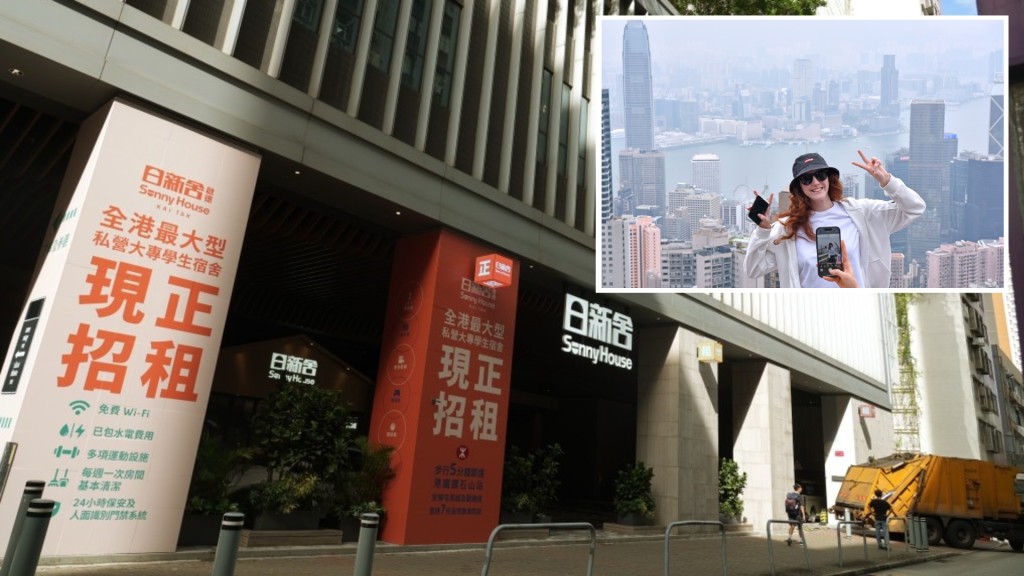
The shortage of student housing in Hong Kong is critical. Currently, 3.4 students compete for every available bed space, and the problem is set to worsen. With geopolitical uncertainties impacting the appeal of studying in the United States and the improving reputation of Hong Kong’s universities, the demand for student housing has surged. Students rent homes as early as in May although academic term only commences in September. The government recently raised the cap on non-local student enrolment from 20 percent to 40 percent, creating a need for an additional 15,700 hostel places. Even with planned expansions, projections indicate a shortage of 55,400 bed spaces by 2027.
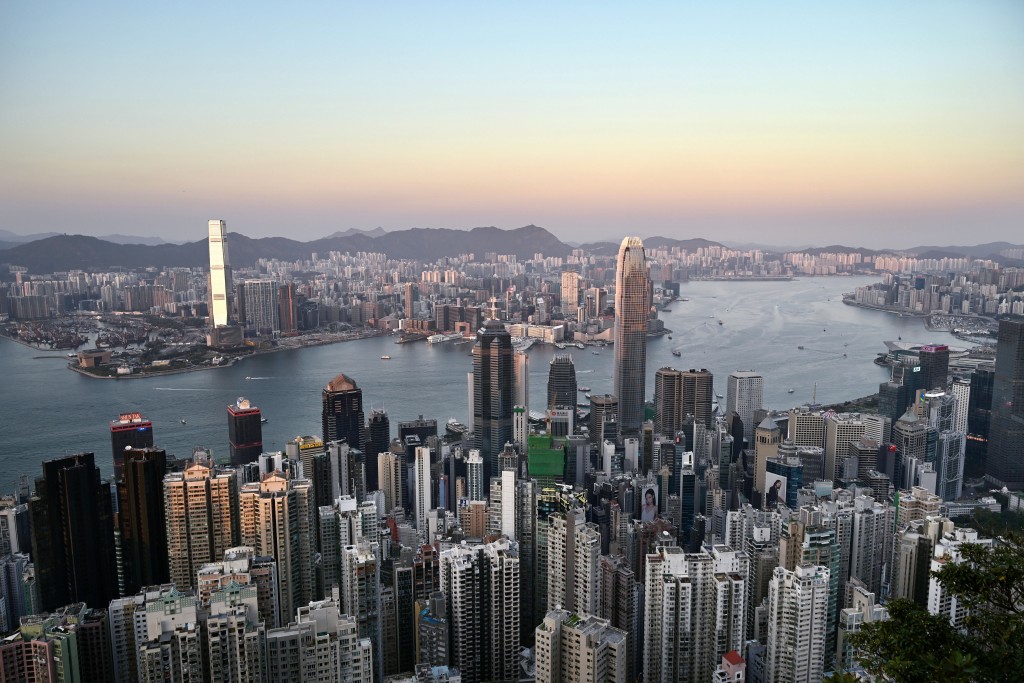
Converting under-used hotels to dorms seems like an efficient solution in the face of such staggering figures. However, this strategy may overlook the broader implications for Hong Kong’s tourism sector. The city’s 90,000 hotel rooms currently maintain an occupancy rate of 80-90 percent. Tourists, particularly mainlanders are now opting for shorter stays or even day trips. Yet, it would be shortsighted to assume this trend will persist, especially as Hong Kong looks to attract long-haul visitors.
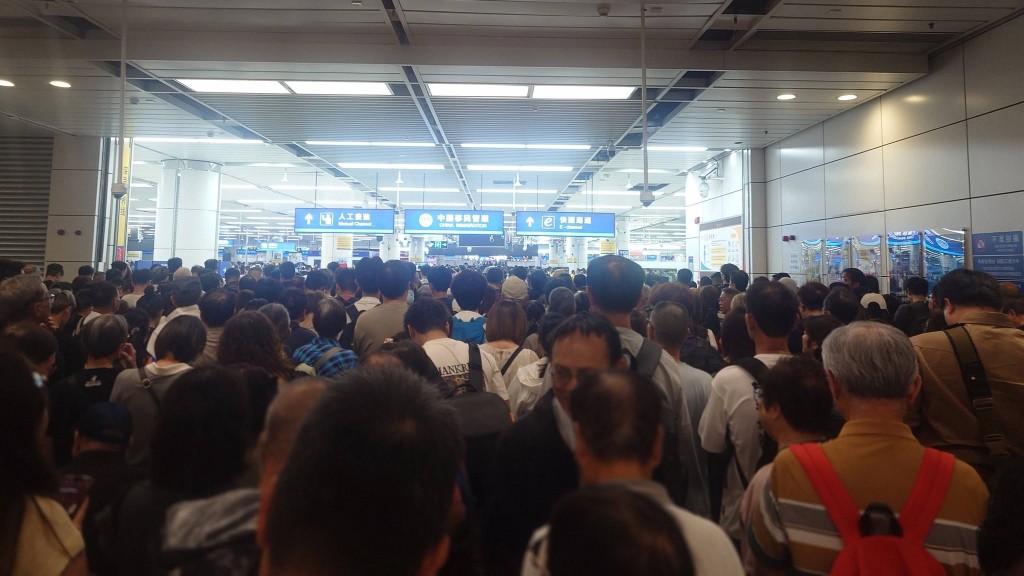
The Individual Visit Scheme, which allows mainlanders from 59 Chinese cities, including distant locations like Dalian, Harbin, and Urumqi, to travel to Hong Kong, underscores the need for sufficient hotel capacity. Many of these visitors prefer to spend at least one night in Hong Kong although the Greater Bay Area offers accommodation alternatives. The situation is even more pronounced for overseas visitors, who cannot easily cross the border to Shenzhen.
Visitors from overseas are growing
Notably, visitor trends are shifting. In the first five months of this year, non-mainland visitors grew by an impressive 18 percent year-on-year to around 5 million, outpacing the 10 percent growth of mainland tourists to 15.2 million. Visitors from Australia surged by over 35 percent, while arrivals from Taiwan, Japan, South Korea, Indonesia, and the Philippines increased by 25 percent. These figures suggest that Hong Kong’s appeal to international tourists is recovering strongly.
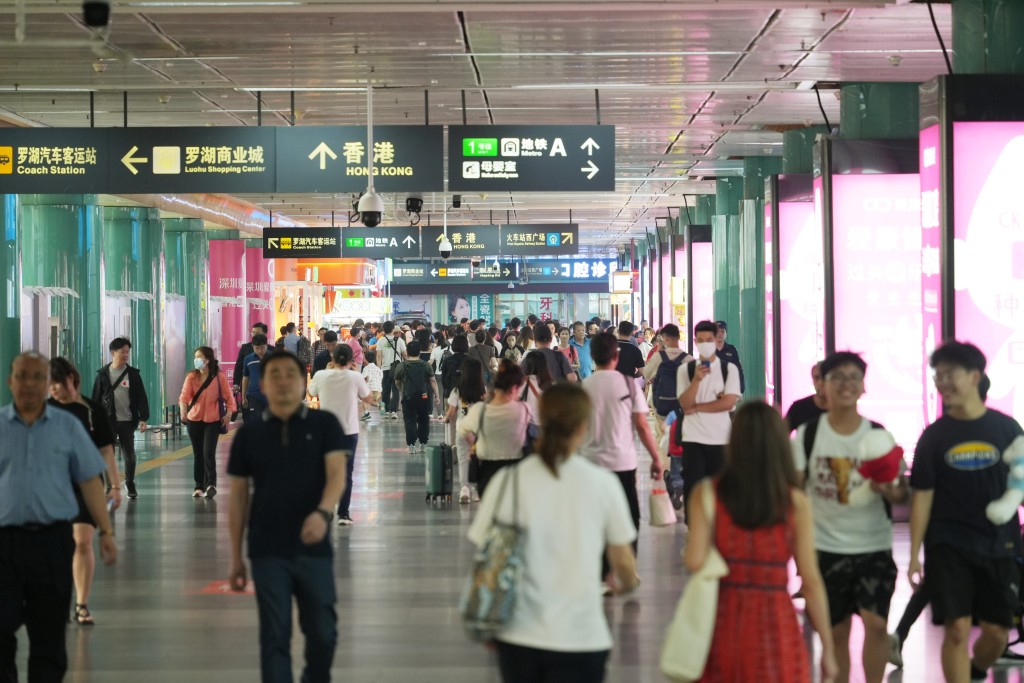
It is also worth noting that some mainland students have already turned to Shenzhen for cheaper housing options, commuting daily to Hong Kong for classes. This cross-border arrangement reflects the complexities of the housing issue and highlights the need for a more holistic approach.
Rather than focusing solely on hotel and commercial building conversions, the government should consider partnering with Shenzhen to expand affordable housing options for students in the Greater Bay Area.
Hong Kong’s dual goals of becoming a global education hub and a world-class tourist destination are not mutually exclusive, but they require careful planning. A short-term focus on repurposing hotels may alleviate the student housing crisis temporarily but risks undermining the city’s ability to accommodate a growing number of visitors, especially as tourism rebounds.
A more comprehensive strategy that integrates student housing, tourism infrastructure and cross-border collaboration with Shenzhen is vital for Hong Kong to thrive in both sectors.