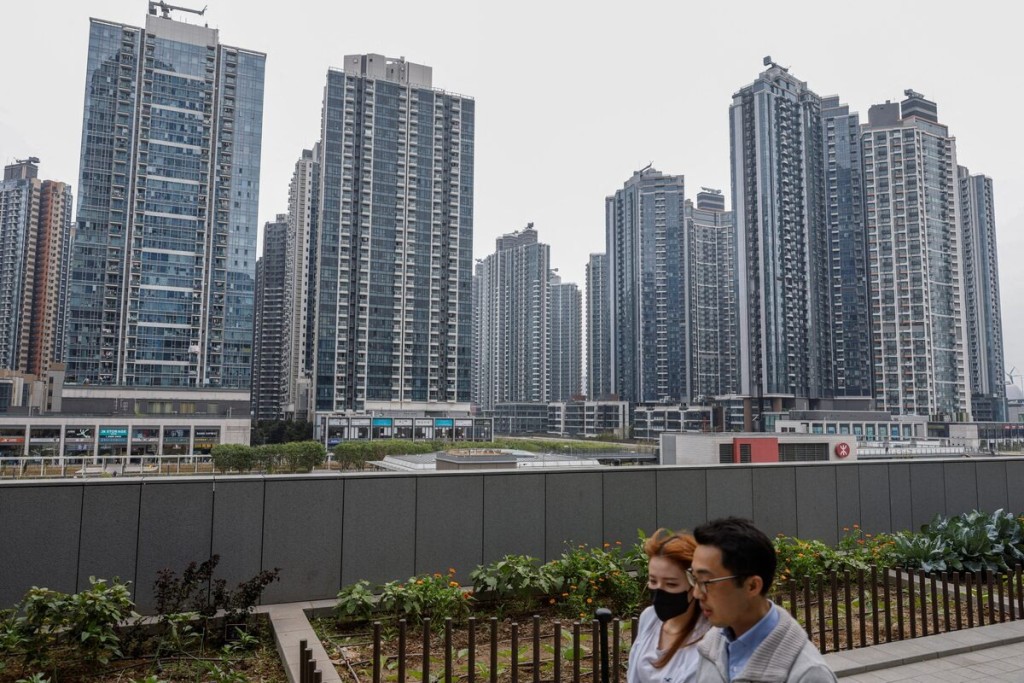
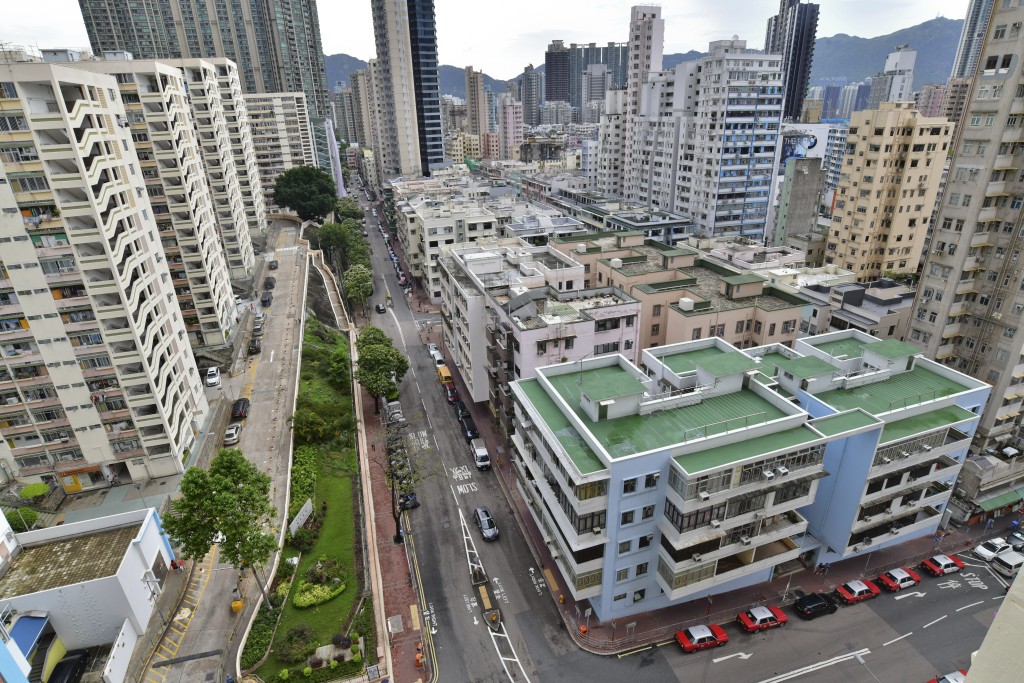
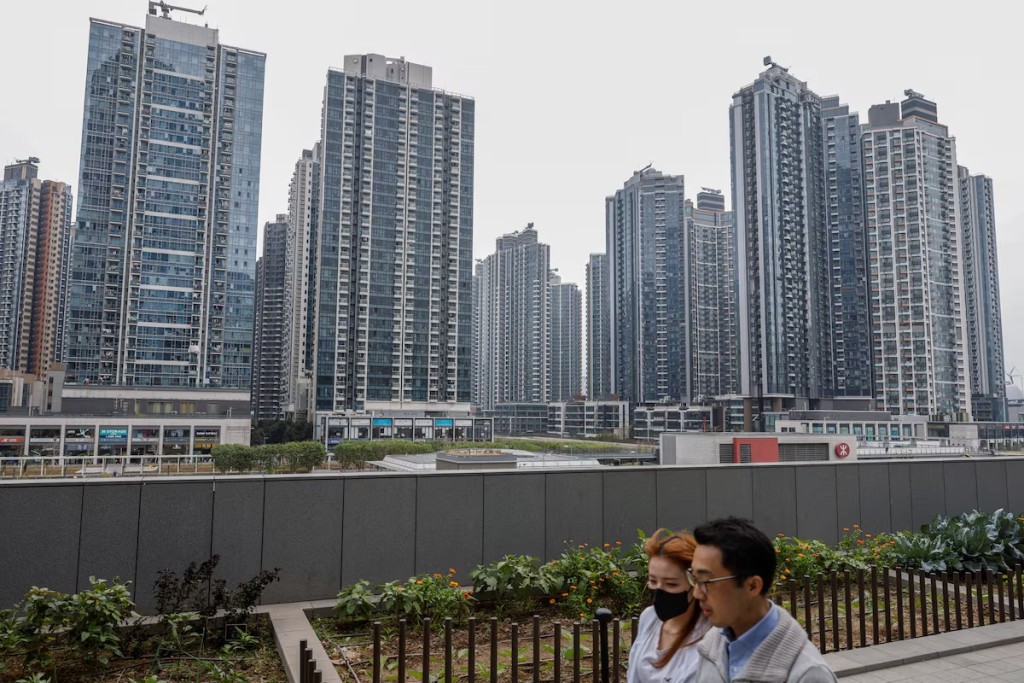
Amid growing excitement over the potential influx of students and academics from American universities like Harvard, largely due to uncertainties around the US education system, one critical issue remains under-discussed in Hong Kong: student housing. Without proper planning to address the chronic housing shortage, Hong Kong risks losing the opportunity to attract top talent and future leaders.
As someone who has studied in London – another city infamous for high housing costs – this author understands the stress faced by international students.
After securing a university place, the next concern is finding accommodation. This is particularly challenging in Hong Kong, where the housing shortage is well-documented.
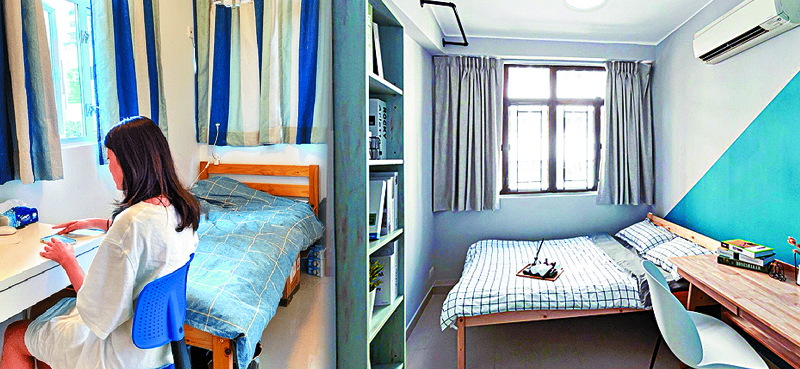
University hostel places in Hong Kong are in severe short supply. On average, 3.4 students compete for just one bed space, creating significant pressure for both local and international students.
The government has plans to increase student housing to 50,000 places in the coming years, but even this ambitious goal falls short of demand. With the cap on non-local student enrollment raised from 20 percent to 40 percent, an additional 15,700 hostel places will be needed.
55,400-bed shortfall by 2027
Cushman & Wakefield estimated that the shortfall of hostel spaces for non-local students in the 2023/24 academic year exceeded 47,600. Even with planned expansions, a projected shortage of 55,400 bed spaces looms by 2027.
This shortage disproportionately affects international students, who lack the local networks that many mainlanders rely on.
Platforms like Red Note allow mainlanders to share tips for securing housing in Hong Kong well before arrival. However, international students, unfamiliar with the city’s rental market, often face far greater challenges.
Repurposing unsold homes
While some hotels were converted into student hostels during the pandemic when tourism was slow, the recovery of the tourism sector means this is no longer a viable solution. The government and universities must urgently explore both short- and long-term measures to address the housing crisis.
One potential remedy is to repurpose some of Hong Kong’s vast supply of unsold new homes. As of March 2025, the number of completed but unsold units had reached a record high of 28,000.
Developer Henderson Land Development has rented new units to students as a temporary solution. While this may not significantly stimulate the broader real estate market, it could help address the housing needs of students, particularly in areas such as the East Rail Line, where many universities are located.
Long-term solutions include accelerating the development of the planned 80-hectare university town in the Northern Metropolis. However, this project, with site formation only expected to be completed between 2026 and 2029, will take years to materialize.
In the meantime, the government must work with developers, universities, and other stakeholders to ensure that accommodation for students and talent is prioritized.
While Singapore is looking at ‘worst-case scenario’ solutions for its students currently studying in America, nothing similar has been heard from the Hong Kong administration.
Hong Kong has a chance to position itself as an education hub amid the uncertainties in America. But the city must first ensure that students and academics can find affordable, accessible and quality housing. Without this, even world-class universities and promising career opportunities will fail to attract the brightest minds.