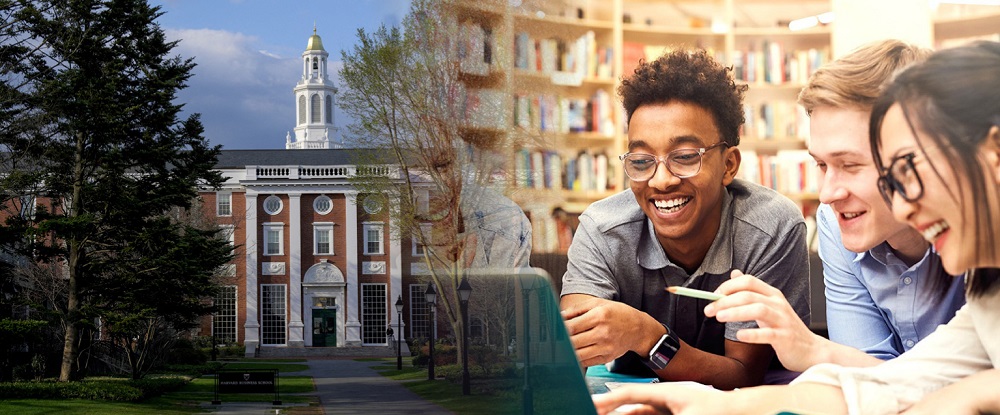
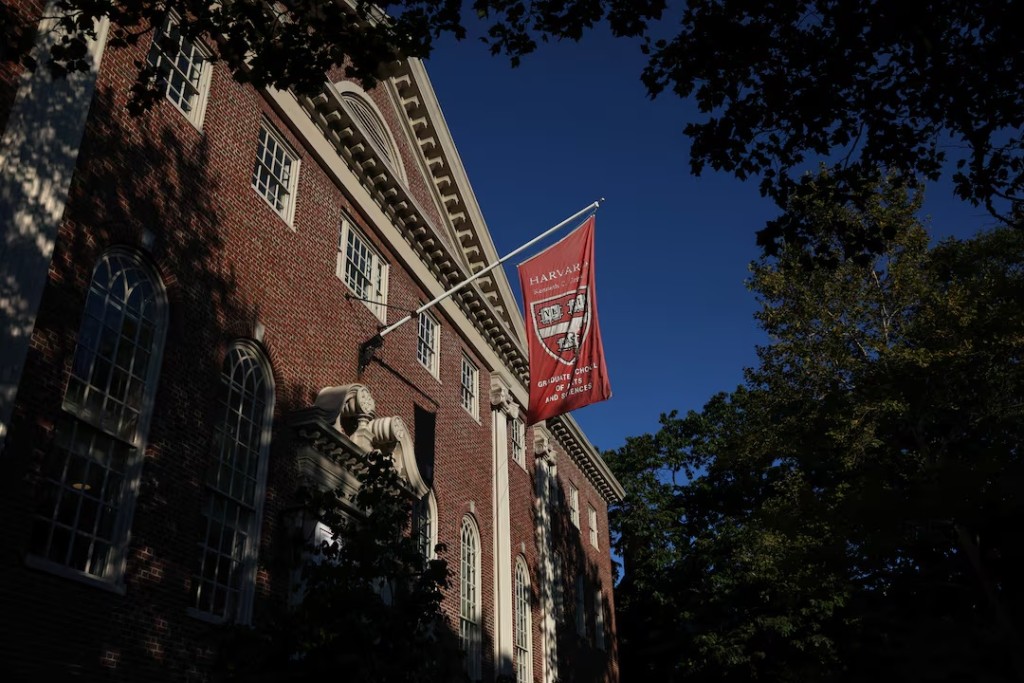
The possibility of Hong Kong receiving academic “refugees” from Harvard or other prestigious US universities offers an exciting opportunity to elevate the city’s global academic standing.
However, while the city has made strides in certain areas of education and research, the limited scope of subjects offered reflects a need for diversification to address global trends, industry needs and strategic opportunities.
Hong Kong’s lack of focus on pure sciences is one of its most glaring limitations. With the world increasingly concerned about food security, agricultural innovation has taken center stage in global research.
Yet, Hong Kong has little to offer in this area, largely because the city has very little agriculture. However, this should not excuse the absence of research into food security and sustainable farming techniques, fields that are crucial to addressing global food shortages.
Space exploration and research
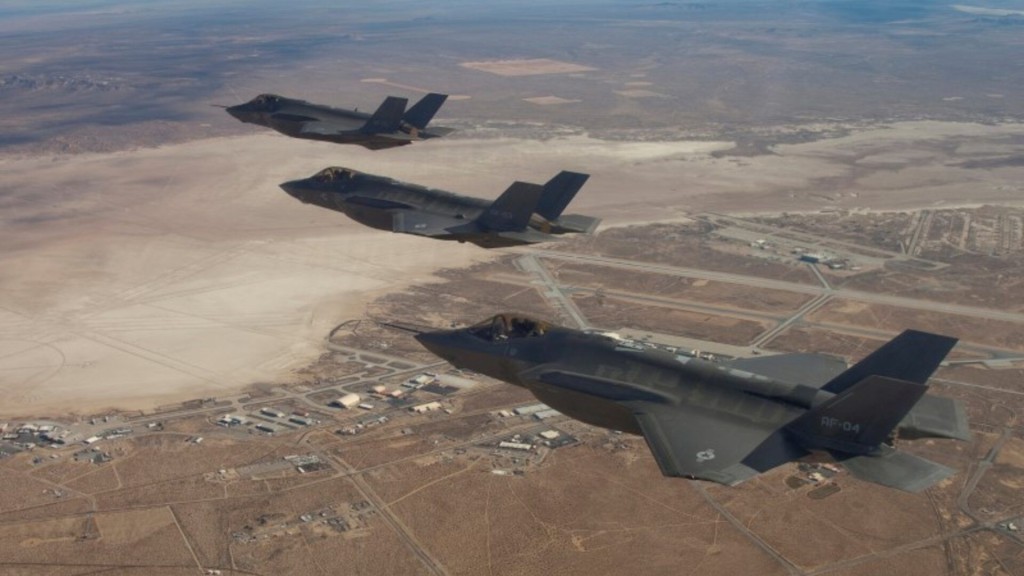
Similarly, while Hong Kong has made progress in aviation studies, it has neglected the burgeoning field of space exploration. Given the rise of private and national space programs worldwide, space research represents a critical frontier for innovation.
Hong Kong Polytechnic University, which once developed a specialized pliers for space missions based on dental tools, is a testament to the city’s potential in this area. Expanding space-related research could attract top-tier talent in science and engineering.
In business education, Hong Kong has traditionally focused on finance, trade, and logistics, reflecting its role as an international financial center. However, the city lags in studies related to manufacturing and heavy industries. While advances have been made in automation, artificial intelligence and 3D printing, it is pivotal to integrate manufacturing studies into the business curriculum to better prepare students for emerging industries and attract talent in this rapidly evolving field.
The art of diplomacy and warfare
As an international city that’s home to global organizations such as the International Organization for Mediation, Hong Kong has a unique position on the world stage. Yet, there are no programs in diplomatic and military studies. Although they are under the purview of Beijing, these fields are essential for understanding global power dynamics and fostering international cooperation. Diplomatic studies, in particular, could complement the city’s efforts to attract international organizations and strengthen its global influence.
Hong Kong’s recent focus on deepening ties with the Middle East highlights the need for a better understanding of Islamic culture and history.
Despite this, Islamic studies remain conspicuously absent from the city’s academic offerings. Such courses would not only support Hong Kong’s business aspirations but also foster cultural ties.
Our academic institutions must evolve and diversify their offerings to position Hong Kong as a global leader in education and innovation.
As Harvard and other scholars flee the United States, there’s a chance for Hong Kong to inject world-class talent into its universities, but this talent must be met with a thriving academic ecosystem that supports their work.
By investing in a broader range of disciplines, Hong Kong would not only enhance its academic reputation but also equip itself to tackle the challenges and opportunities of tomorrow.